Experience — Birdwatching
On the edge of Amistad National Park, the cloud forest holds some of the most sought-after birds in Central America — quiet, patient, and best met at first light.
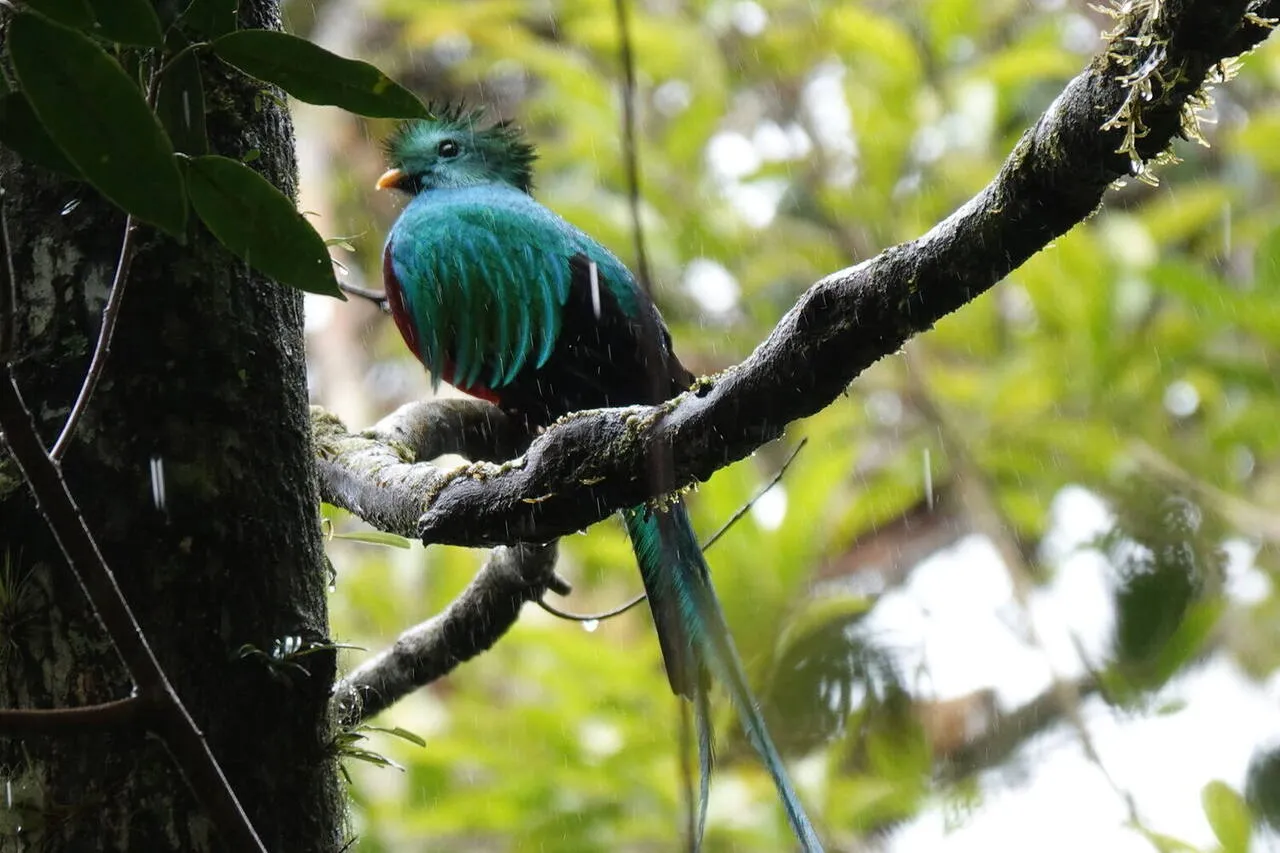
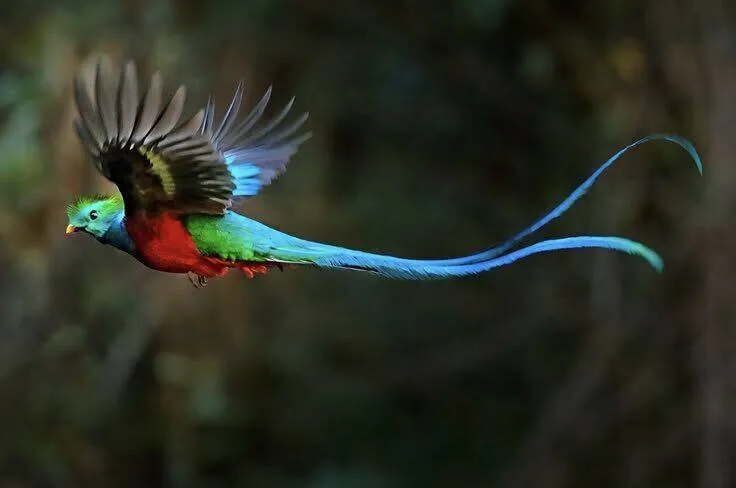
Panama's most legendary bird, and the reason many travelers first look toward the highlands. Males trail iridescent green tail feathers nearly three feet long, moving quietly through the canopy in search of wild avocados — almost the only fruit they rely on. Dawn and dusk, in the quiet stretches near the tree line, are when they're most often seen.
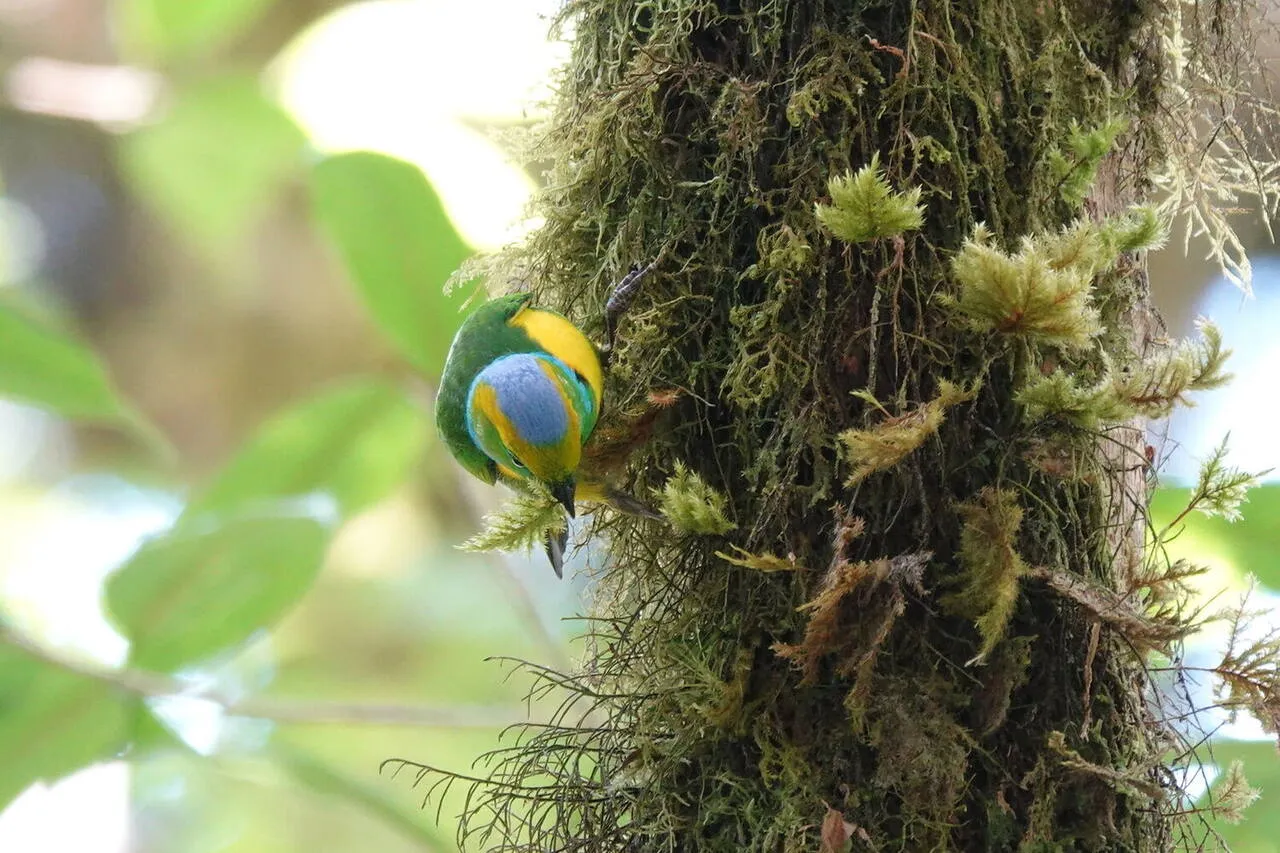
A small, almost impossibly colored bird — moss green, gold, and sky blue — moving through the mossy understory in search of mistletoe berries and small fruit. Easier to hear than to see: a soft, whistled call from deep in the cover.
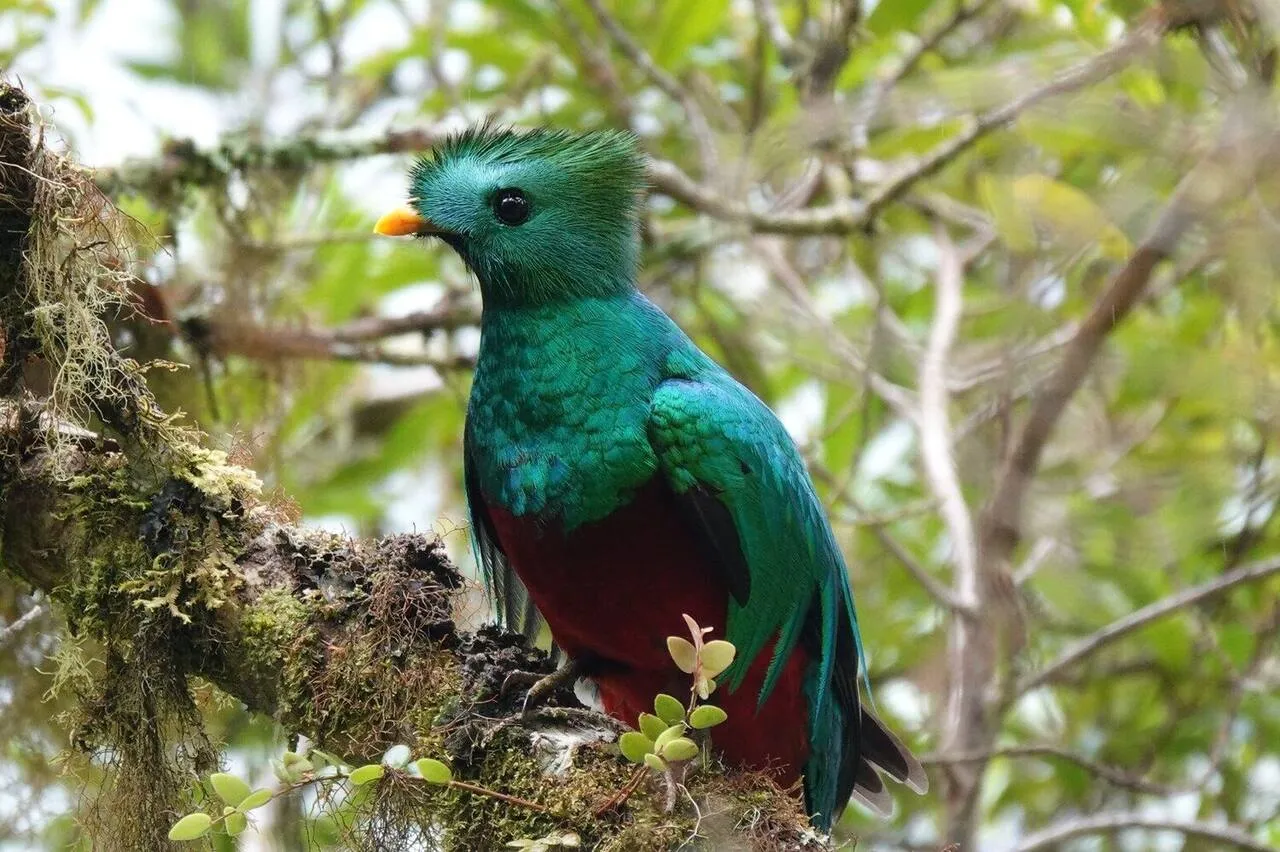
Perched still, the male's iridescent green crest and crimson breast catch the light — the farm's most legendary resident, seen here at rest rather than in flight.
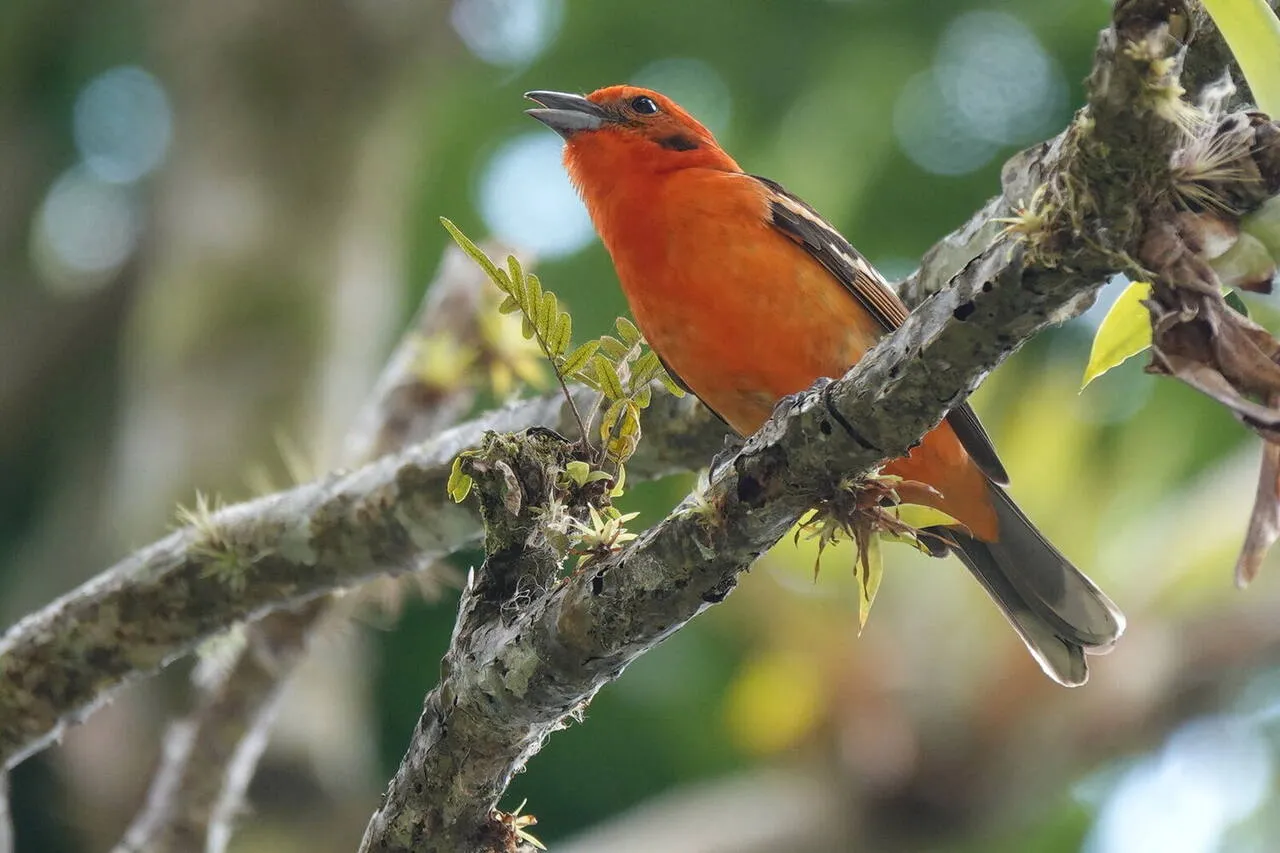
Males wear a solid blaze of orange-red with black-and-white wings; females are a softer ochre. Forages in pairs, often mixing into passing flocks.
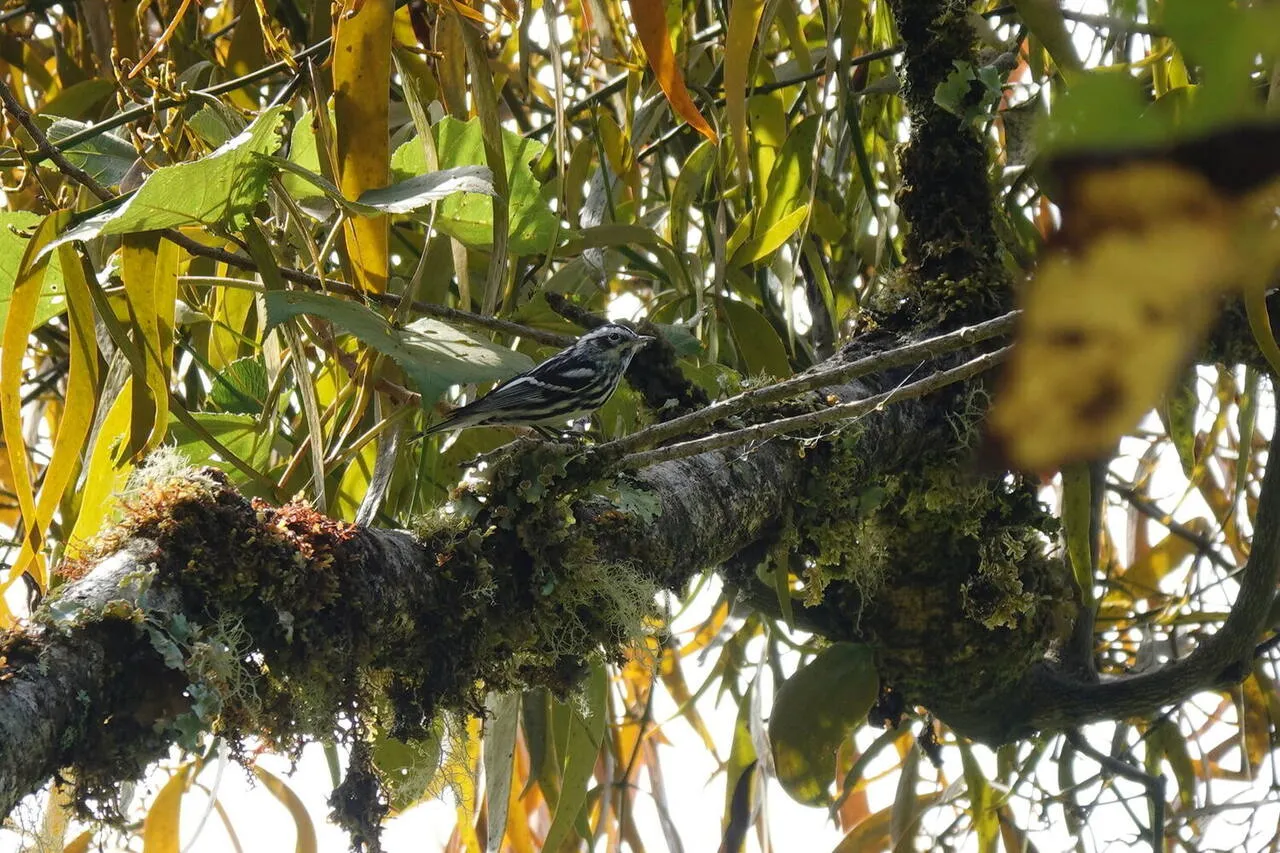
A long-distance migrant from North America, spending its winters creeping along trunks and branches like a nuthatch, probing bark for insects.
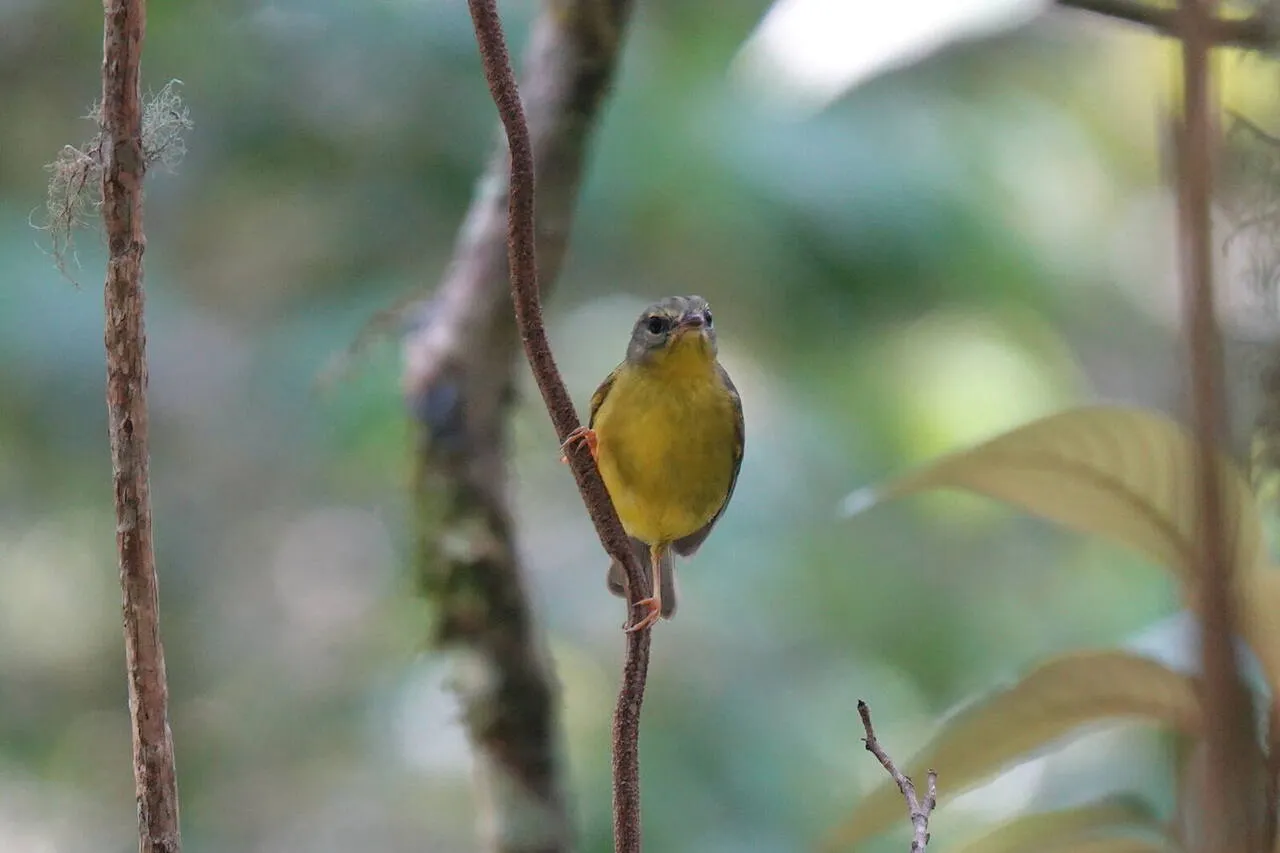
A quiet, olive-and-yellow warbler of the understory, more often heard than seen as it gleans insects from low foliage.
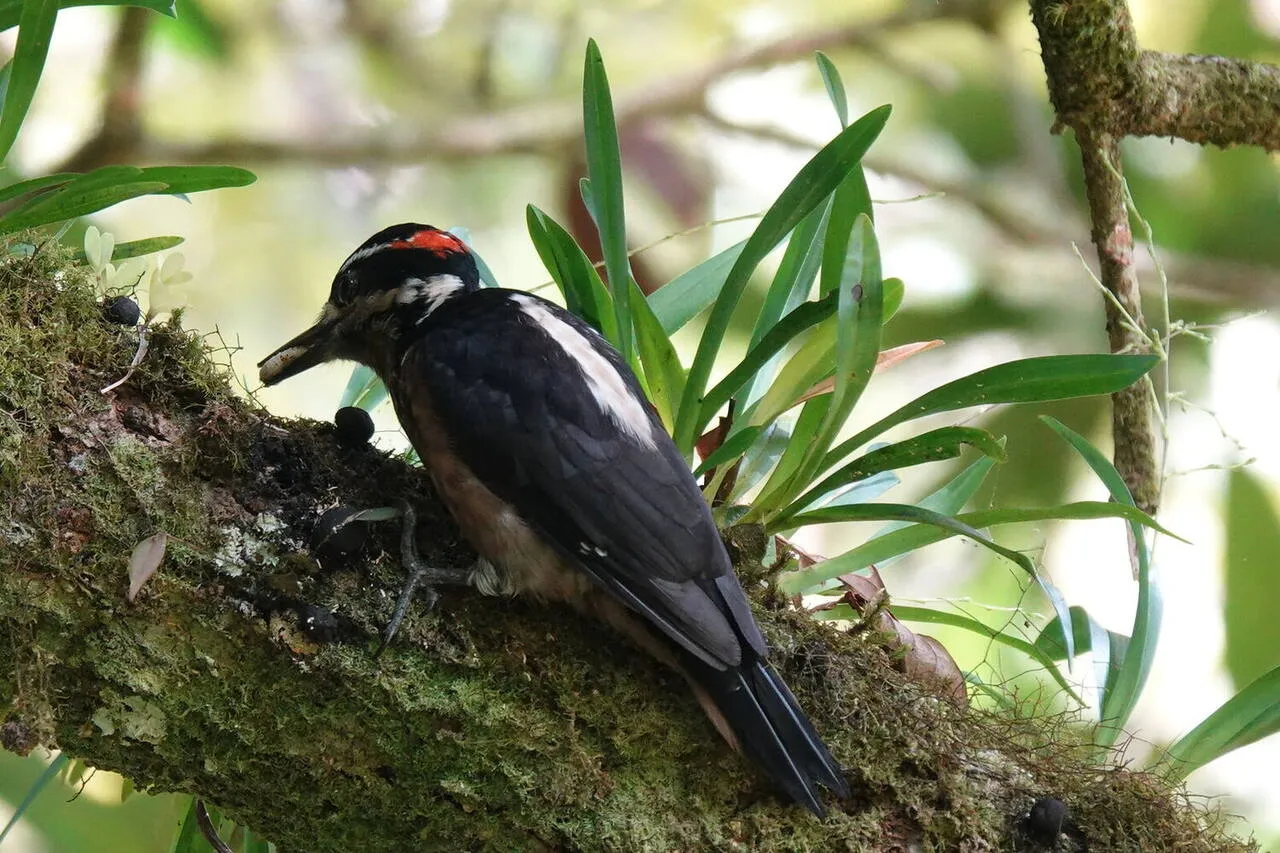
Drums on dead wood at all hours, chiseling out insects with a bill built for the job — look for the flash of white down its back.
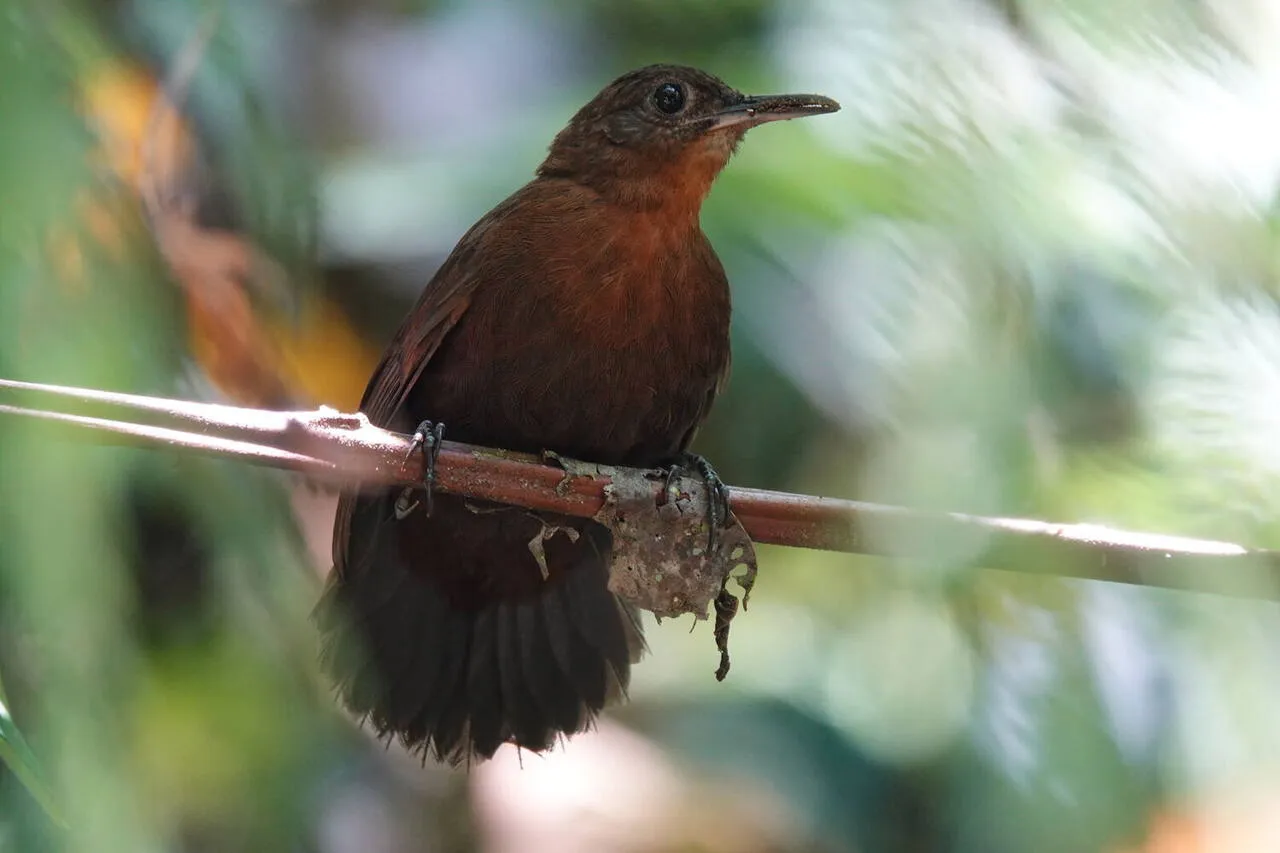
A ground-dwelling forest bird that lives up to its name, flinging leaf litter aside with quick sideways kicks to uncover insects underneath.
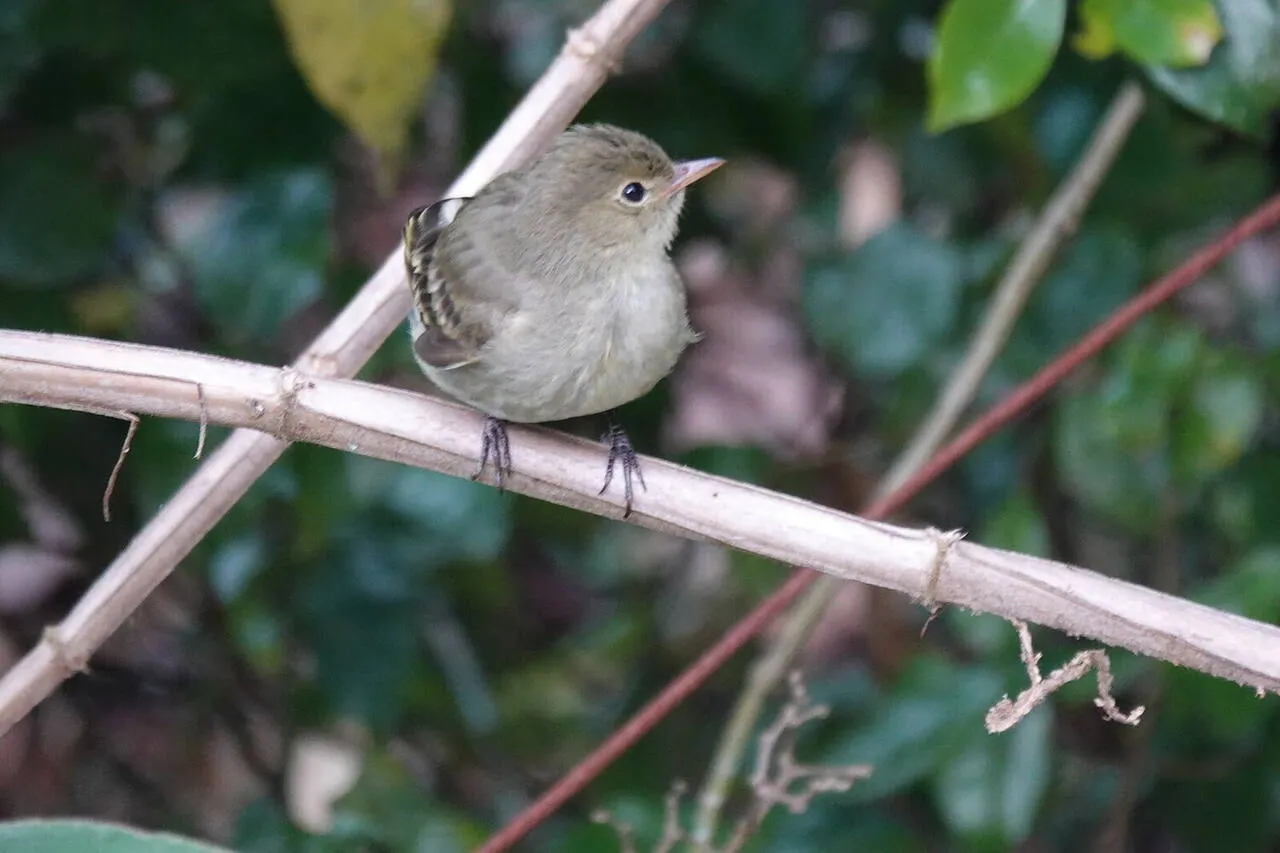
A modest highland flycatcher, easiest to notice by its scratchy, upslurred call from the mid-story.
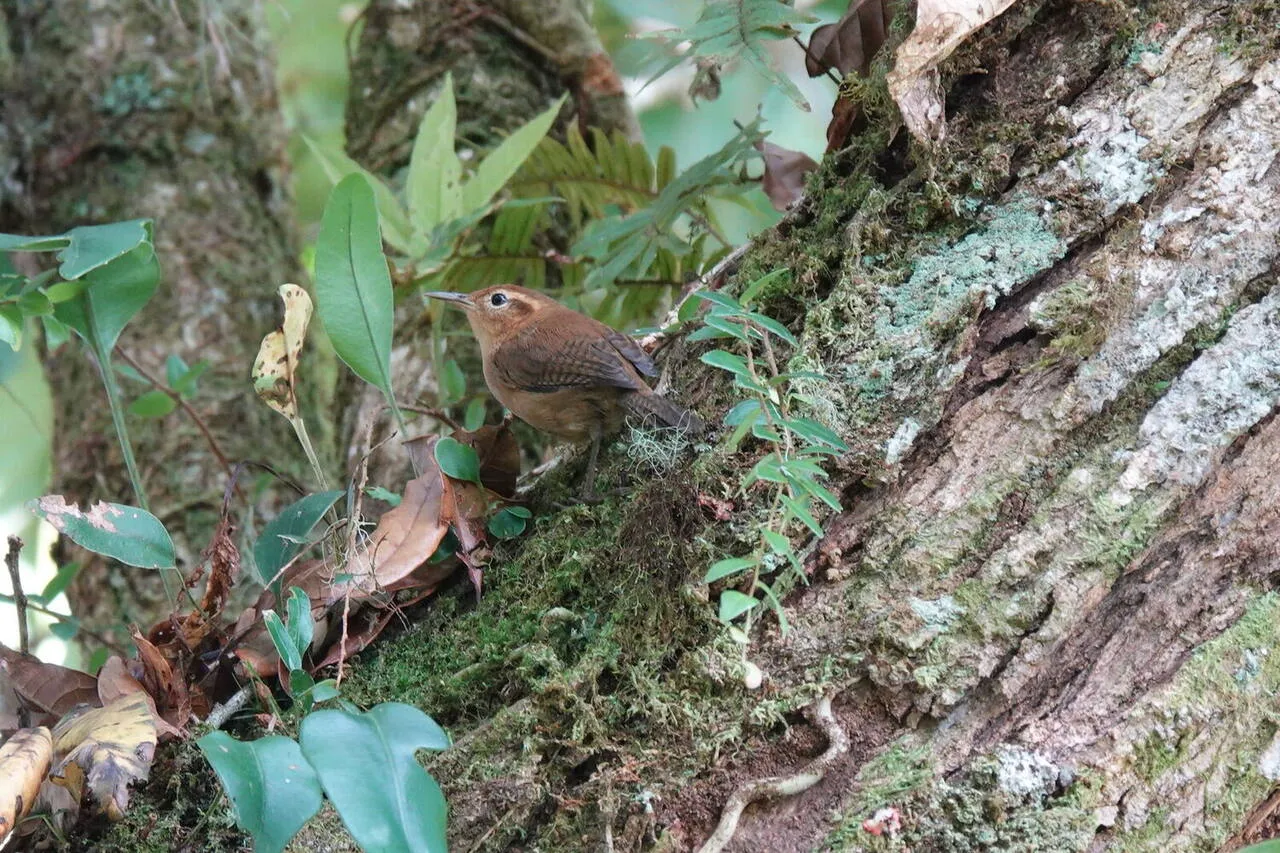
A cinnamon-coloured wren of mossy branches, often working alone through epiphyte-laden limbs, tail cocked.
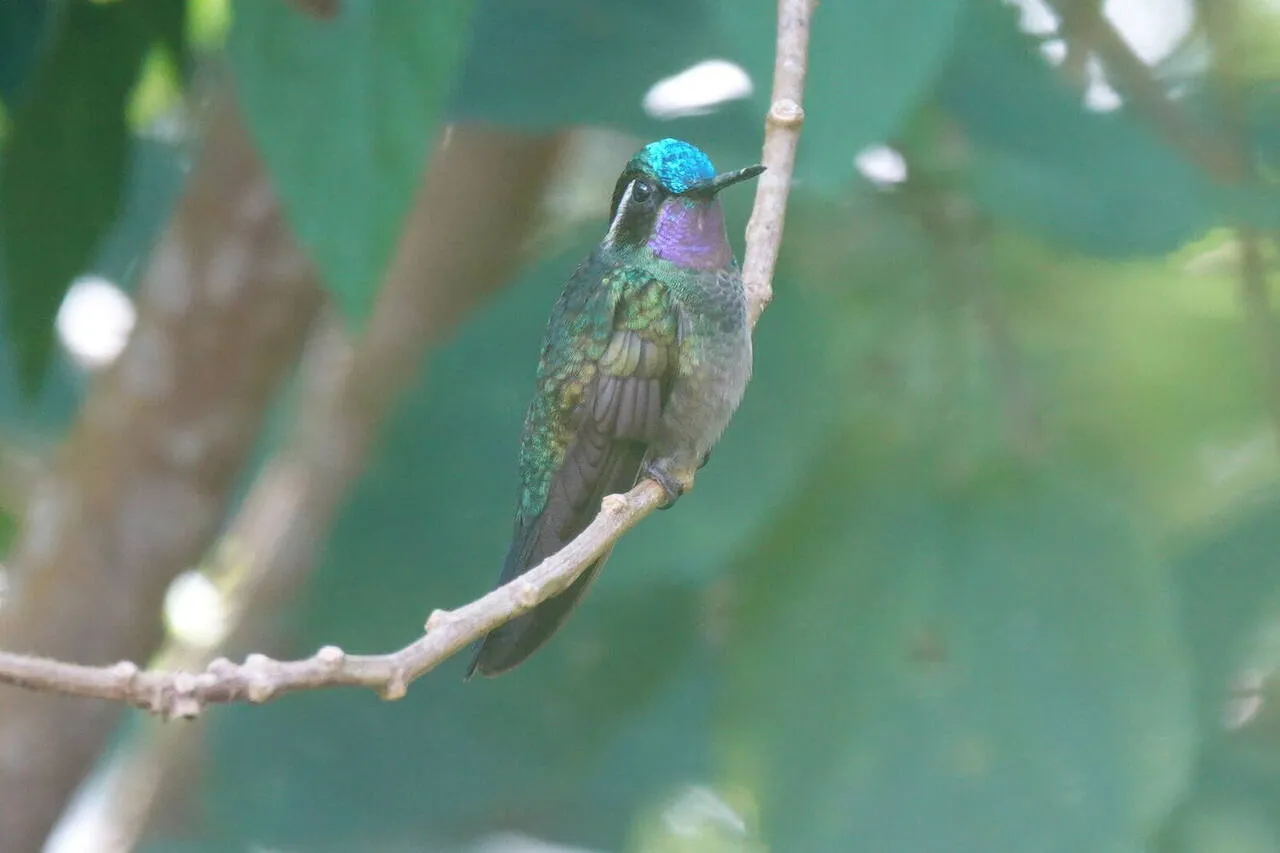
One of the farm's signature hummingbirds — males flash an iridescent violet throat and turquoise crown when the light catches just right.
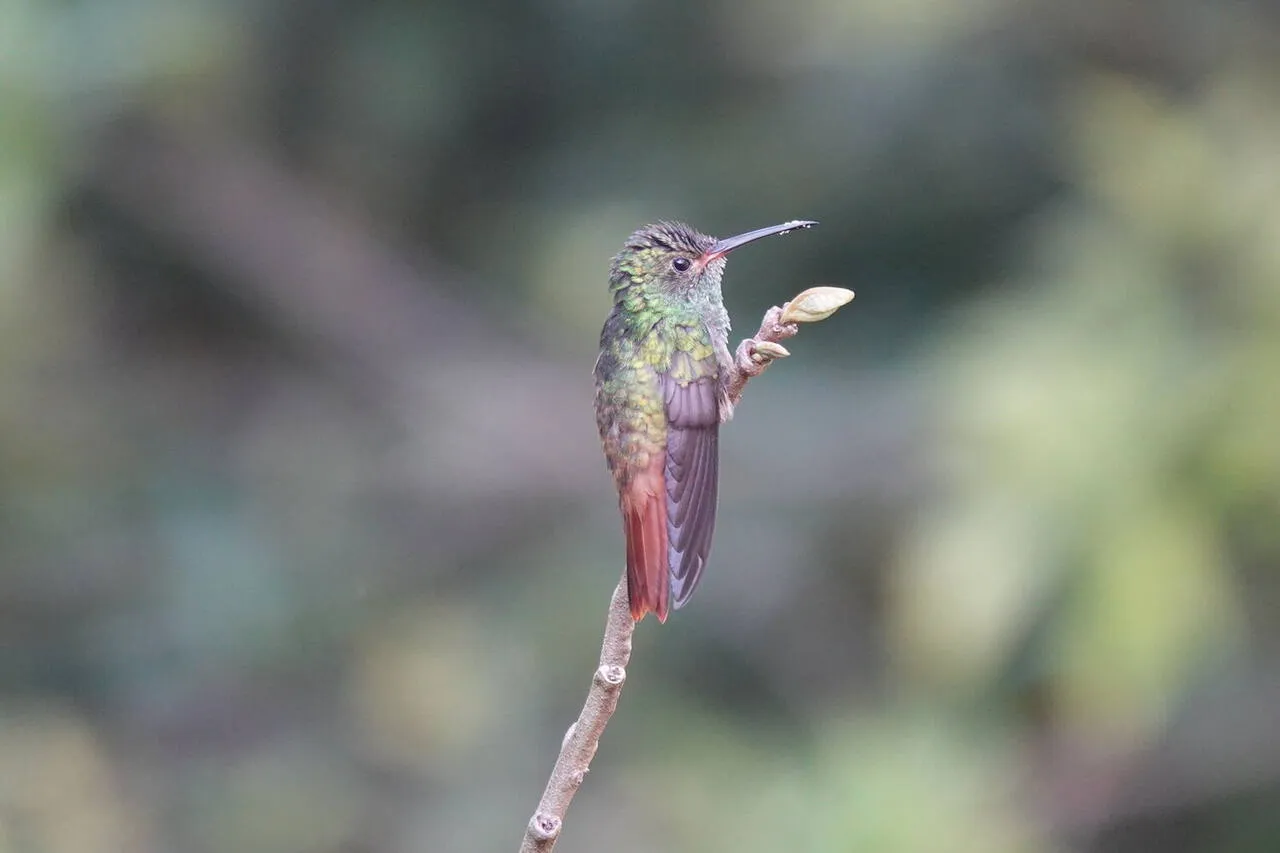
Common and pugnacious, this hummingbird defends flowering shrubs with real determination, chasing off rivals many times its size.
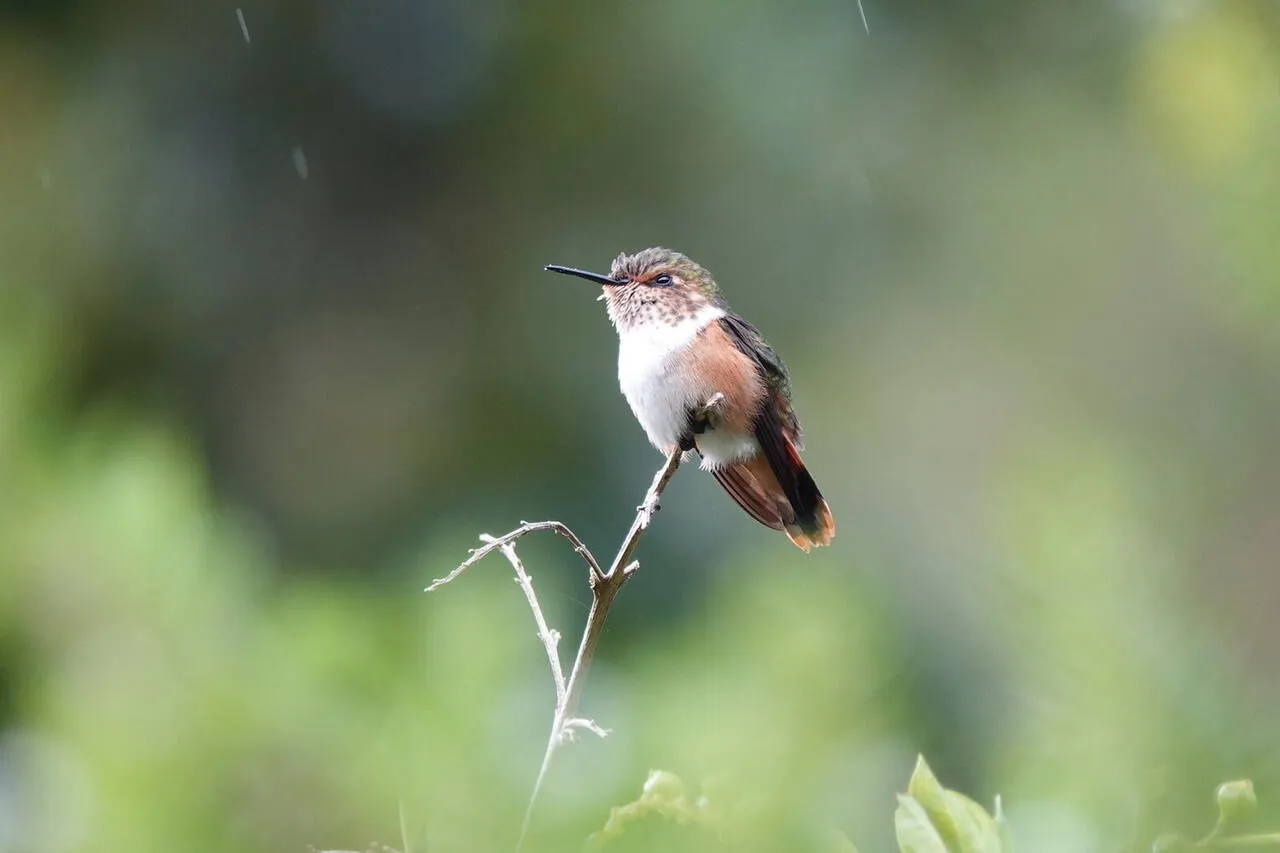
One of the smallest birds on Earth, barely bigger than a bumblebee, favoring open, flowery edges over deep forest.
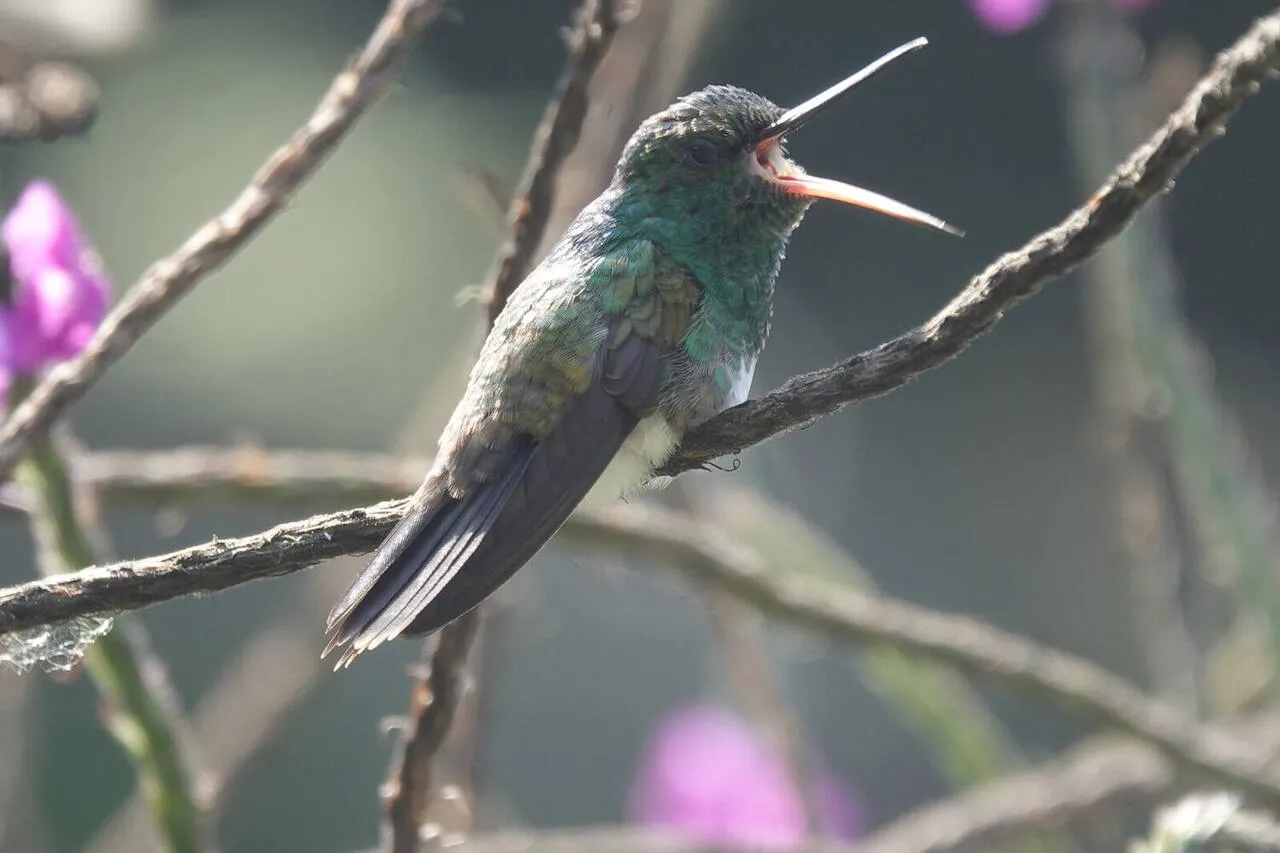
A highland specialty with a clean white belly against iridescent green — a regular at the farm's flowering hedges.
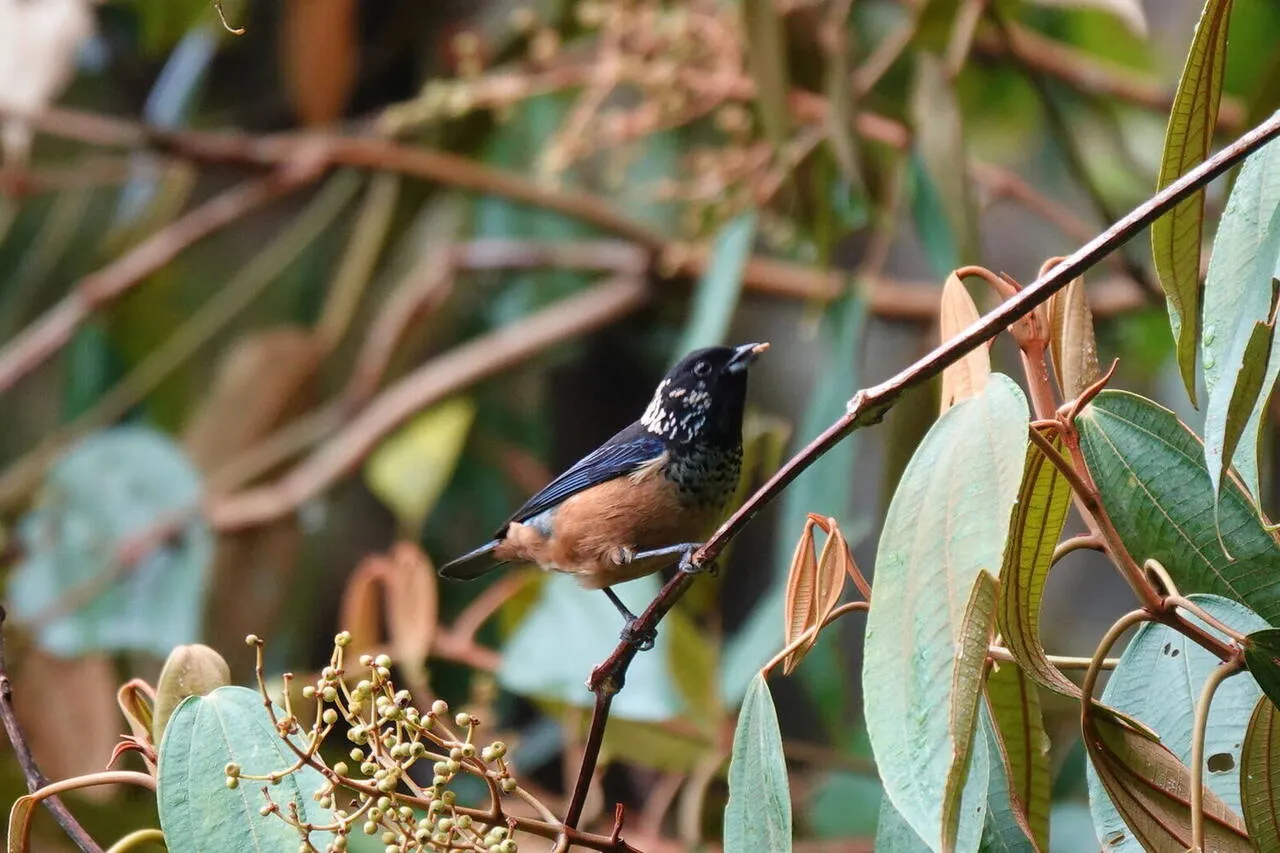
A Talamancan highland specialty, its blue-black head finely speckled like scattered stars, moving in small mixed flocks through the canopy.
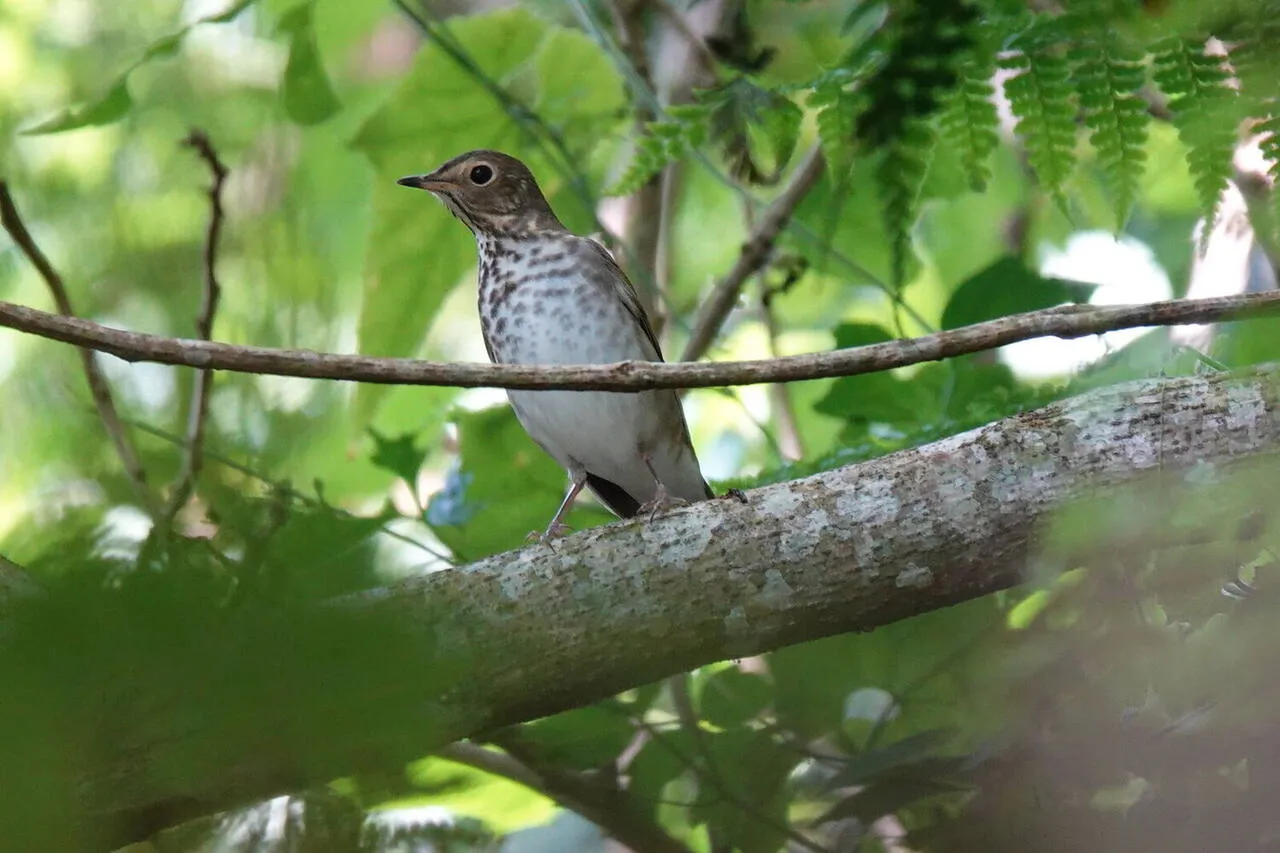
A spot-breasted migrant thrush passing through on its way between North and South America, foraging quietly on the forest floor.
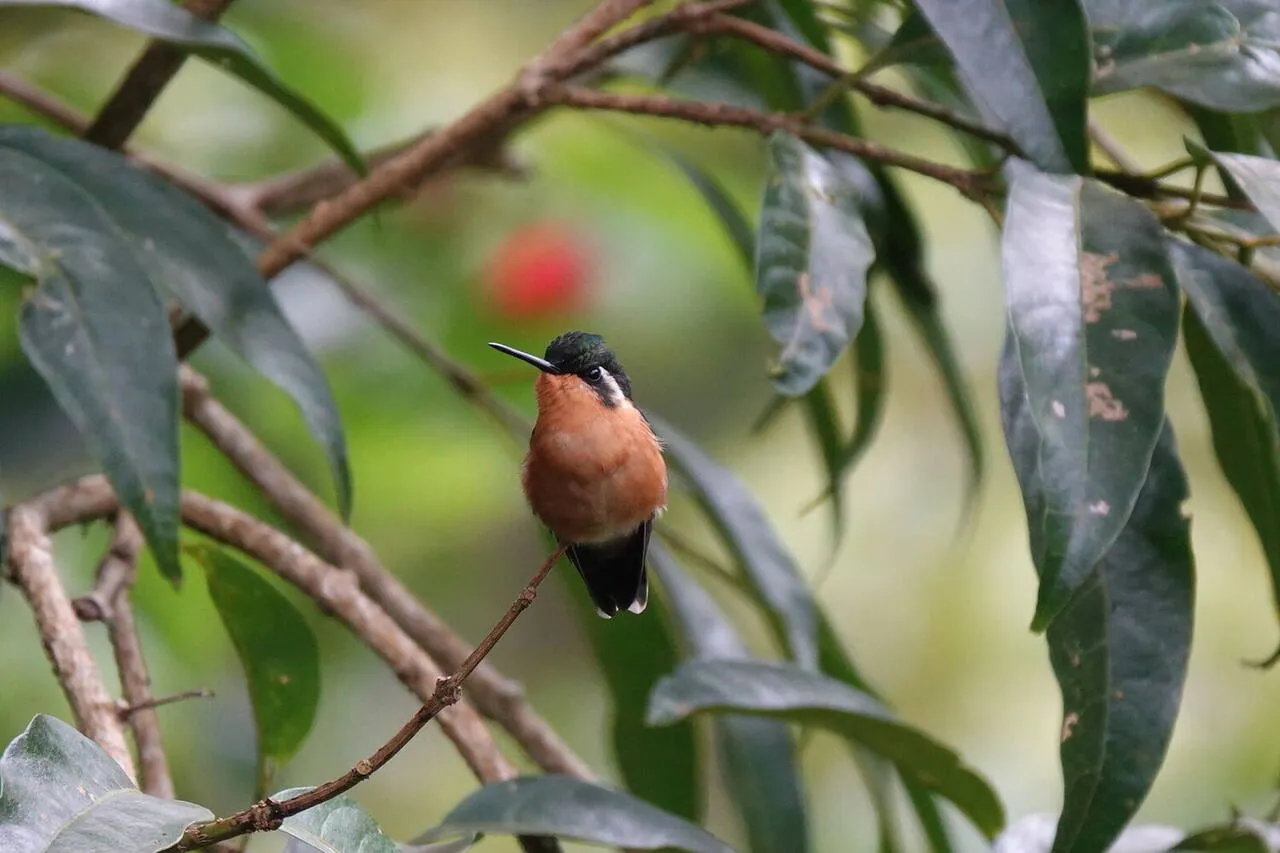
Found only in this stretch of the Talamancan highlands, with a bold white throat stripe and rufous underparts on the female.
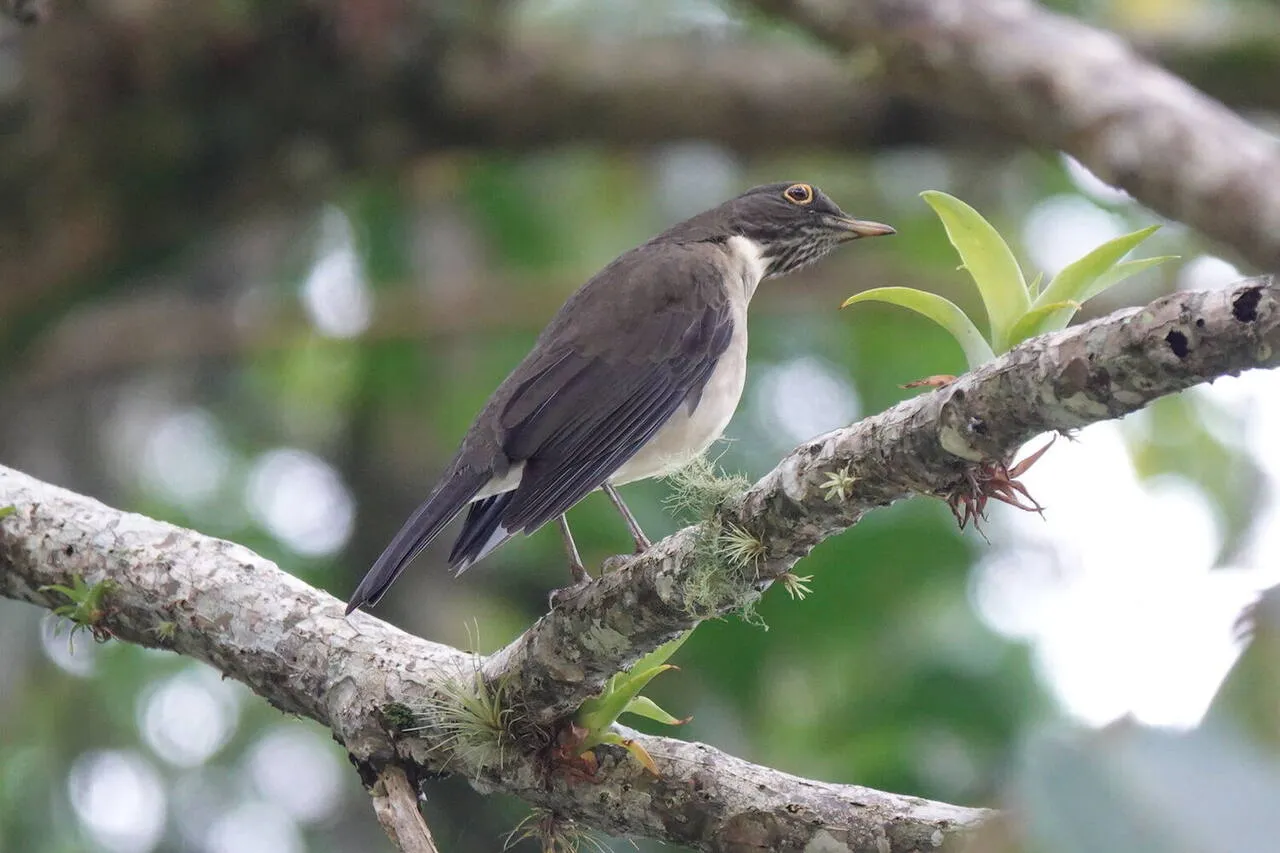
A soft-voiced thrush of the forest edge, its bright orange eye-ring and bill standing out against otherwise understated plumage.
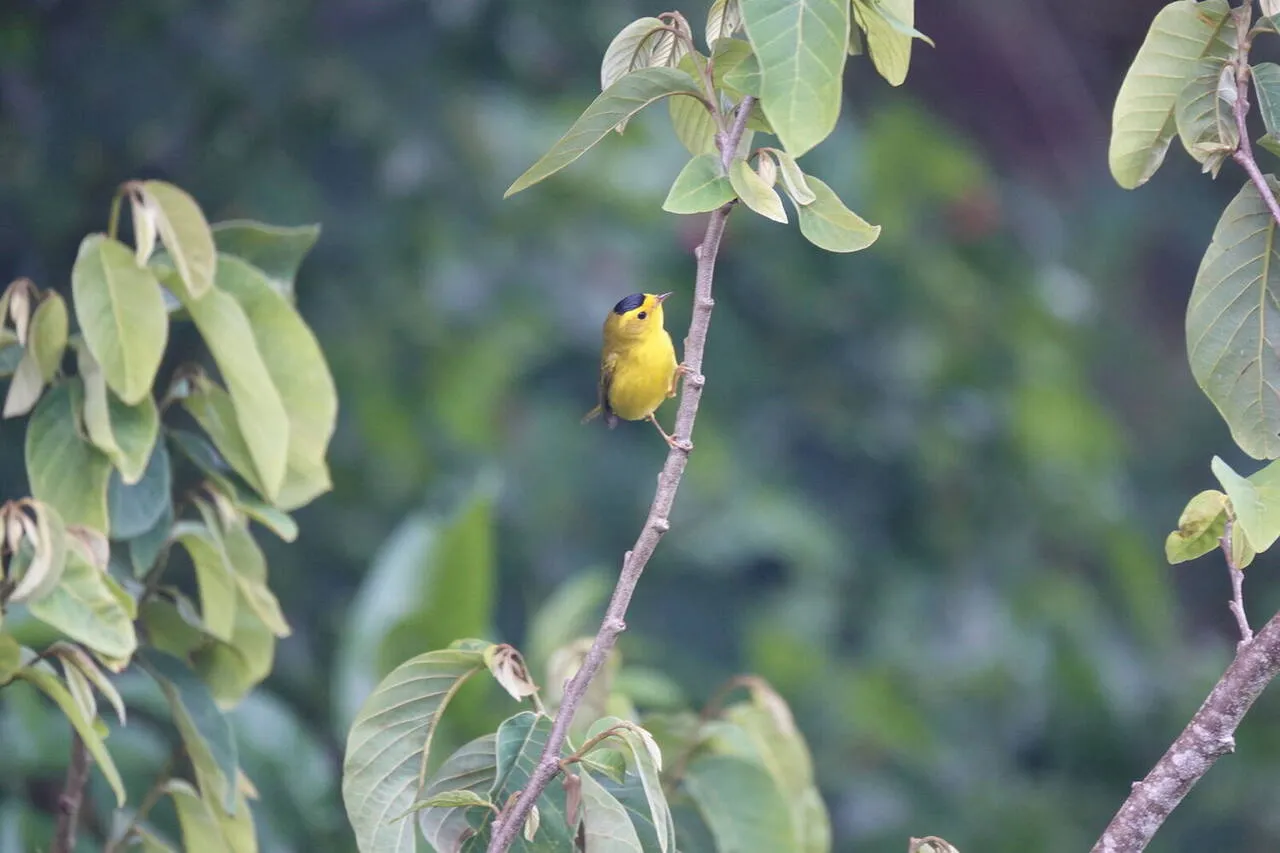
A bright yellow migrant with a neat black cap, flitting restlessly through low branches in search of insects.
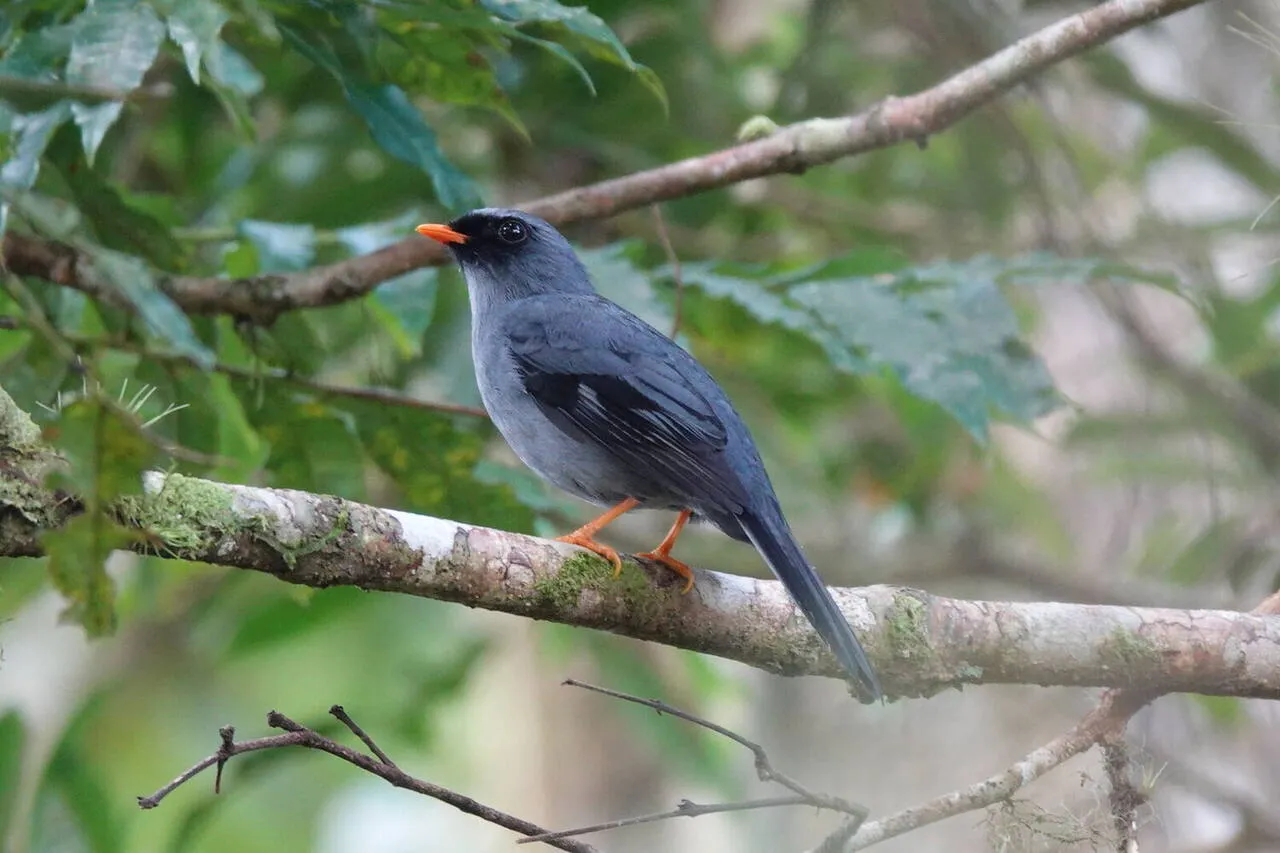
Its flute-like, otherworldly song is one of the defining sounds of the cloud forest, even when the bird itself stays hidden.
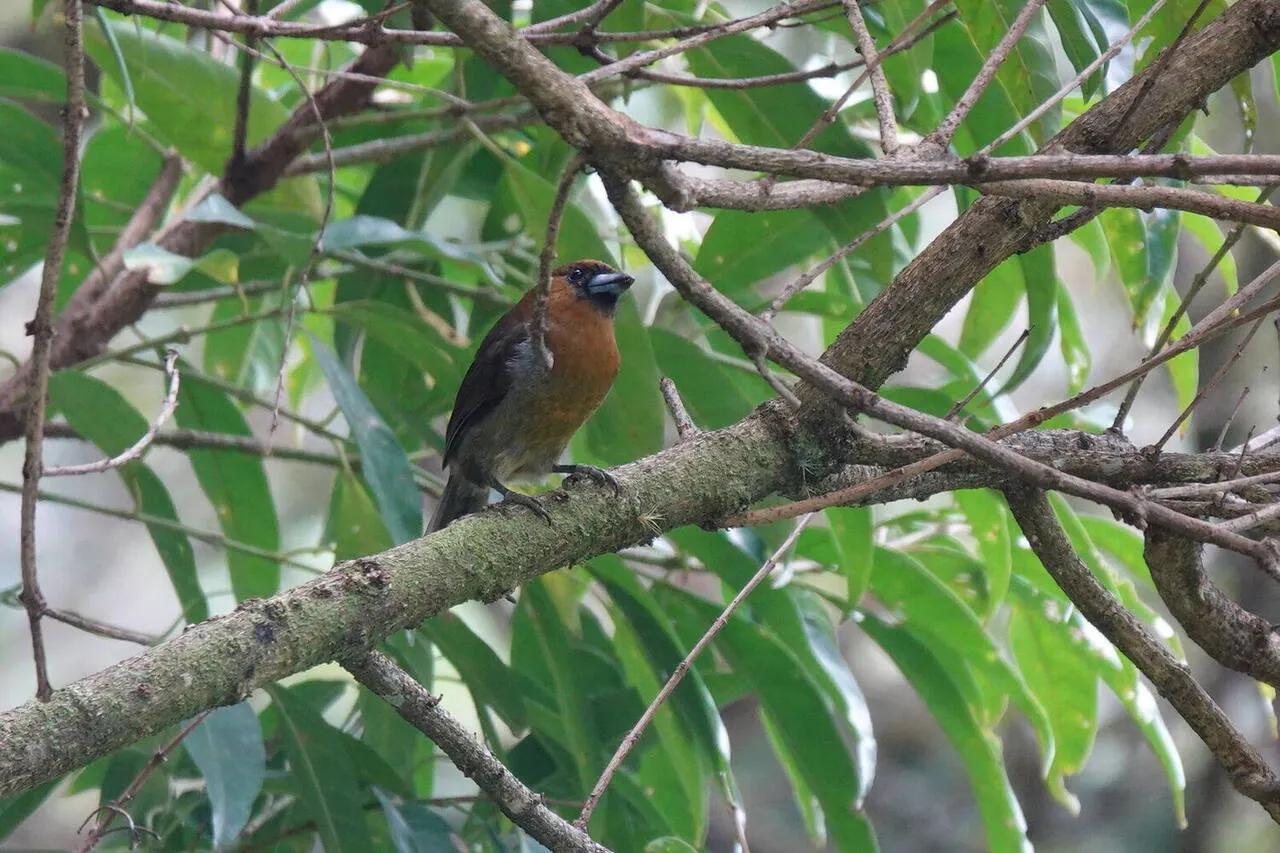
A stocky, orange-collared bird of the highlands, usually in pairs, calling back and forth in a duet that carries through the trees.
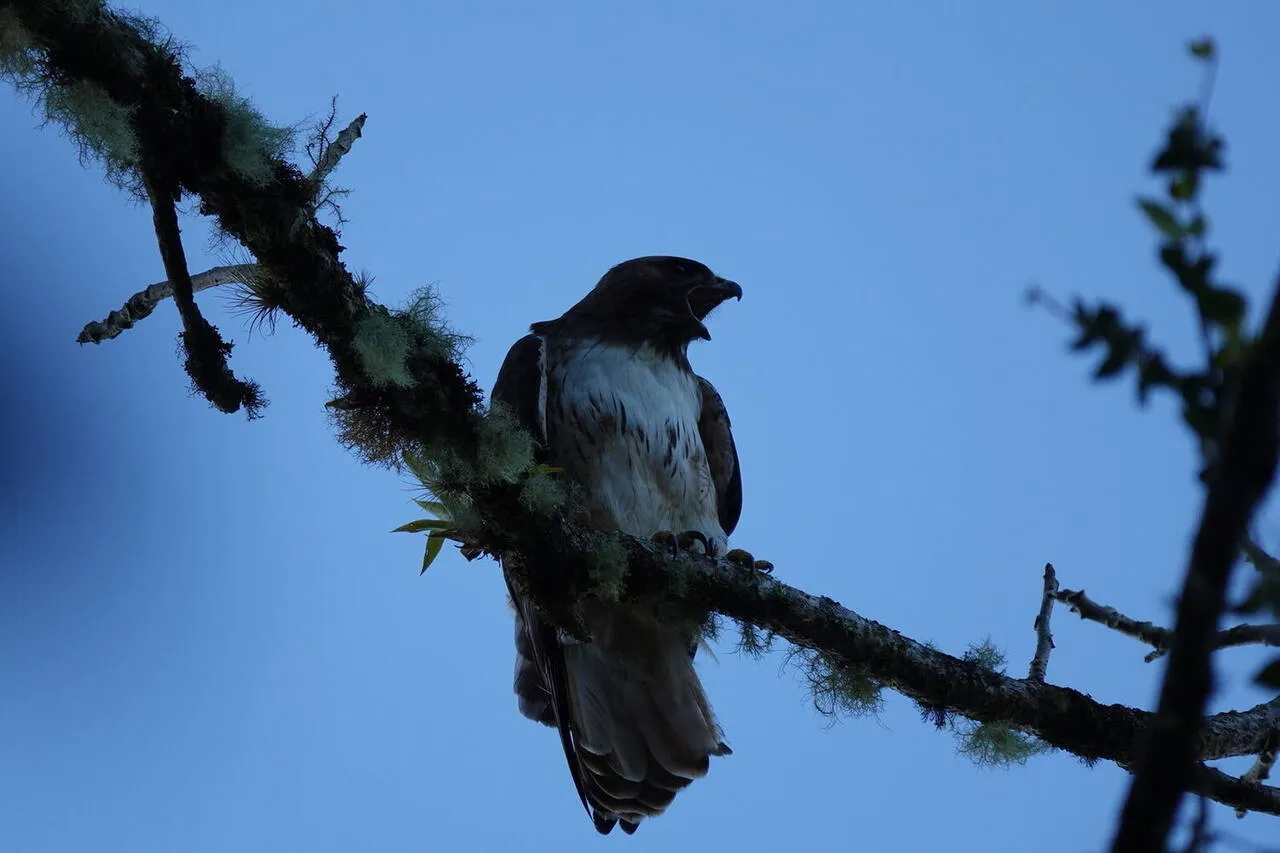
The farm's resident broad-winged hawk, often seen riding thermals above the valley or perched watching from a bare snag.
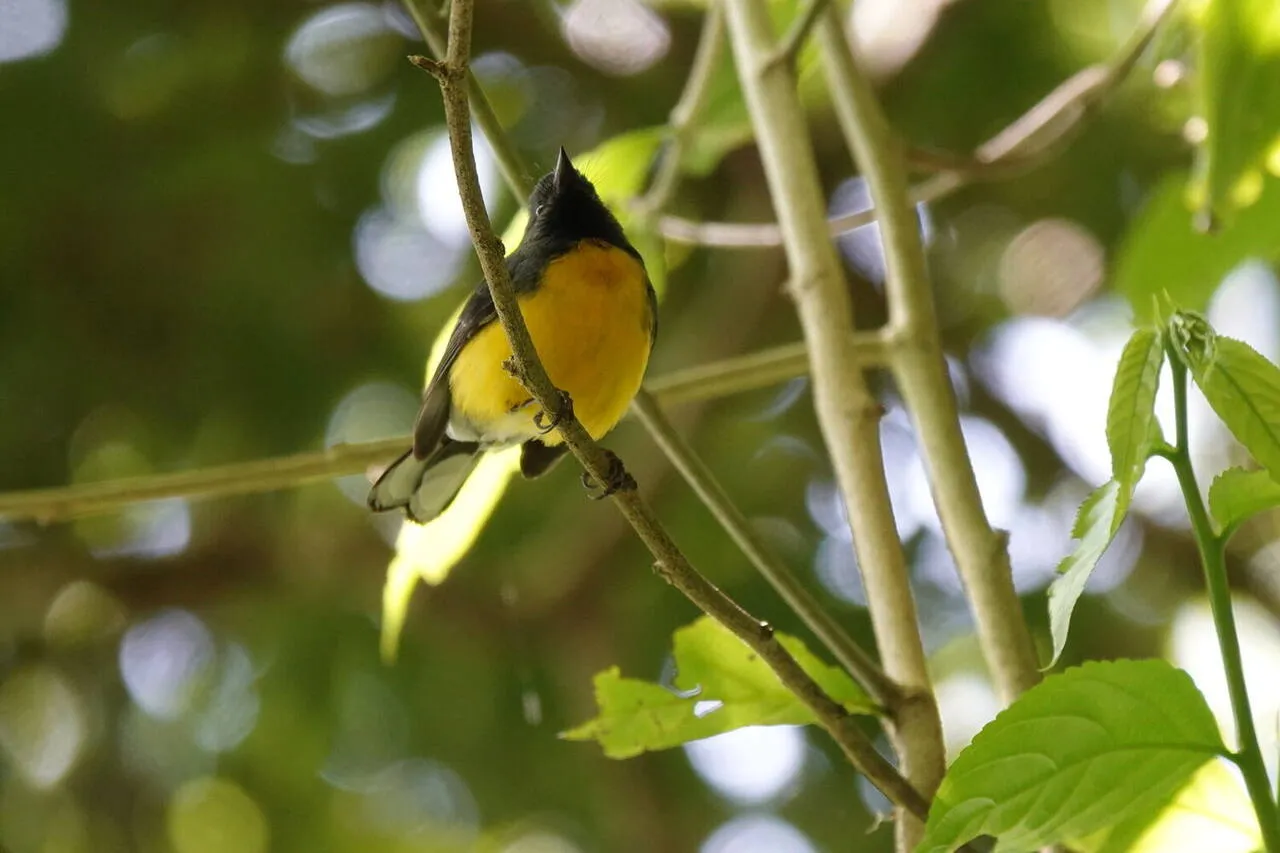
An active little warbler that fans its tail and flashes its wings almost constantly while foraging, a habit that helps flush hidden insects.
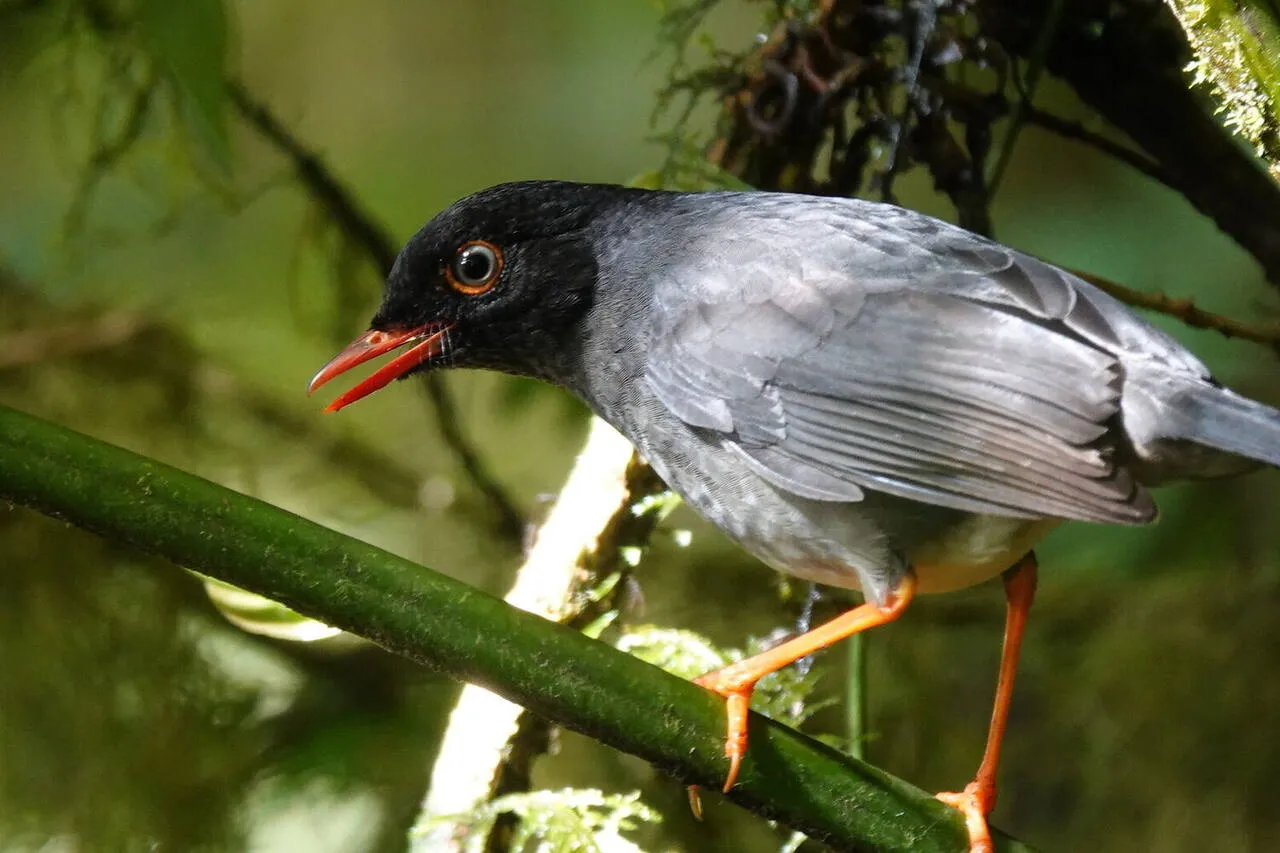
A shy understory thrush with a piercing orange bill and eye-ring, better known for its clear, haunting song than for showing itself.
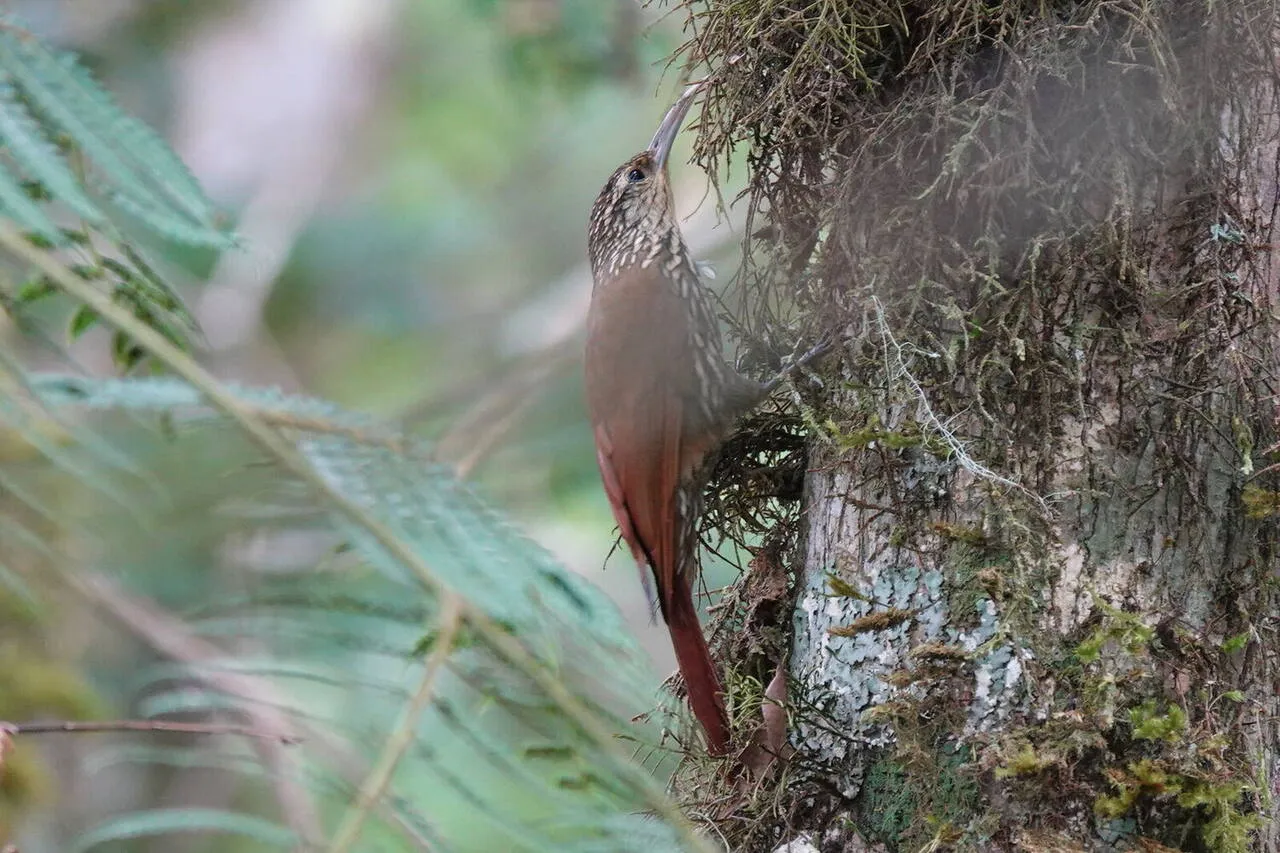
Spirals up tree trunks probing bark crevices with its long, curved bill, part of the mixed flocks that move together through the forest.

Unmistakable overhead, with a deeply forked tail and effortless, gliding flight as it hunts insects and small prey on the wing.
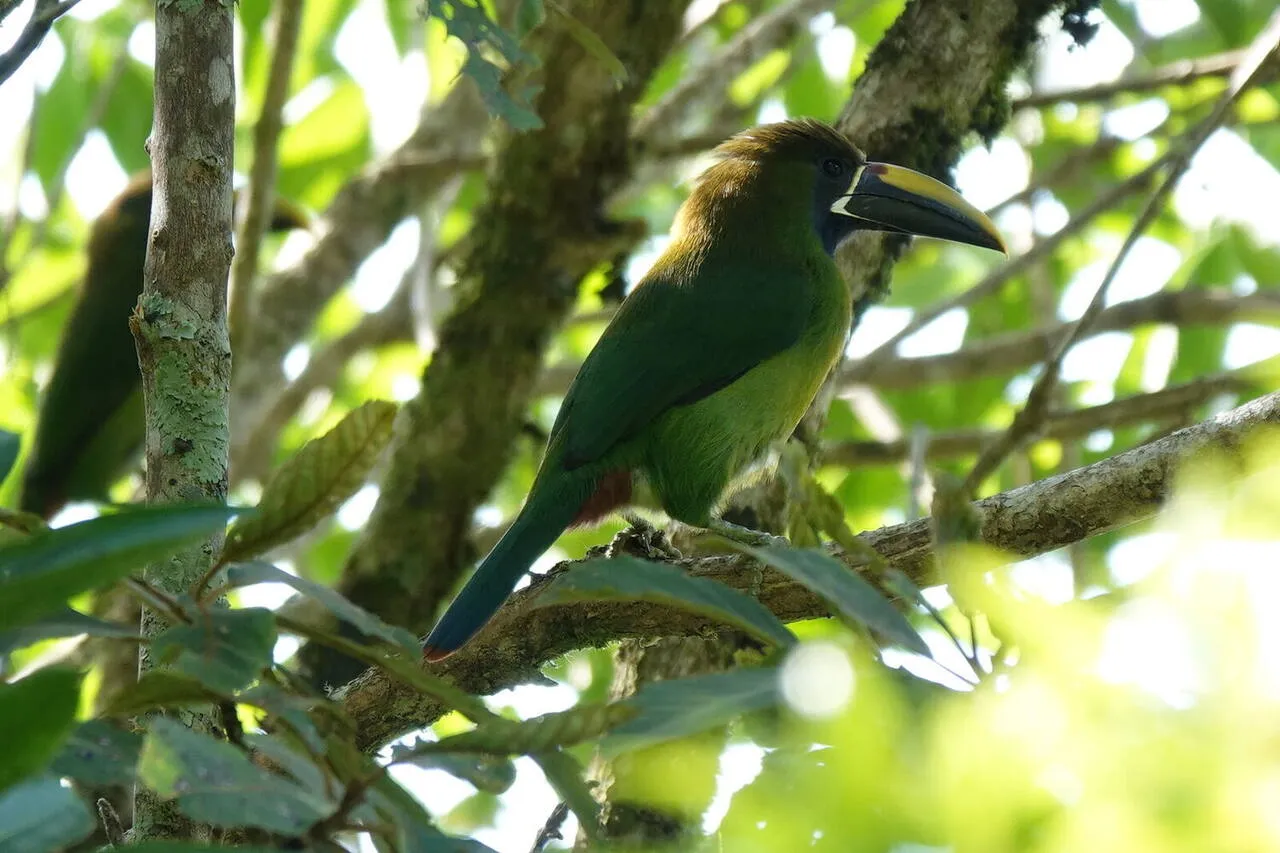
A small toucan in bright green plumage with a two-tone bill, often heard croaking from the canopy before it’s seen.
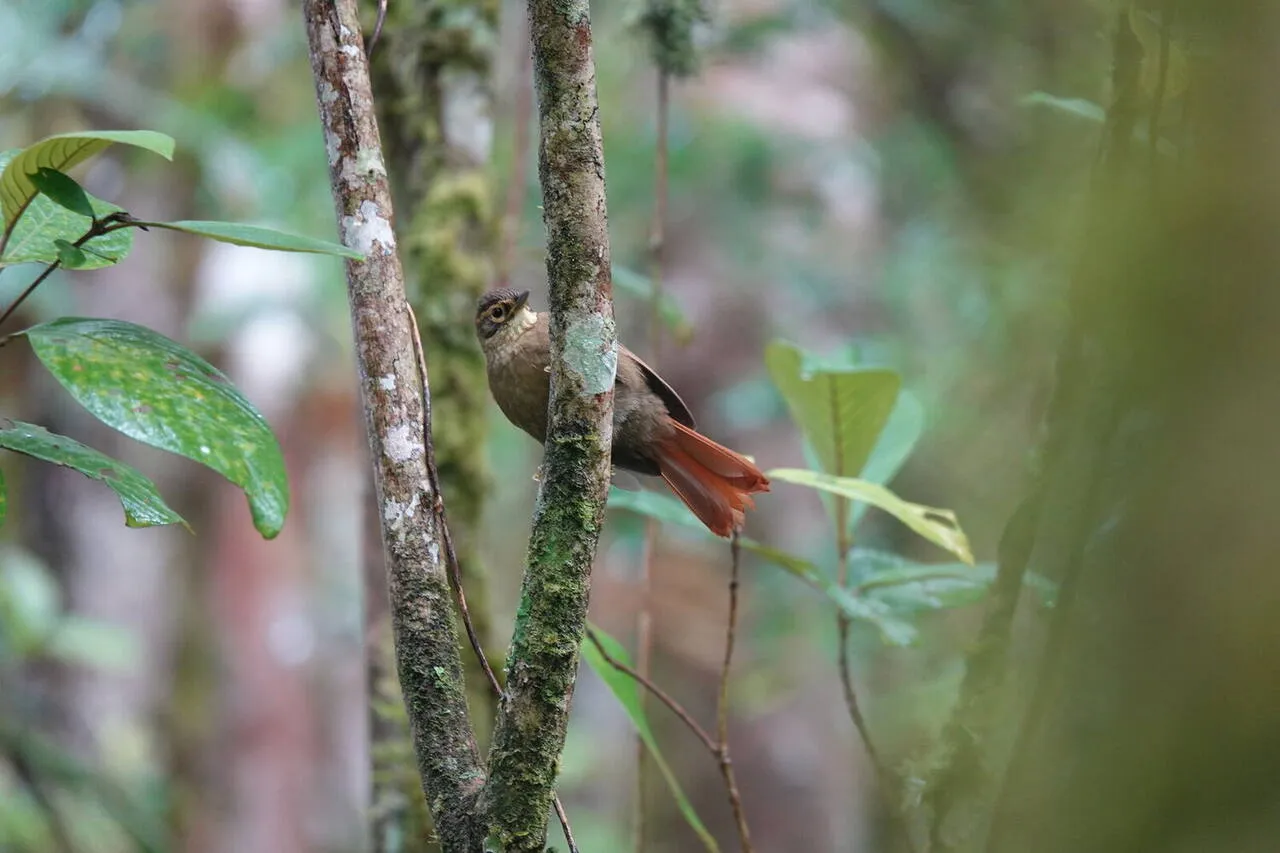
An understory forager that works methodically through dead leaf clusters, probing for hidden insects.