The Proof
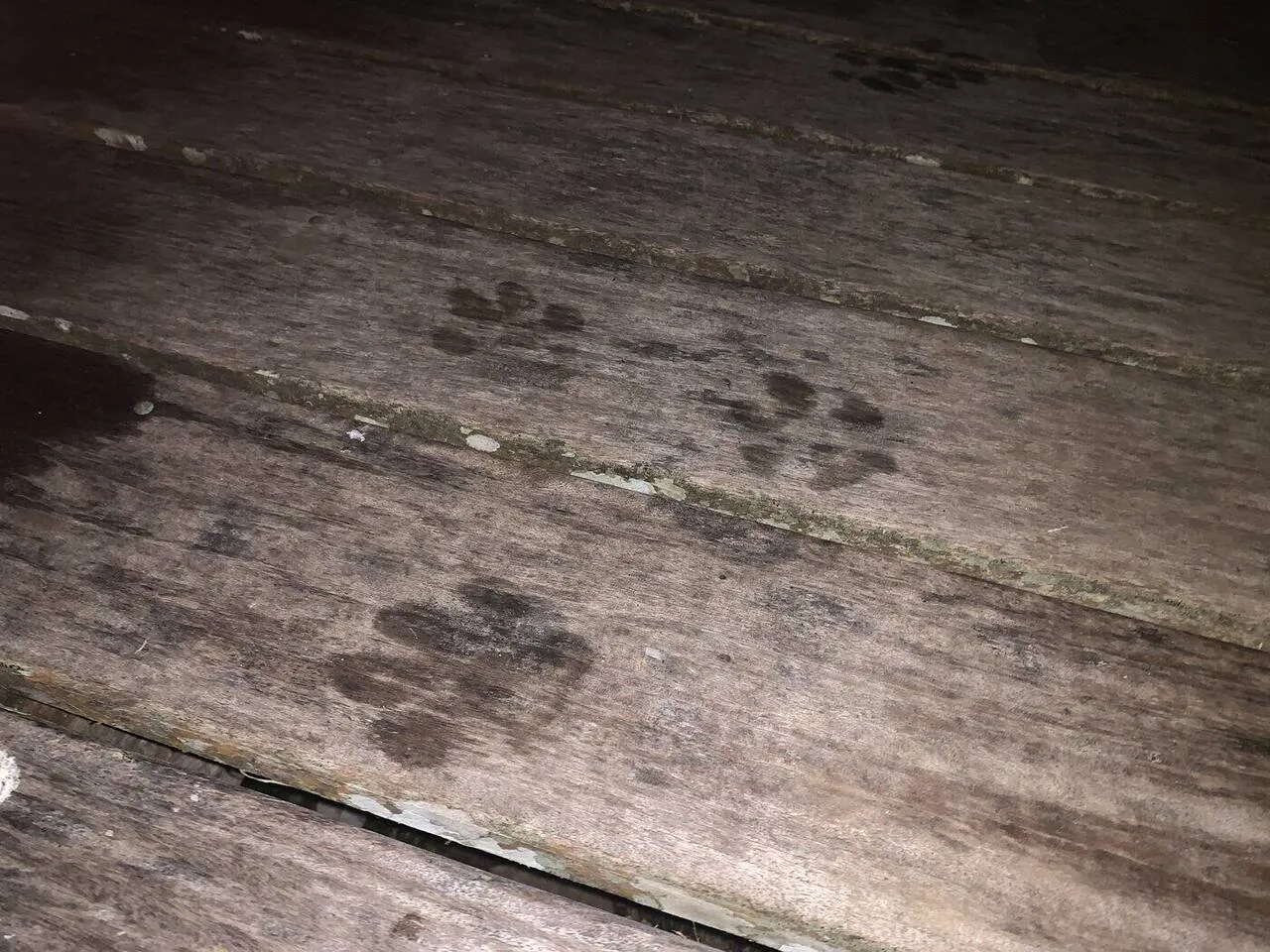
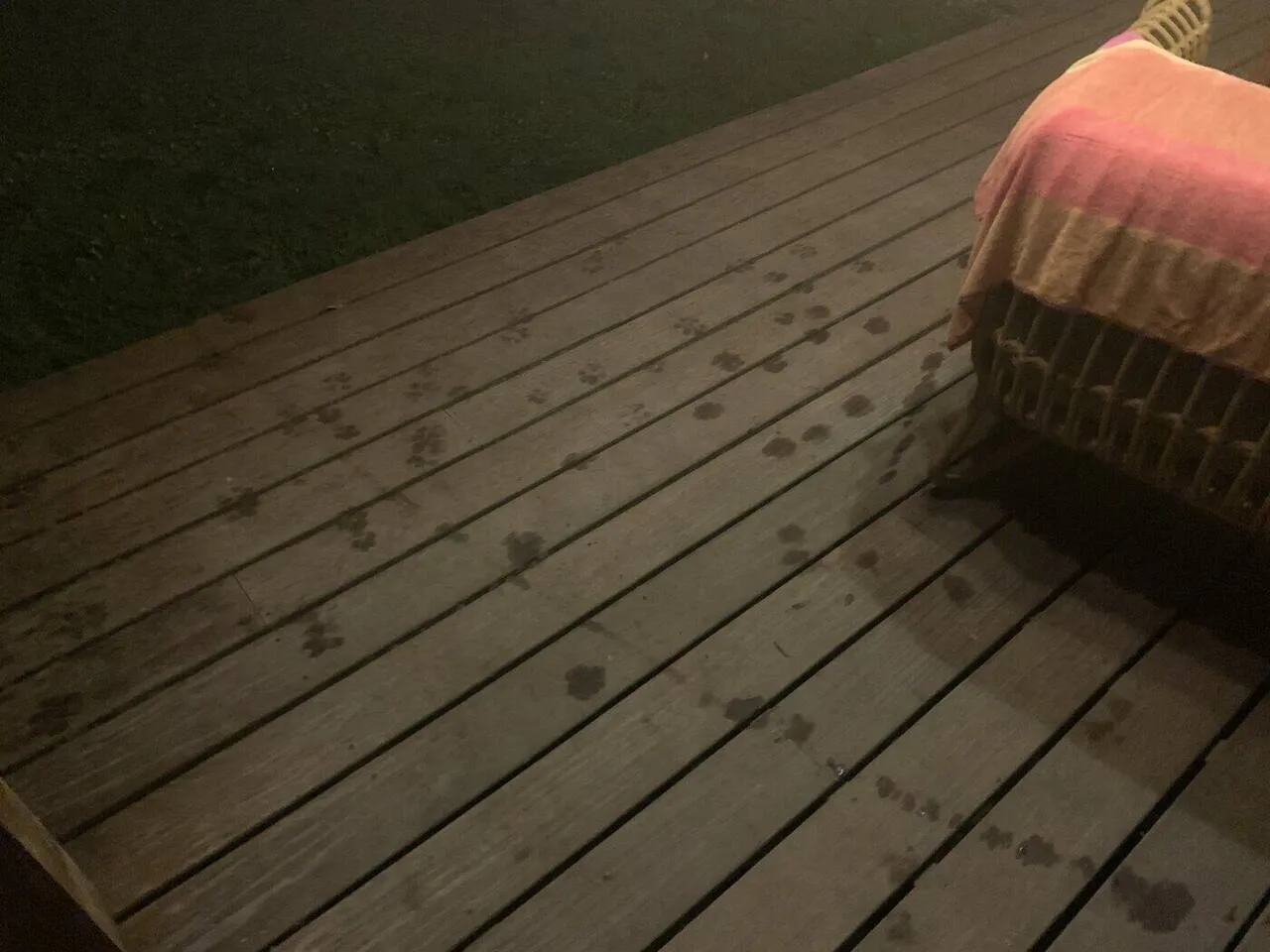
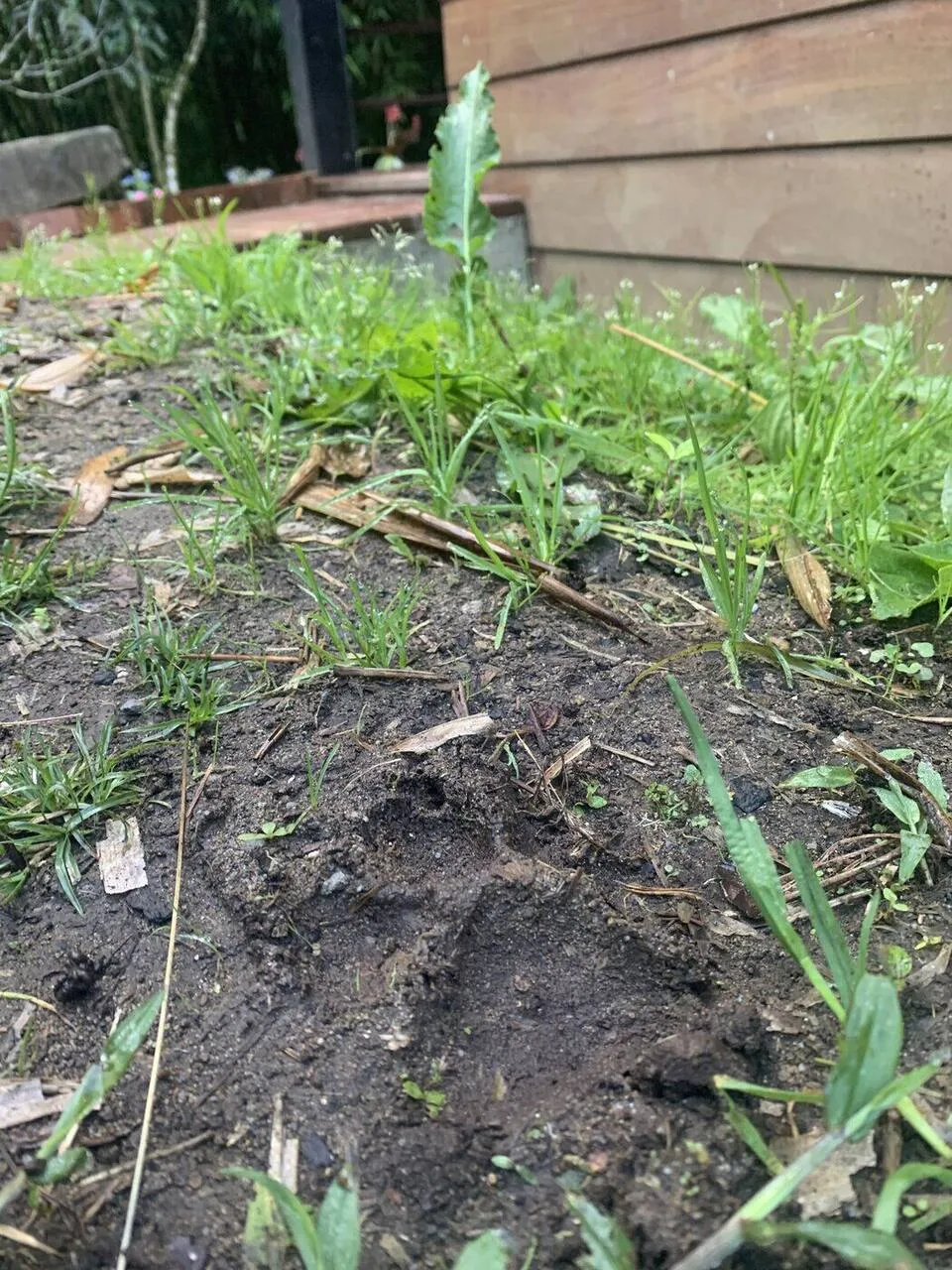
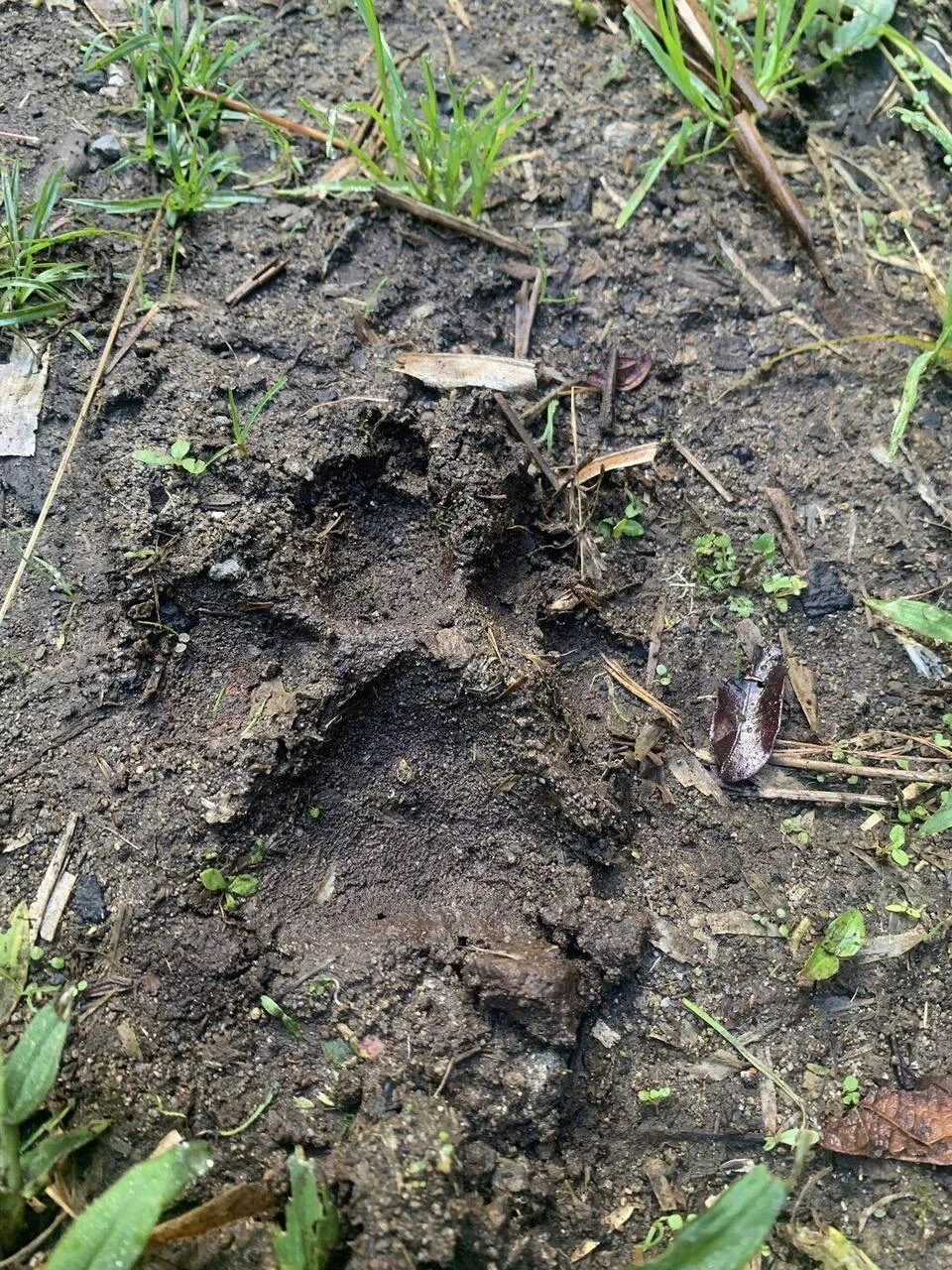
Her tracks, the morning after.
Paw prints from the jaguar and her cubs, left on the terrace decking and in the soft ground behind Cabin Quetzal.
The farm sits inside the highlands of Amistad International Park — one of the largest, wildest protected areas in Central America, and home to monkeys, wild cats, and mammals rarely seen anywhere near a place to stay.
Wild on the Farm is one with La Amistad National Park. Here, the border with the wild does not exist; encounters are sovereign.
It is not uncommon to cross fresh tracks on our trails — jaguar, ocelot, jaguarundi, deer, peccary. In twenty years, the lord of these grounds, the jaguar, has honored me with its presence three times. The last time was under the fullness of the last moon.
At three in the morning, an unusual commotion among my terrace furniture pulls me from sleep. My first thought goes to a stray dog. My wonderful dog, Jaya, left us two months ago, and since her departure, nothing deters opportunistic visitors anymore. I move toward the window. The moon casts an almost indecent clarity over the landscape. I first make out a dark, shifting mass. Convinced I'm dealing with some stray mutt, I let out a shout to chase it off.
That's when the dark mass splits into two small tufts of fur, as the long, heavy, majestic silhouette of the mother emerges onto the terrace. No panic. Mother and cubs resume their calm wandering, gliding on soft paws for a nocturnal inspection of the farm. By morning, we'll find their fresh tracks winding between the cabins, just before their return to the secrecy of the forest.
I have spent most of my life in raw nature. And yet, feeling this wild life pulse so close, almost within breath's reach, remains for me an absolute miracle. A moment of grace essential to my own breathing.
— The Founder, Wild on the Farm
Paw prints from the jaguar and her cubs, left on the terrace decking and in the soft ground behind Cabin Quetzal.
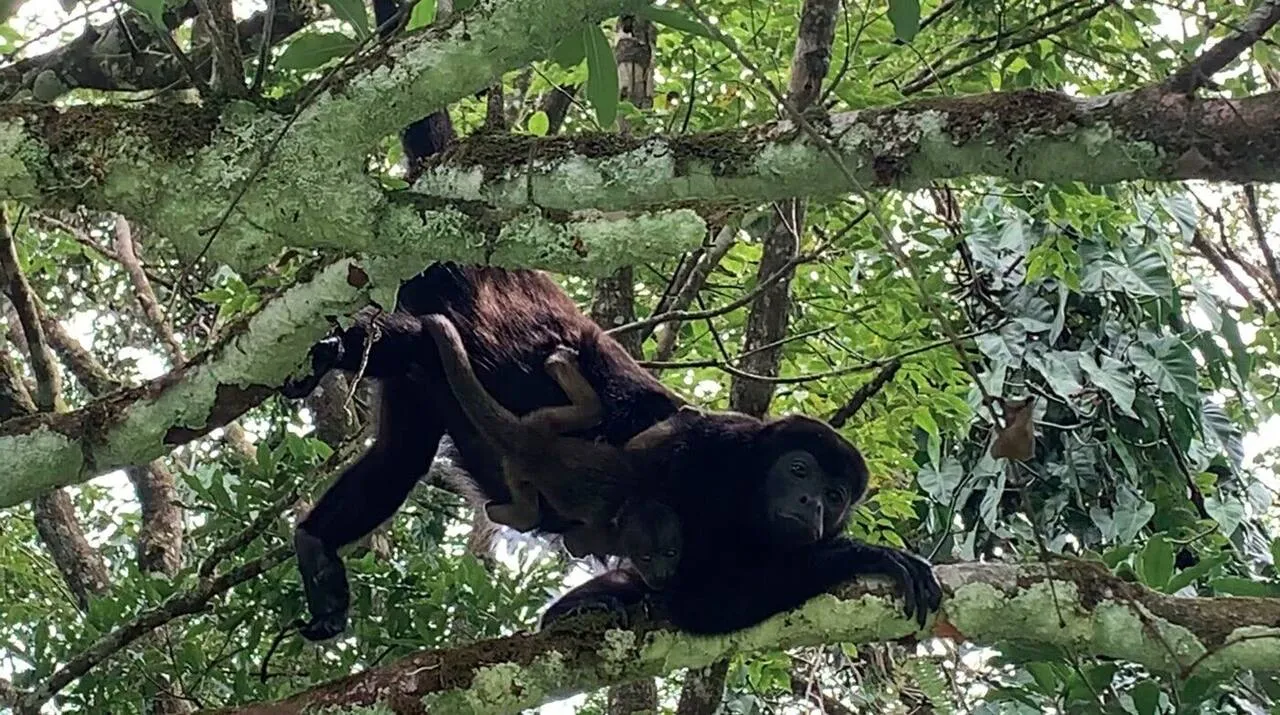
Their roaring call carries for miles through the canopy at dawn and dusk, a territorial announcement rather than a threat. Troops move slowly through the treetops, feeding mainly on leaves, and rest for much of the day to digest. This mother and clinging baby were spotted right on the farm.
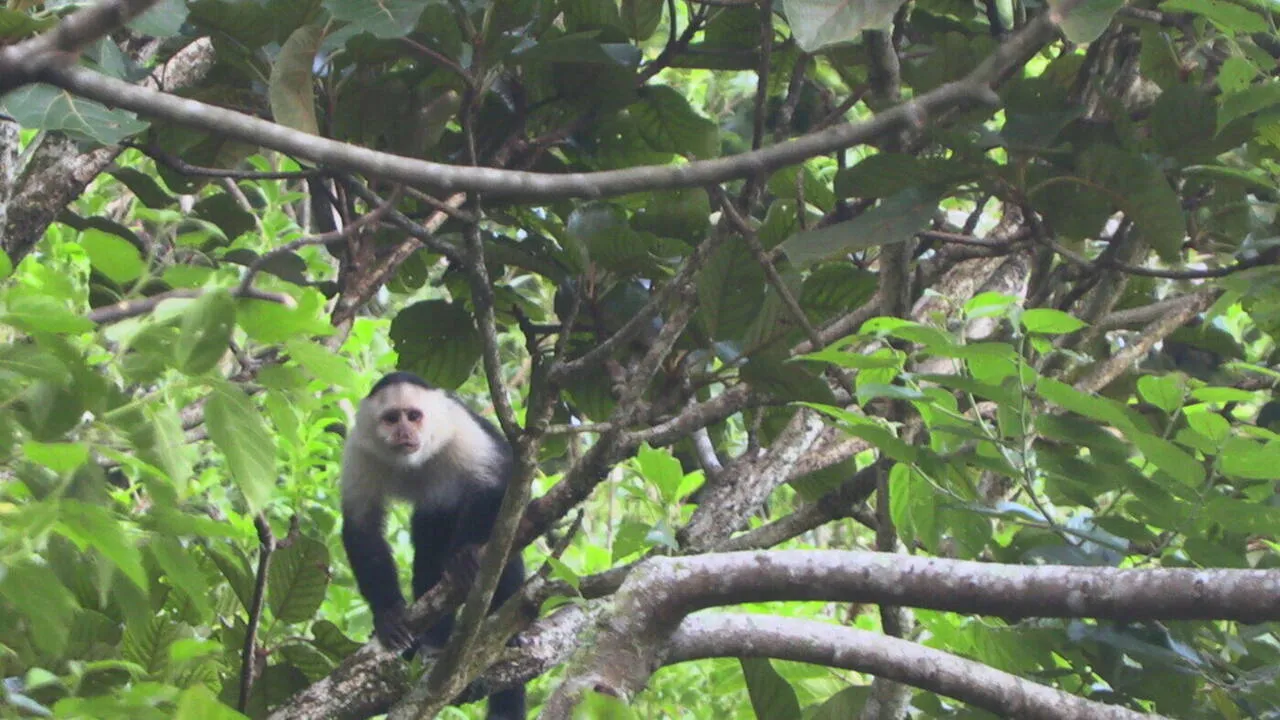
Easily the most inquisitive primate on the farm — social, noisy, and constantly foraging through the mid-story for fruit, insects, and the occasional small vertebrate. Troops are matriarchal and rarely stray far from the same core territory. Photographed right on the property.
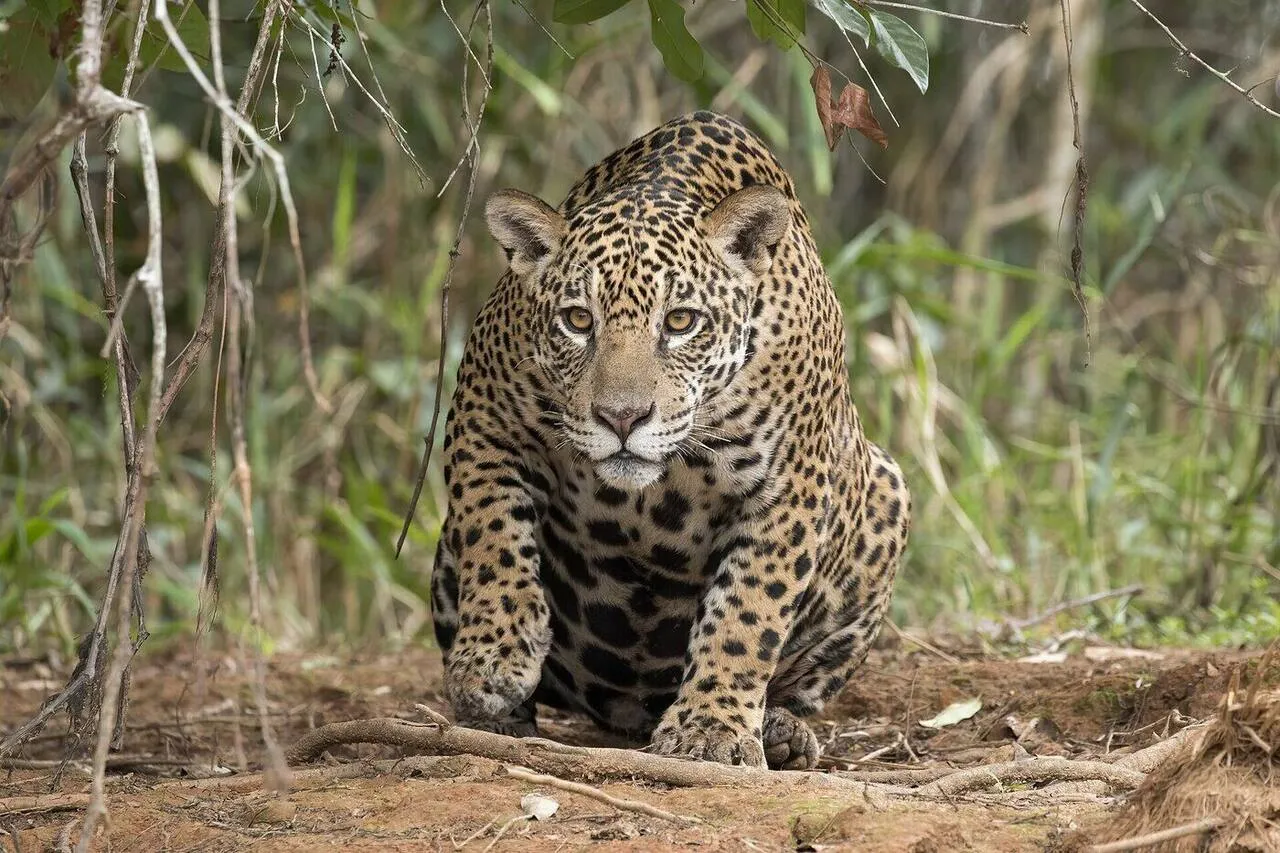
The largest cat in the Americas and the park's apex predator — solitary, mostly nocturnal, and needing vast territory to hunt peccaries and deer. Sightings this close to a cabin, as Pascal can attest, are exceptionally rare even here.
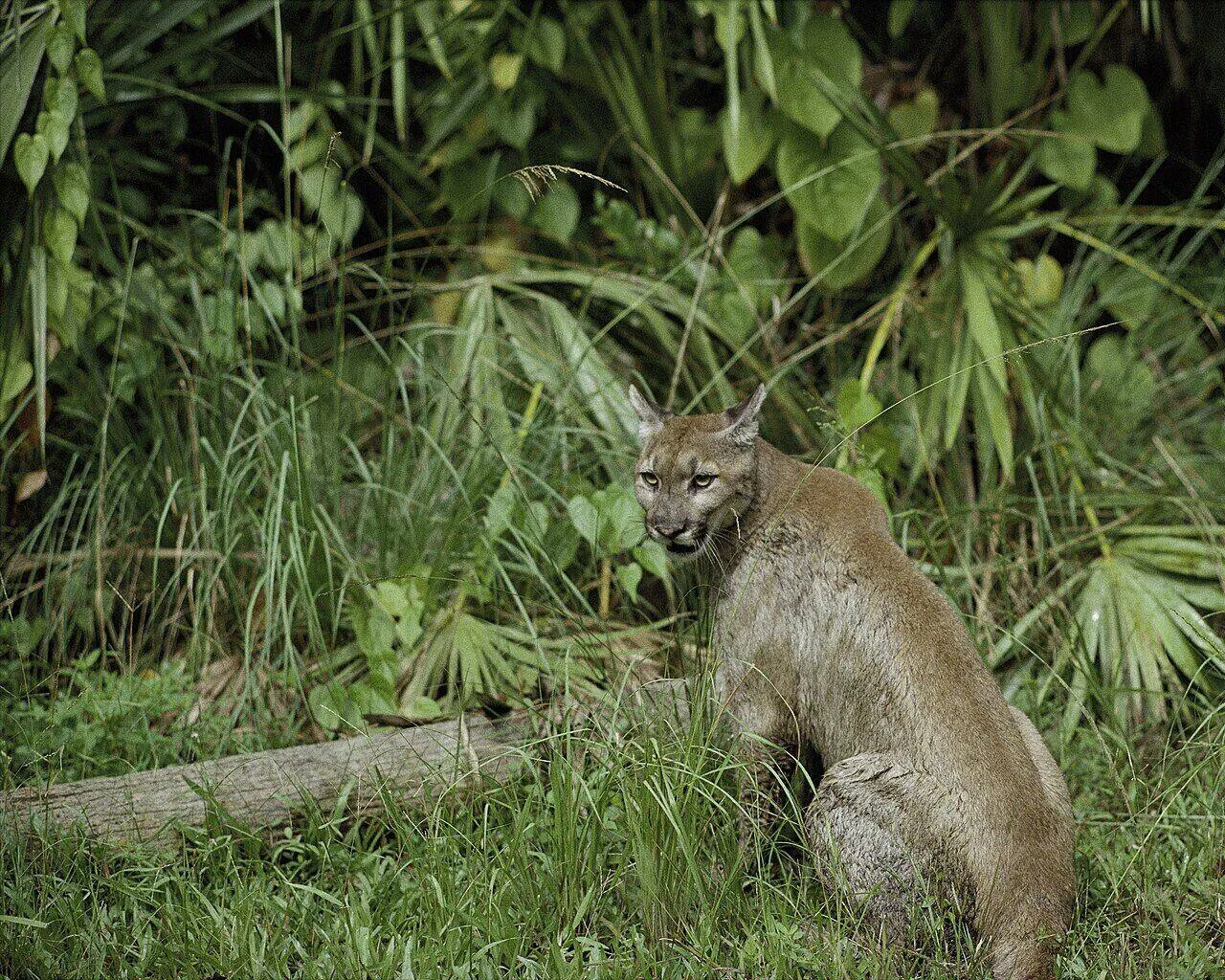
A powerful, adaptable cat found from lowland forest to these highlands, hunting alone across a wide range. More often confirmed by tracks or a camera trap than by direct sighting.
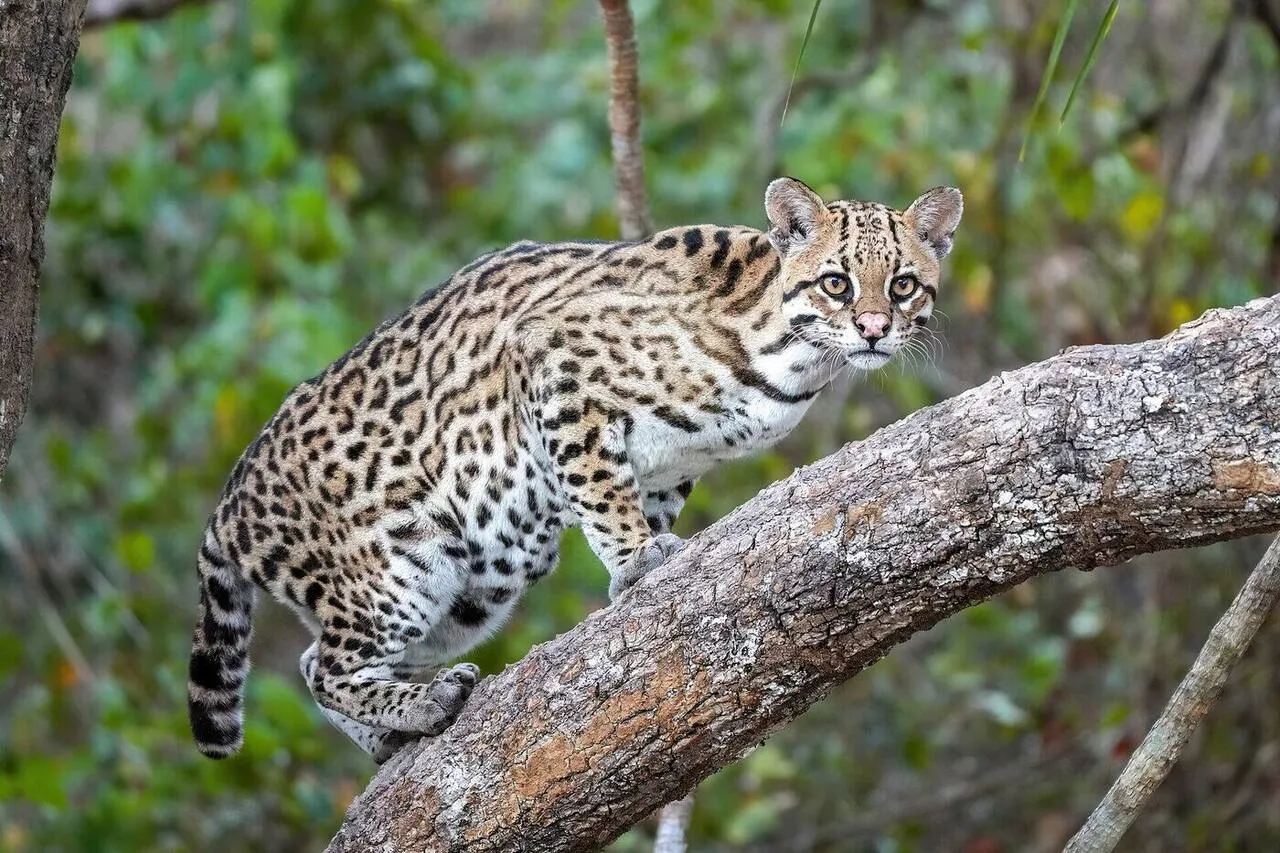
A striking, medium-sized cat that hunts mostly at night on the forest floor, equally comfortable stalking small mammals, birds, or reptiles. Its rosette pattern gives excellent camouflage in dappled light.
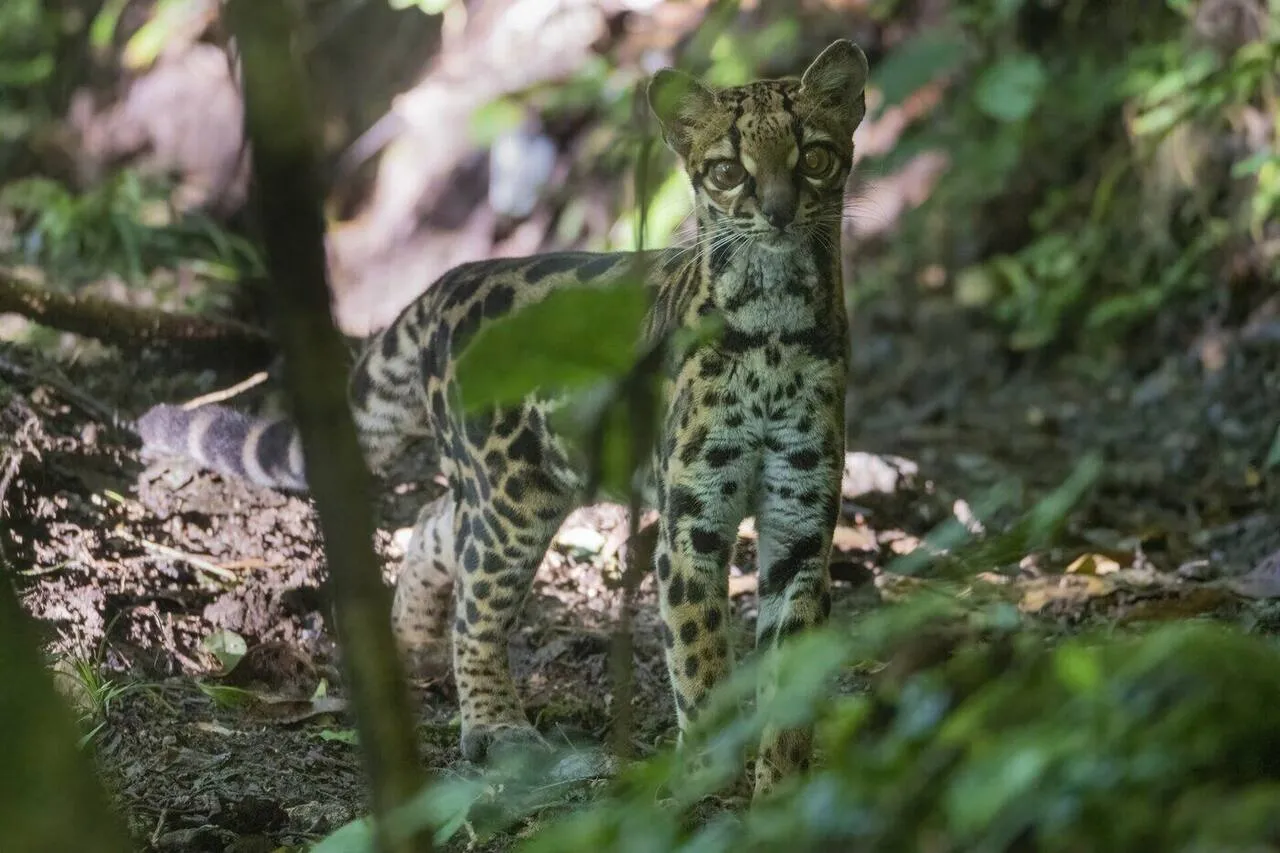
The most acrobatic of the small cats, with ankles that rotate nearly 180 degrees, letting it climb down trees head-first like a squirrel. Almost entirely arboreal and nocturnal.
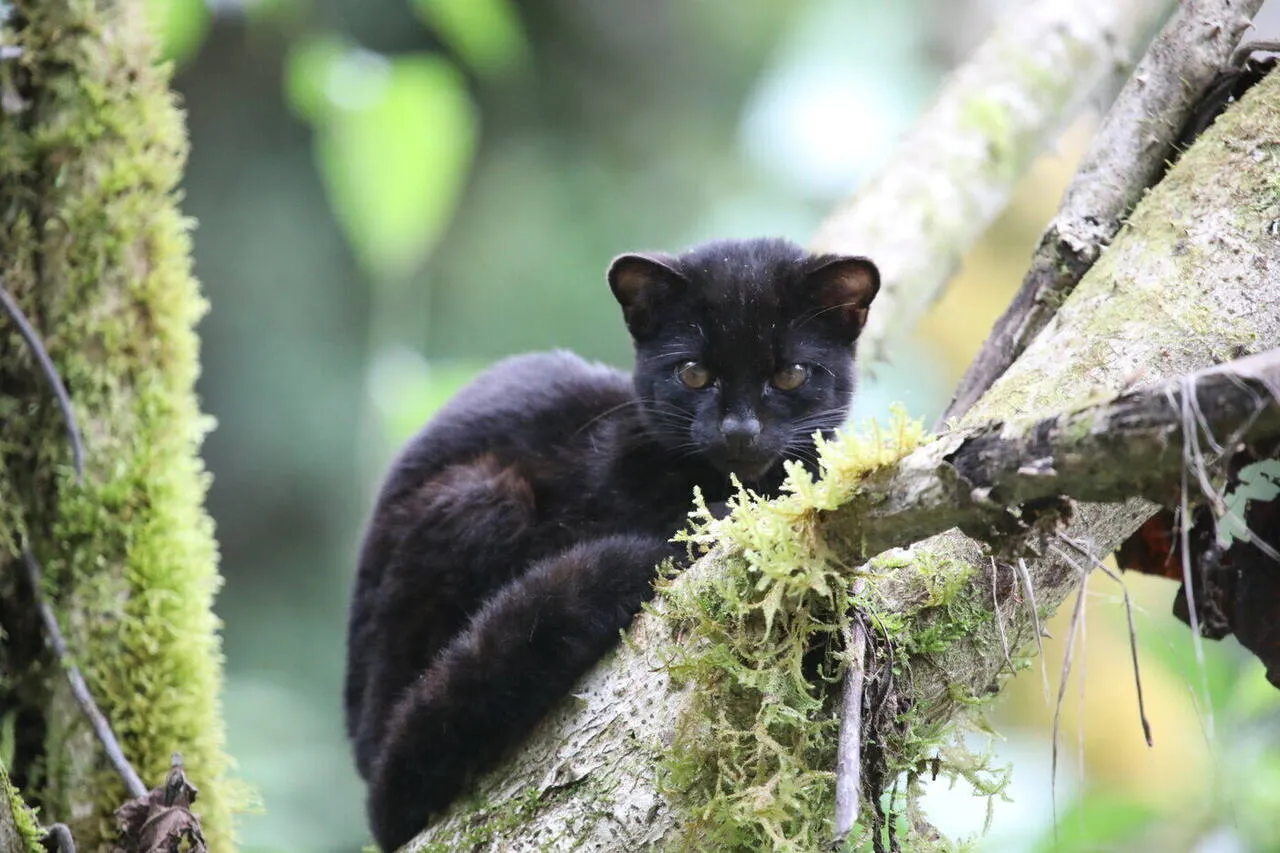
One of the smallest wild cats in the Americas, barely bigger than a house cat, hunting small rodents and birds through the highland forest understory. In cloud forest populations like this one, an all-black (melanistic) colour morph is unusually common — the individual pictured here is one.
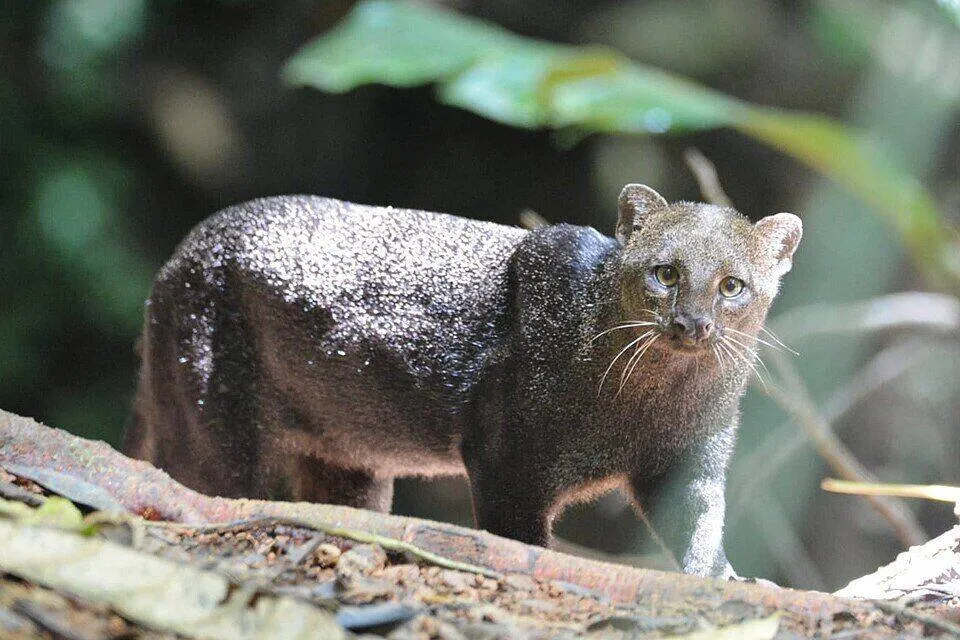
An unusually shaped cat — long-bodied, short-legged, small-headed — often mistaken at a glance for a large weasel. Unlike most cats here, it's frequently active during the day.
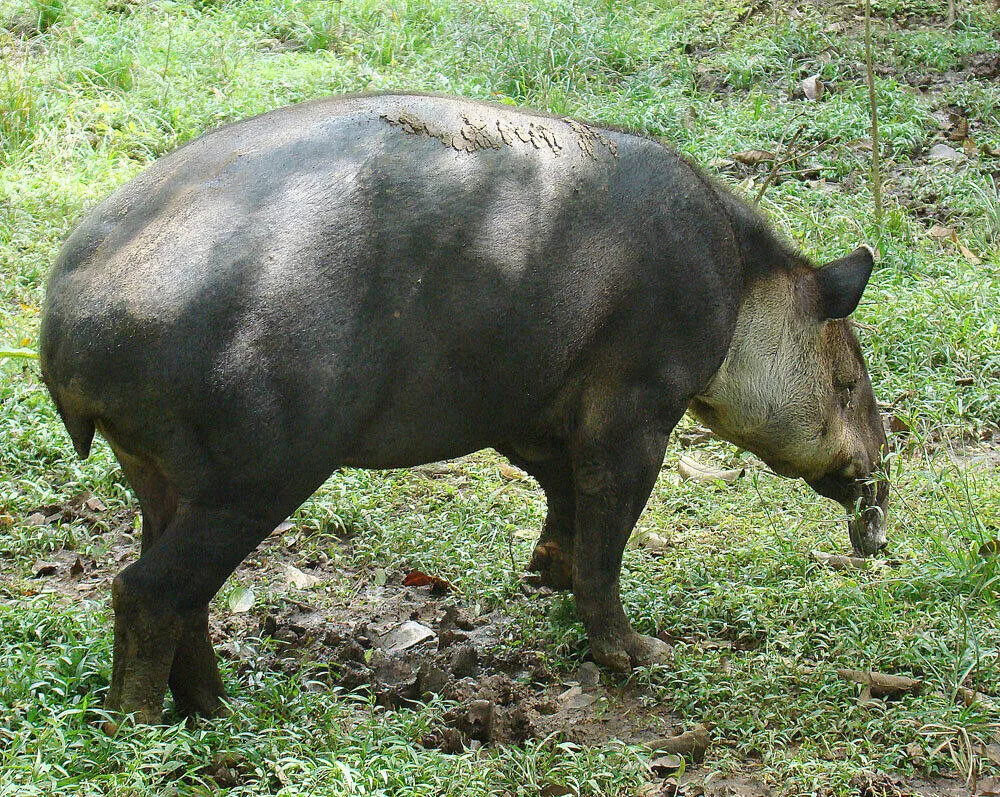
The largest land mammal in Central America, using its short, flexible snout to pull leaves and fruit within reach. Mostly nocturnal, it depends on dense, humid forest and nearby water to wallow and cool off. Now endangered across its range.
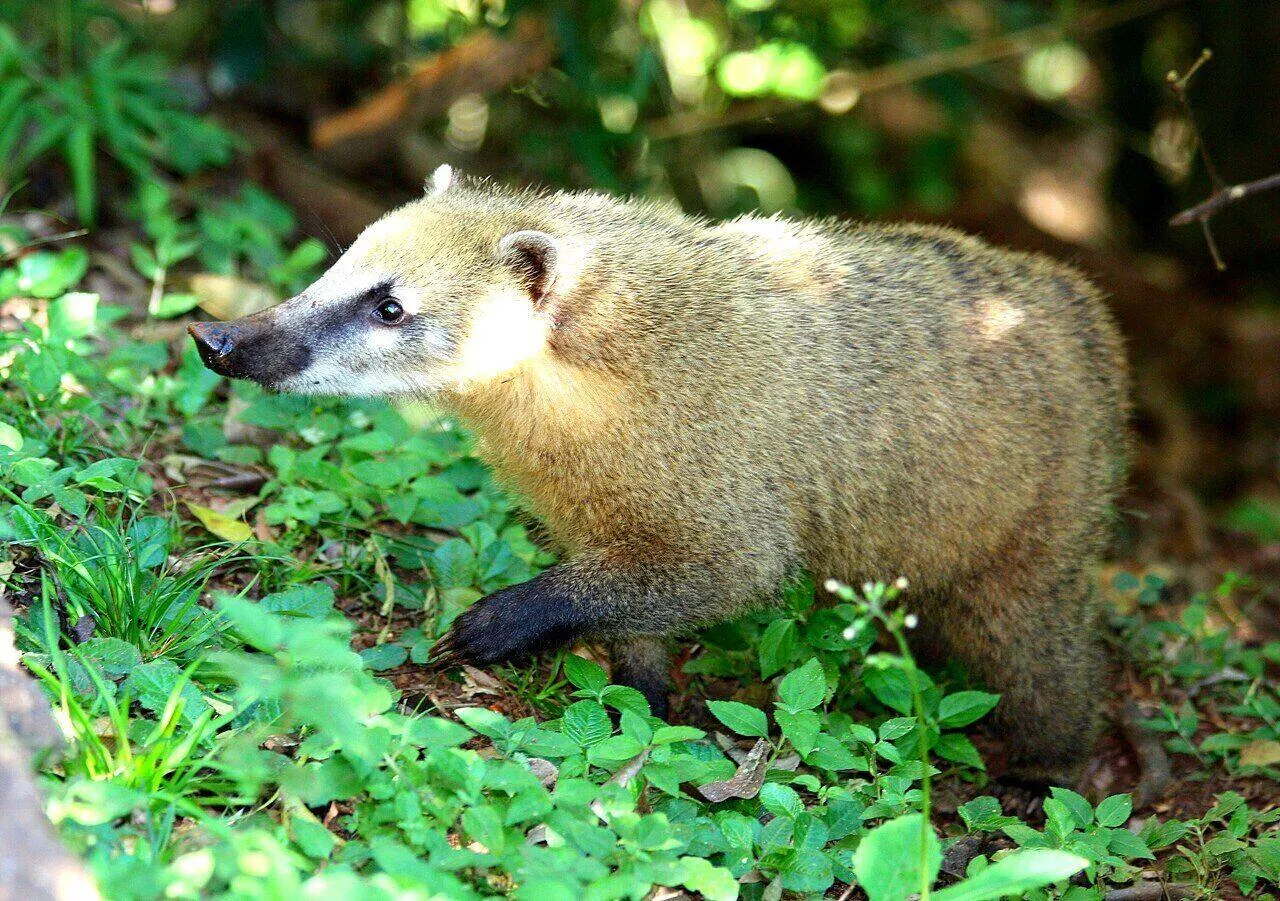
A relative of the raccoon that travels by day in noisy, active bands of females and young, snuffling through leaf litter with a long, flexible snout. Adult males are mostly solitary — one of the more commonly encountered mammals around forest edges and farmland.
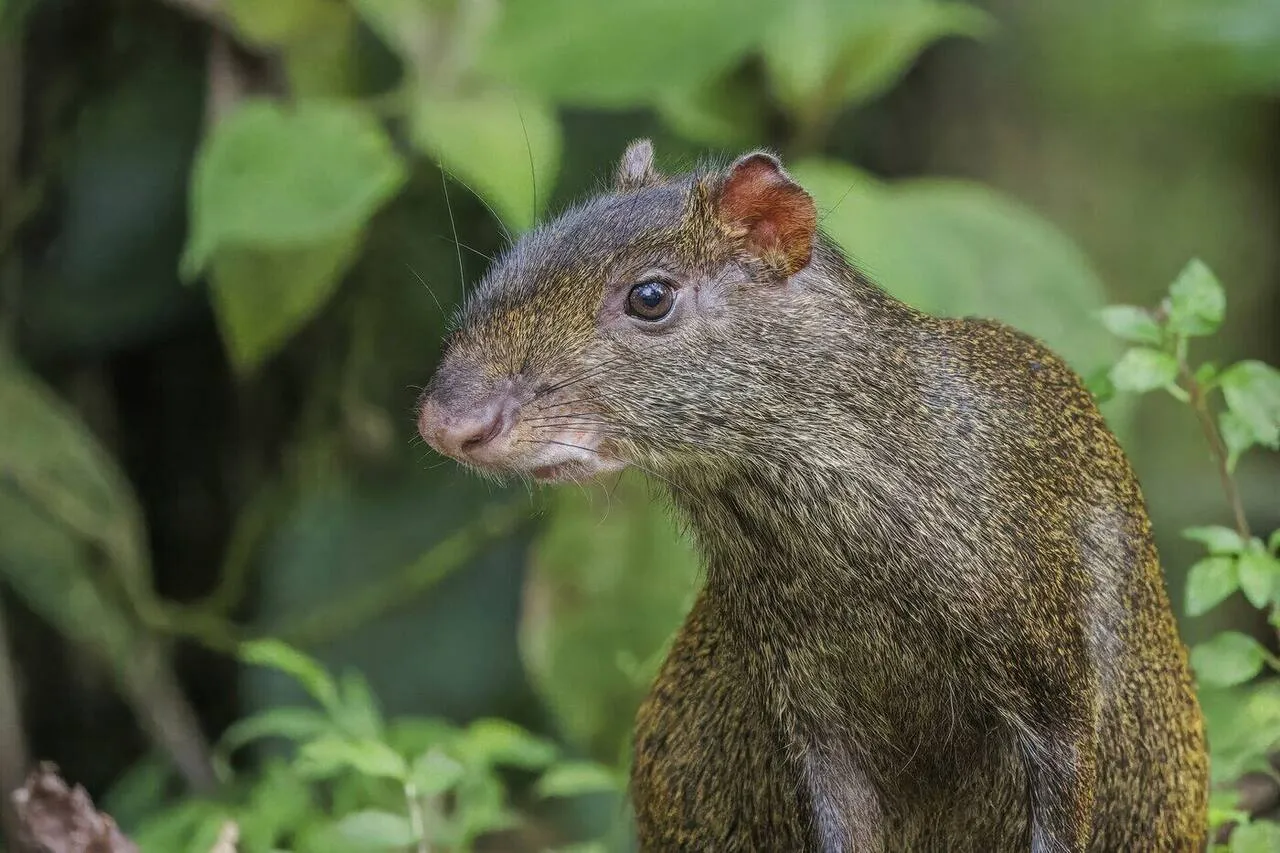
A large, long-legged rodent, active by day, that buries seeds and nuts for later — including many it never retrieves, making it one of the forest's most important tree planters.
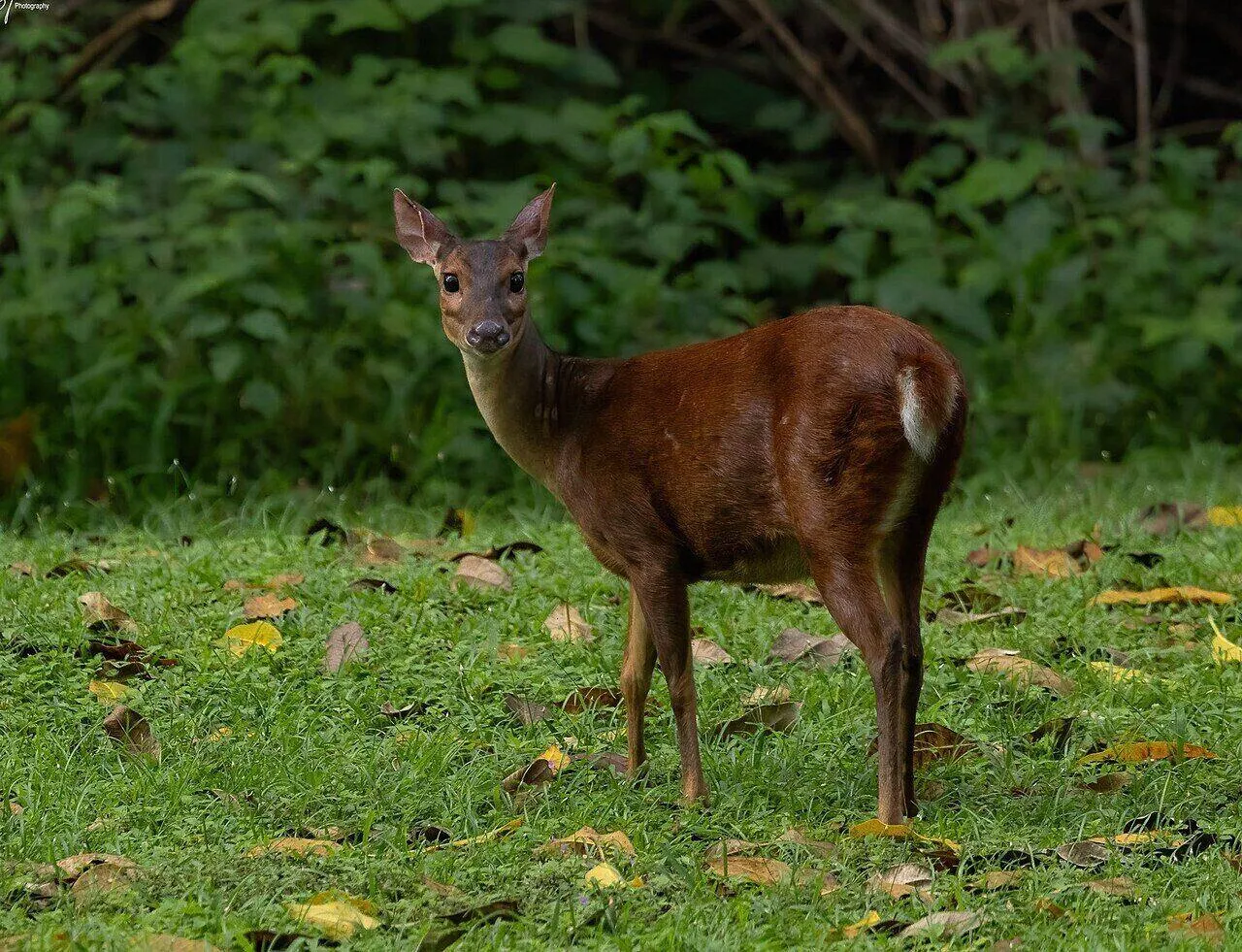
A small, solitary forest deer that moves quietly through dense understory rather than open ground, freezing rather than fleeing when startled — which makes it easy to miss even close by.
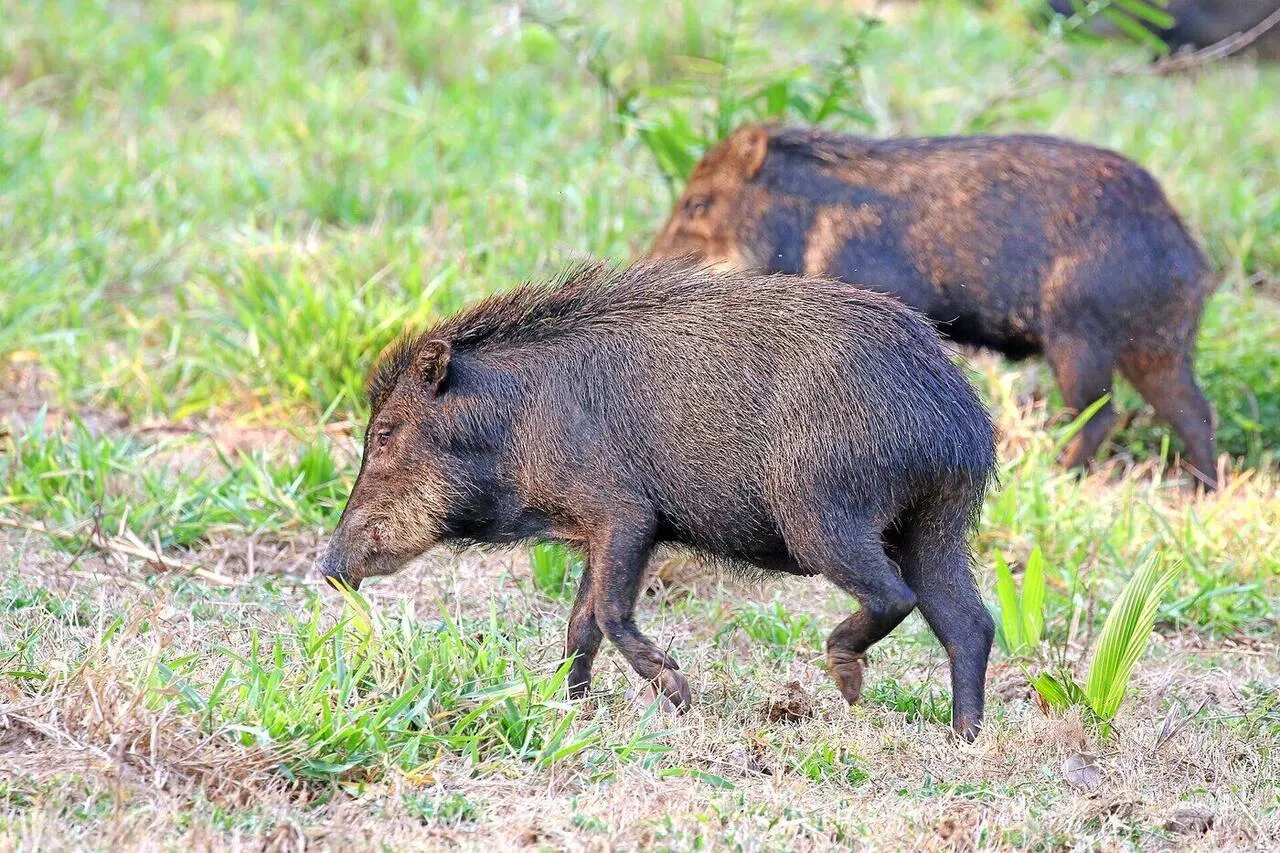
Panama's most social wild pig relative, moving through the forest in tight herds that can number in the dozens, clicking their teeth and grunting constantly to stay in contact.
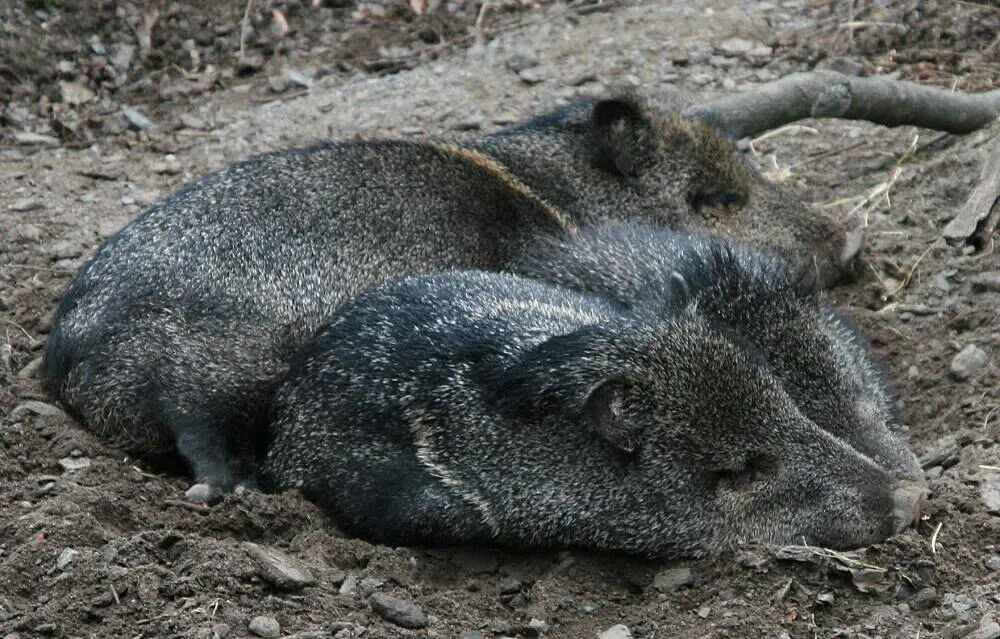
Smaller and far more adaptable than its white-lipped cousin, moving in modest family groups and comfortable foraging close to farmland edges — the peccary most likely to be seen near the cabins.
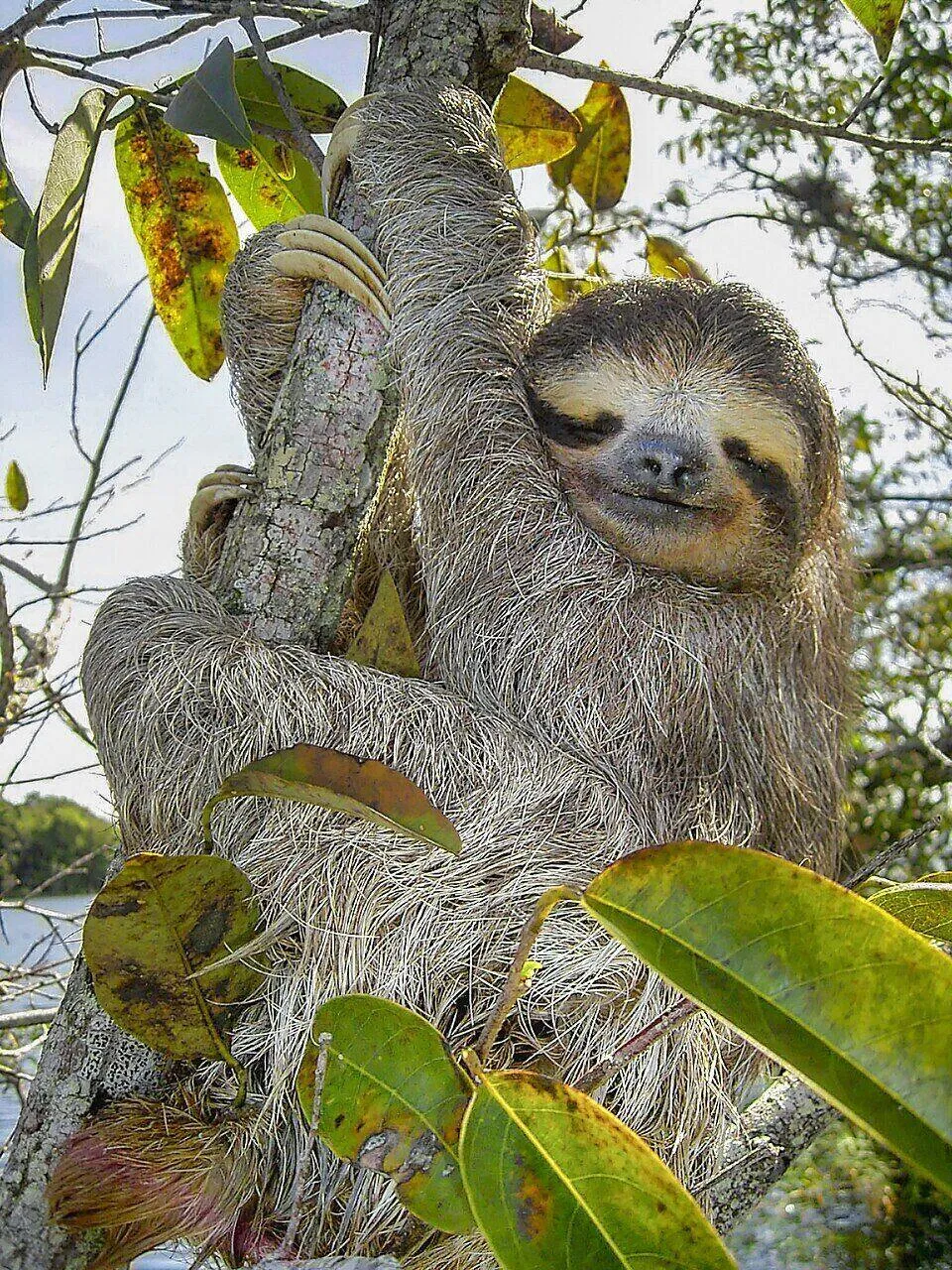
An almost exclusively arboreal leaf-eater, moving so slowly that algae grows in its fur. It descends to the ground roughly once a week, purely to defecate — one of the odder rituals in the animal kingdom.
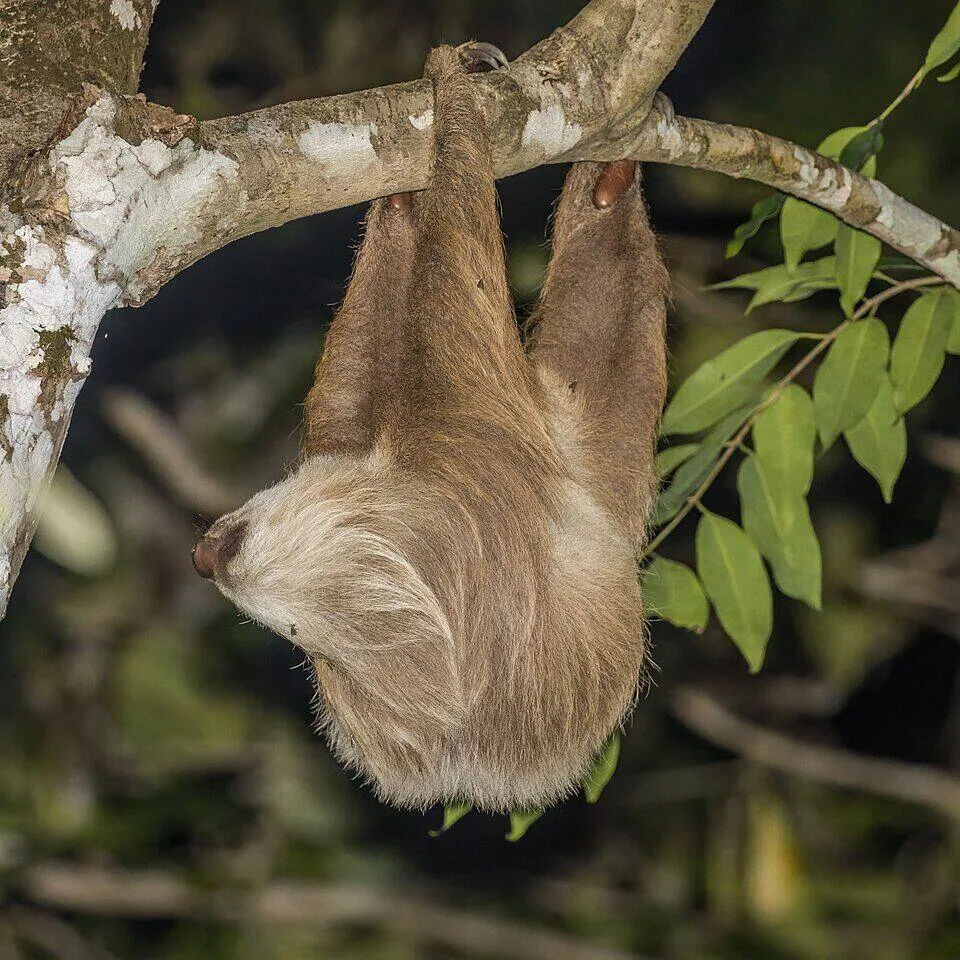
Faster-moving and more nocturnal than its three-toed cousin, with a broader diet that includes fruit, flowers, and even the occasional insect or small lizard.
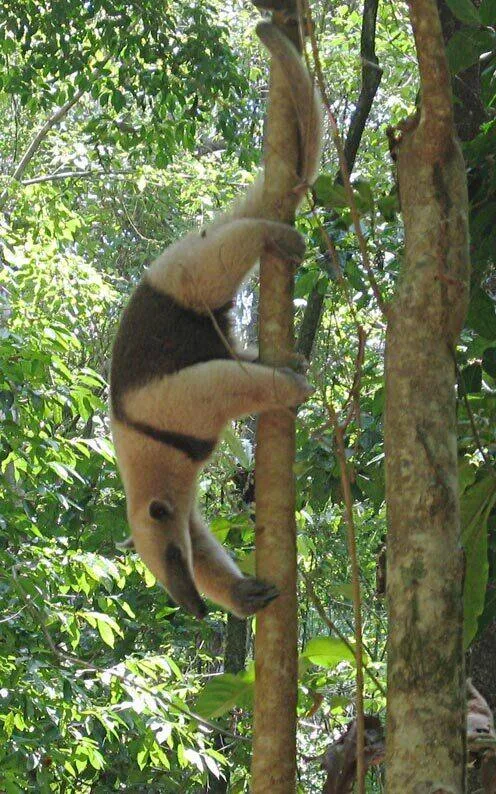
A tree-climbing anteater, solitary and mostly nocturnal, tearing open ant and termite nests with powerful curved claws and drawing prey in with a long, sticky tongue.
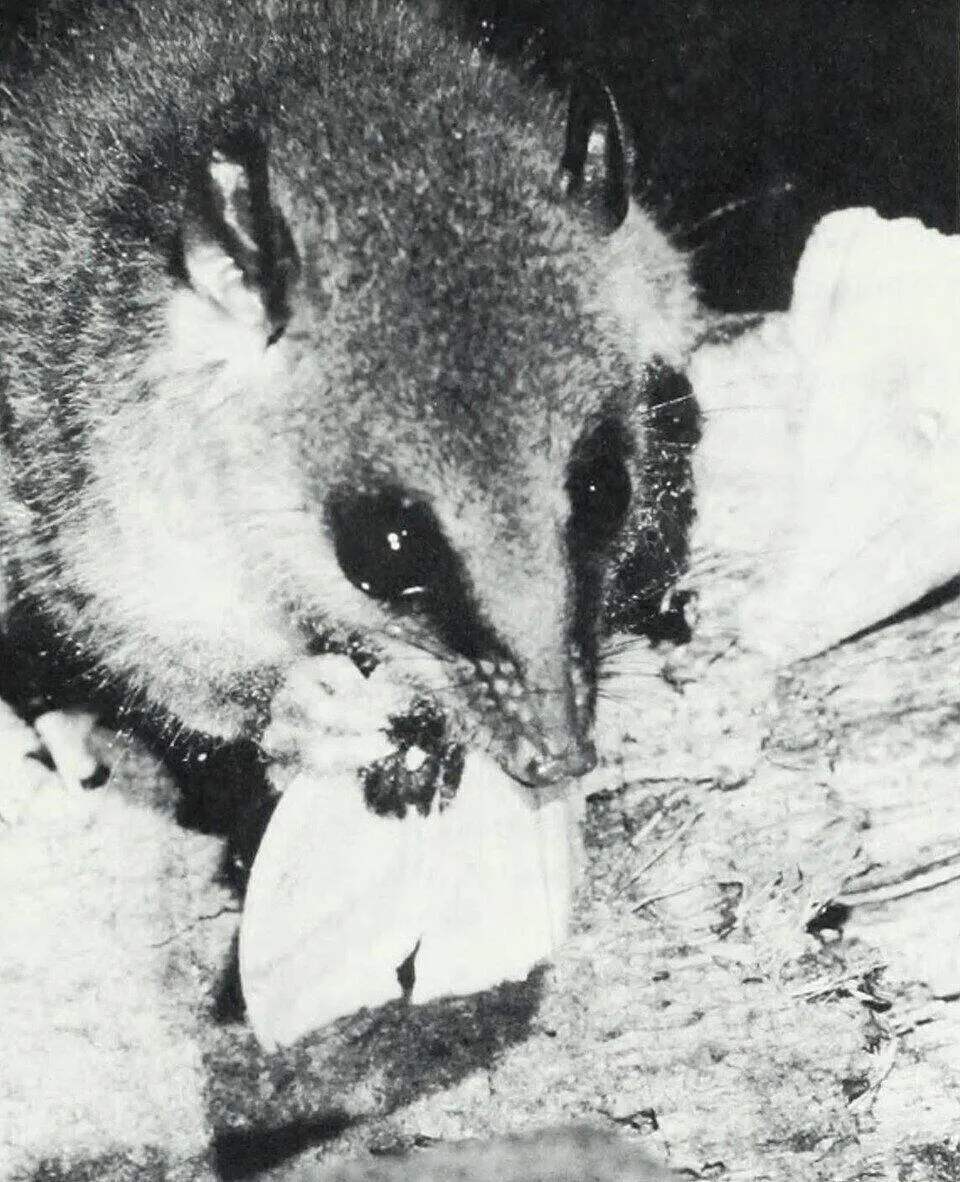
A small, nocturnal marsupial that nests in tree hollows and dense vine tangles, foraging alone through the mid-story. Rarely seen by day — more often detected by camera trap than by chance encounter.
At this elevation it's too cold for the fer-de-lance, the venomous snake most associated with Panama — that species keeps to Boquete town, some 700 metres lower. Up here, the pit vipers are smaller, greener, and live in the trees.
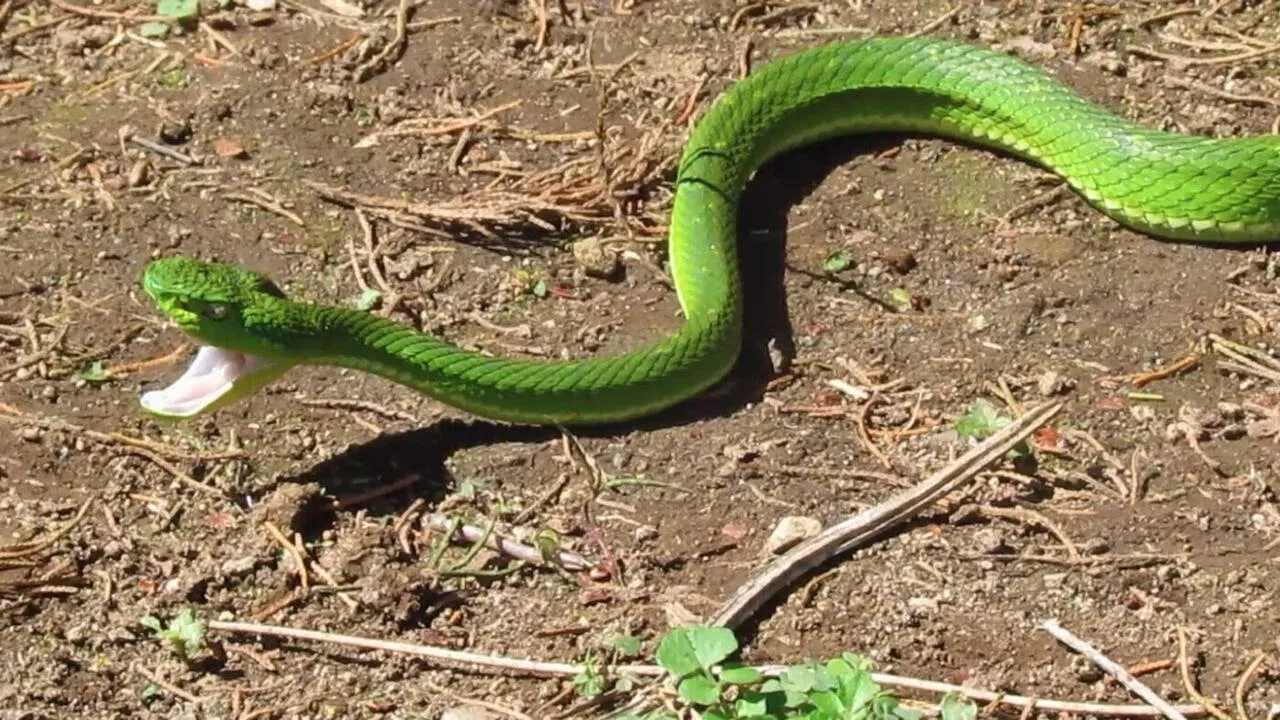
The local highland pit viper, named for its parrot-green colouring. Usually arboreal, coiled in foliage well above the ground, though it does come down — venomous, but shy, and rarely encountered up close.
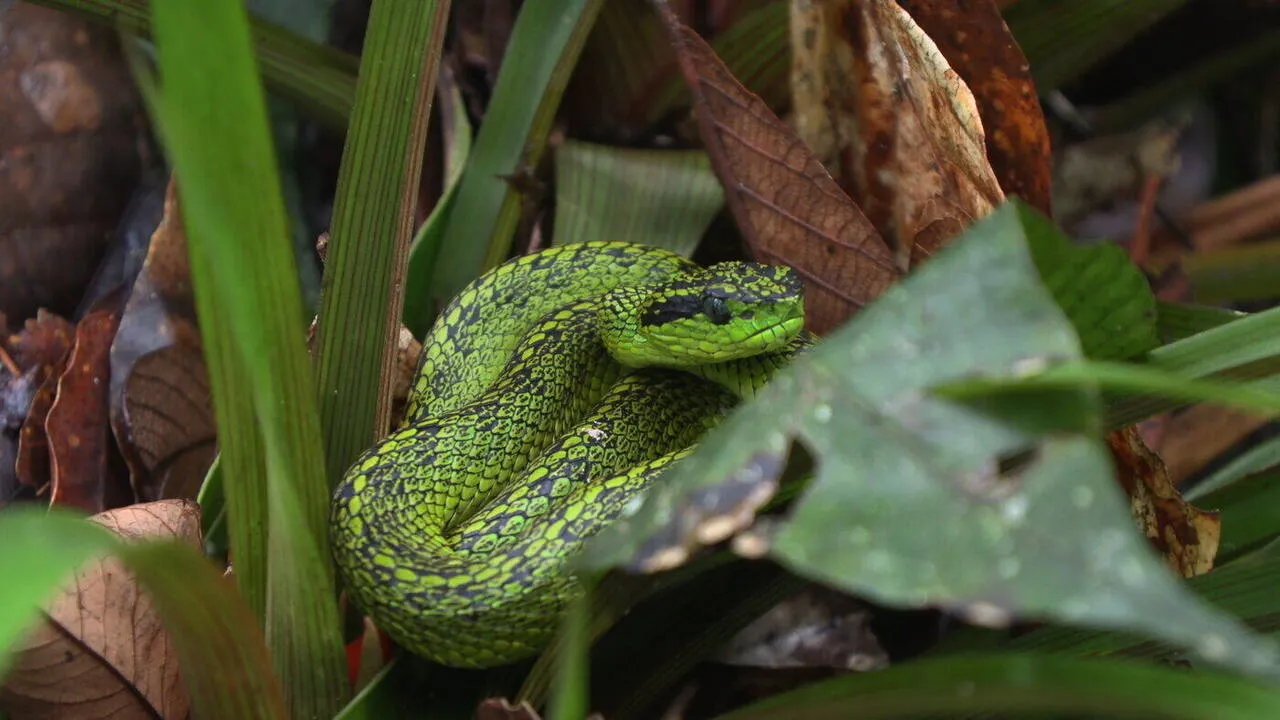
A cloud-forest specialist described only recently, found in the highest, mistiest reaches of the Talamanca range. Small, green, and arboreal like its lowland relatives — Pascal has photographed one on the property.
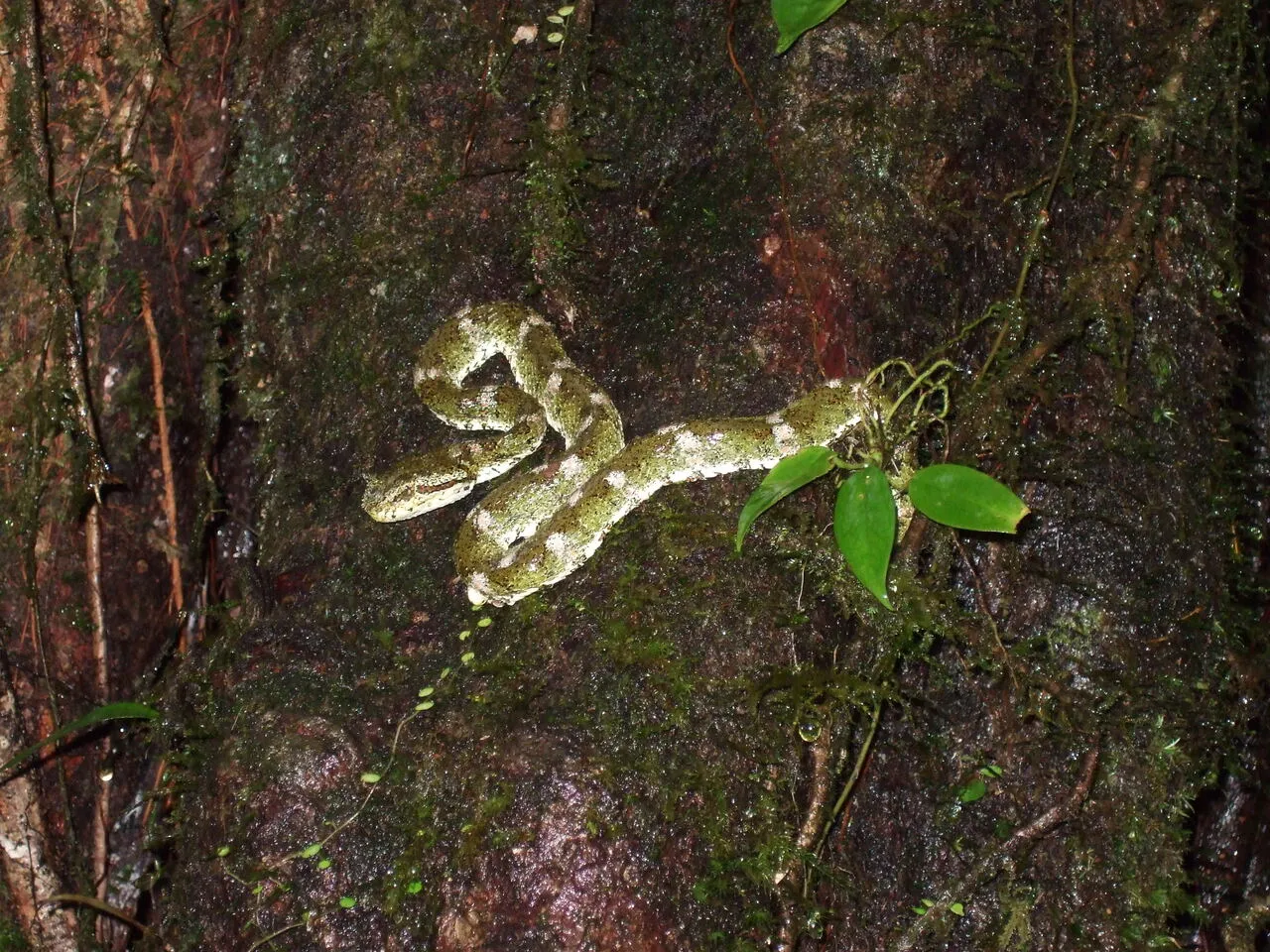
A close relative of the well-known Eyelash Viper, only recognized as its own species in a 2024 taxonomic revision. Mottled green and cream, coiled motionless against moss and bark, it's built to be missed entirely — until you notice it hasn't moved. Photographed right on the property.
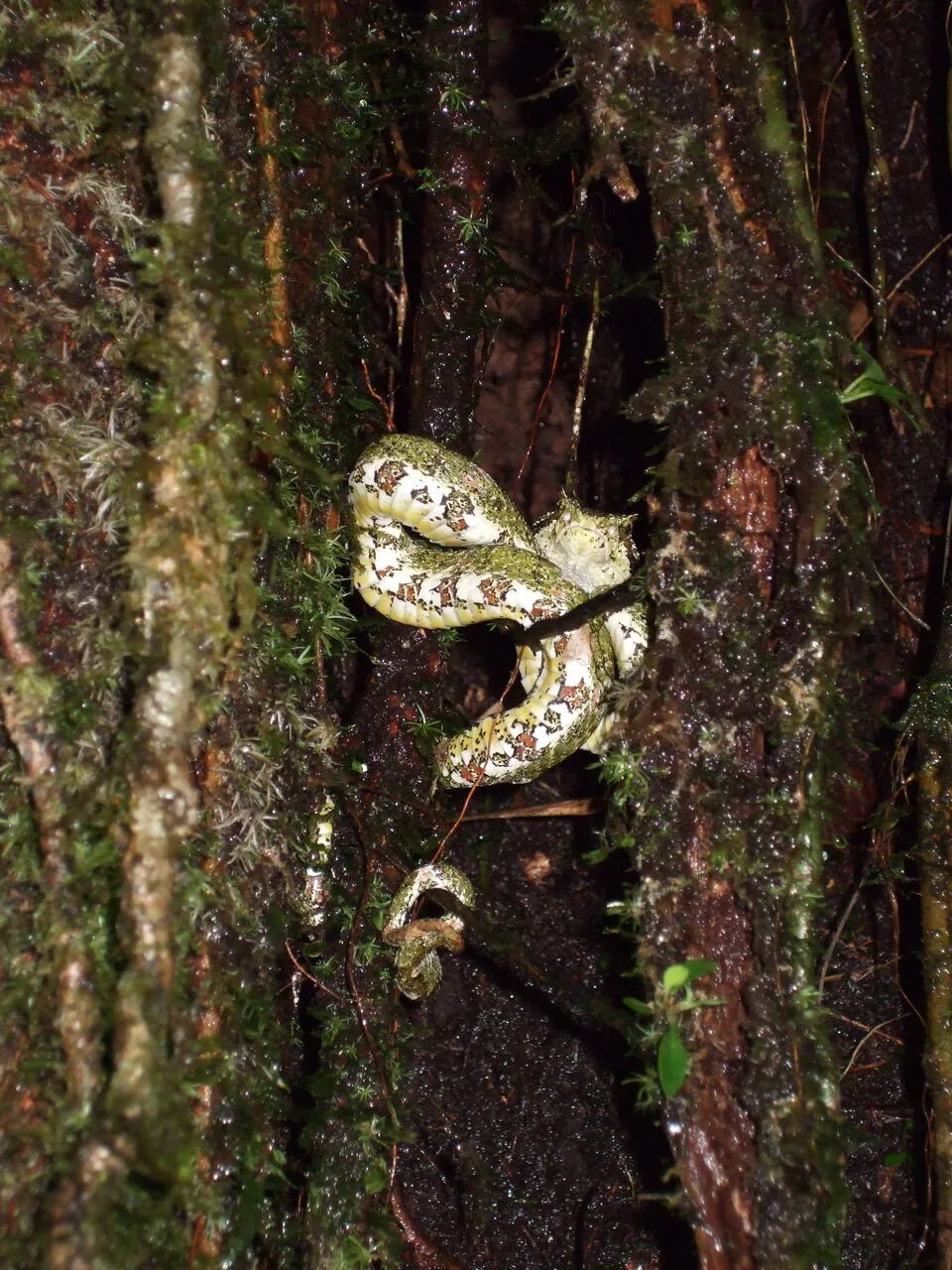
A second individual, photographed in the same stretch of forest — mottled green and cream, coiled motionless against moss and bark.
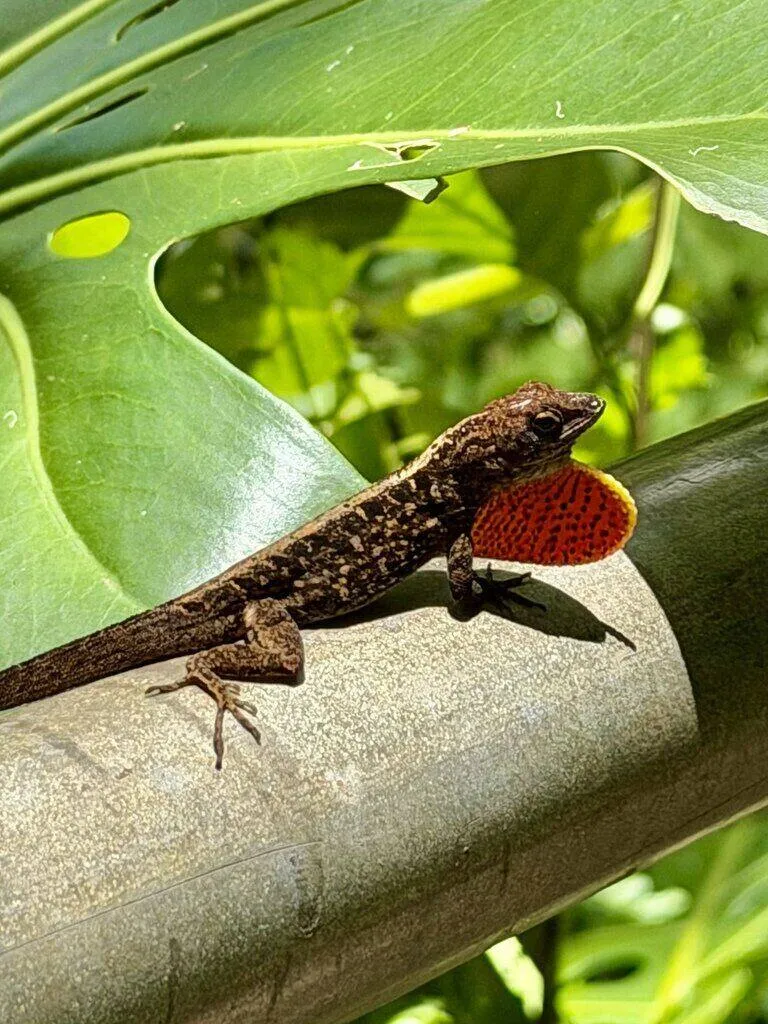
Small, quick lizards common on trees, walls, and railings throughout the farm, the males flashing a colourful throat fan (dewlap) to defend territory or attract a mate.
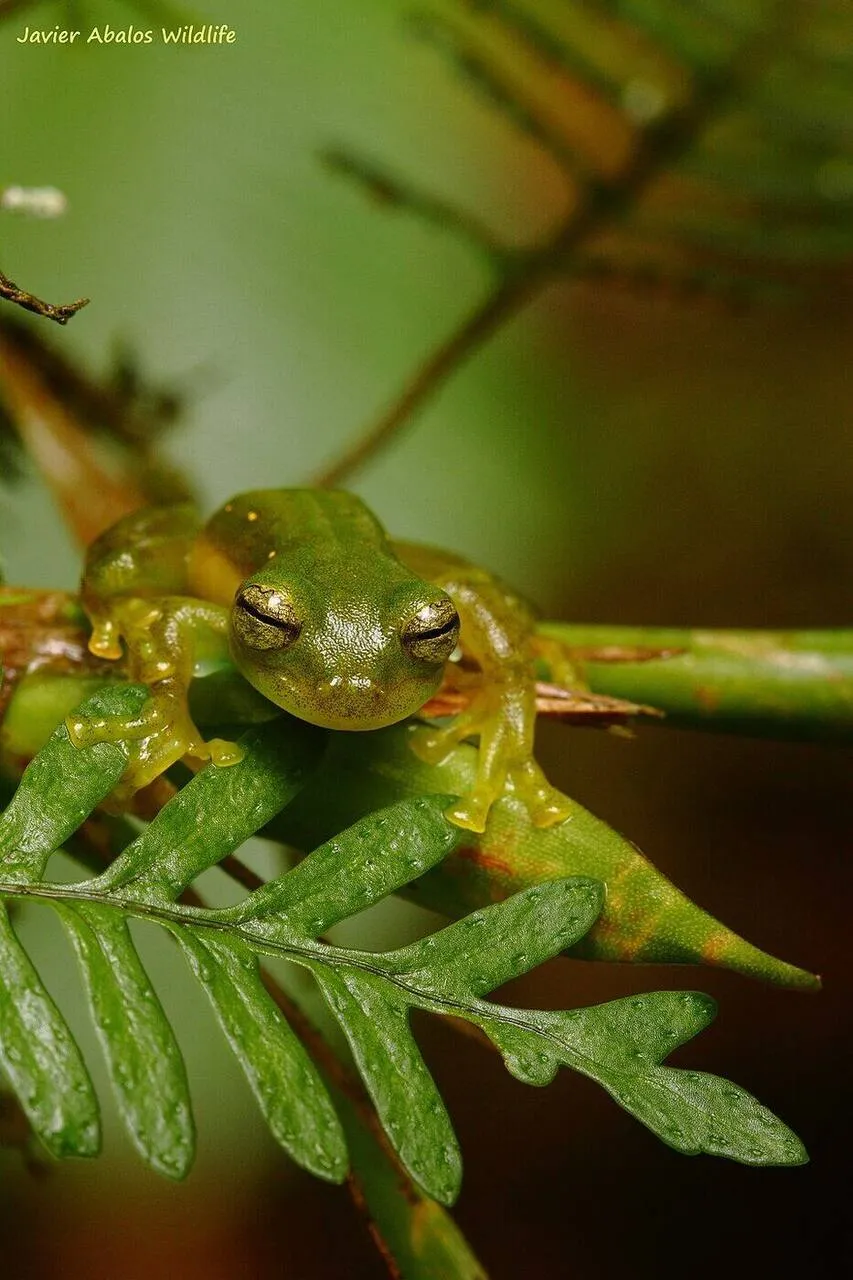
Pale green, translucent-skinned frogs of the forest streams — some species famously transparent enough to see their internal organs from below. Calls carry at night from vegetation overhanging water.
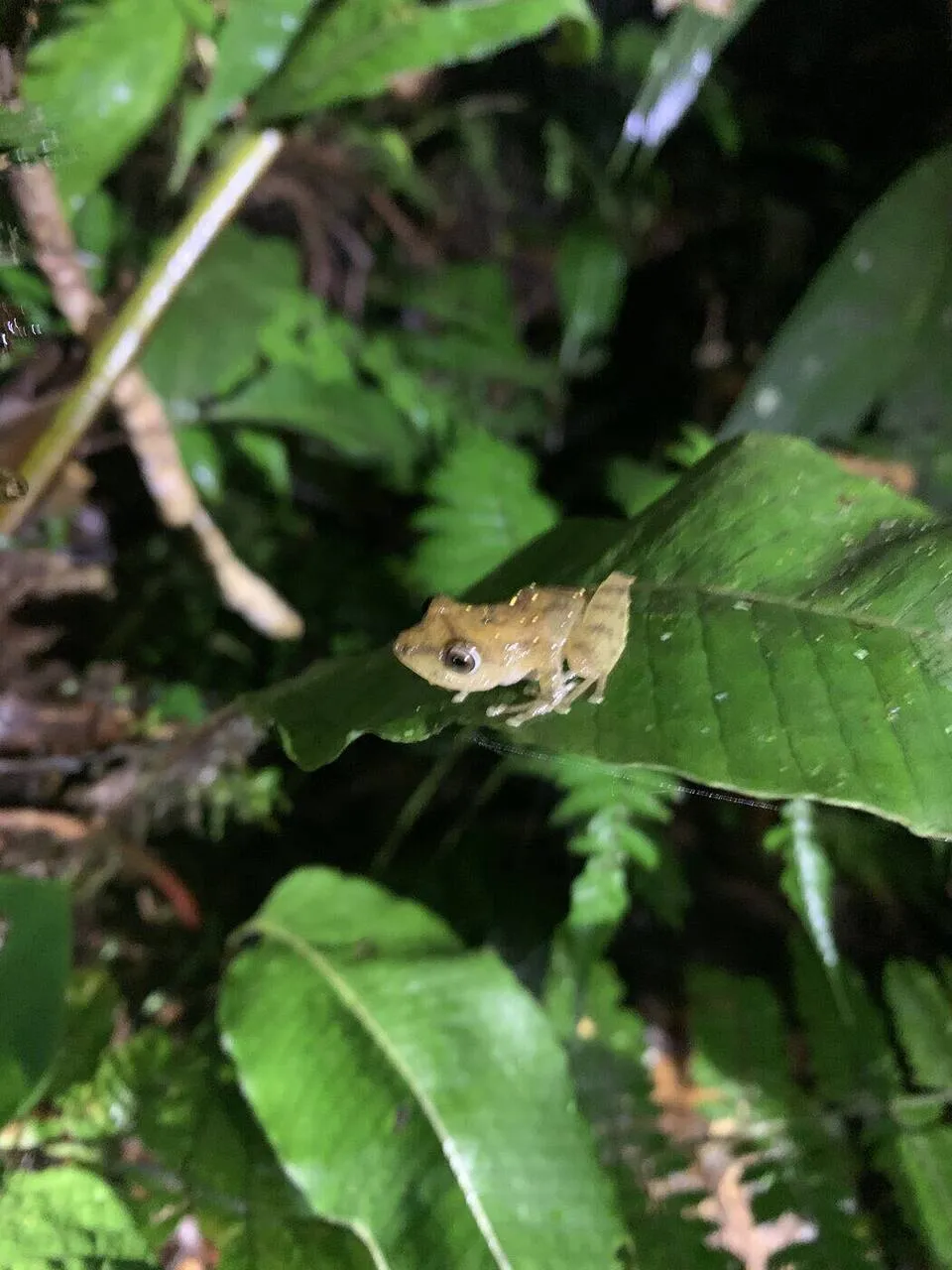
The cloud forest's night chorus — small, brightly patterned frogs calling from bromeliads and damp leaf litter after rain, most active in the cool, misty hours after dark. This one was found perched on a fern leaf at night, right on the property.
Endemic oaks that dominate the upper canopy, some reaching 50 metres — the structural backbone of this cloud forest, their branches the main scaffolding for the moss and epiphytes above.
The laurel family, rich in small wild avocado species, forms much of the mid-canopy — and is the reason the Resplendent Quetzal chooses this forest, since wild avocado fruit makes up almost its entire diet.
A tangled, shade-tolerant understory bamboo found through much of the property's wilder ground, giving cover to birds and small mammals moving low through the forest.
The Talamanca-Chiriquí highlands hold roughly 300 orchid species — one of the densest concentrations anywhere in the world, most growing as epiphytes on mossy branches rather than in the ground.
Ancient, slow-growing ferns that form a distinct sub-canopy layer, their fiddleheads unfurling into broad fronds — a signature silhouette of Talamancan cloud forest.
The constant mist keeps branches, trunks, and even fence posts draped in moss, lichen, and bromeliads — the same epiphyte load that gives the farm's older trees their shaggy, otherworldly look.
Photo credits: the wild cats, tapir, coati, agouti, deer, peccaries, sloths, tamandua, mouse opossum, anole, and glass frog are Creative Commons photos via Wikimedia Commons; the Talamancan palm-pitviper, white-faced capuchin, mantled howler monkey, La Lora, and highland tree frog are the farm's own photos, as are the four jaguar-track shots above.