Medicinal & Therapeutic Properties
Jiaogulan has been used for centuries in the folk medicine of southern China, where mountain communities drank it as a daily tonic and associated it with stamina and long life — hence nicknames like “immortality herb” and “southern ginseng.” Herbalists classify it as a true adaptogen — one of the more clearly recognized examples of the category, alongside ginseng and rhodiola — meaning it’s traditionally understood to help the body adapt to physical and mental stress rather than stimulate it outright. Its leaves contain gypenosides, compounds structurally similar to (and more numerous than) the ginsenosides found in ginseng, which is why the two plants are often compared. In traditional and modern herbal practice, jiaogulan is commonly used to support resilience to fatigue and stress and as part of general wellness routines, with some traditional and preliminary research also associating it with support for healthy circulation, healthy cholesterol levels, and antioxidant activity. Because of its effect on circulation, it’s traditionally advised that anyone on blood-thinning medication check with their doctor before regular use.
This information is for educational purposes only and reflects traditional and commonly documented uses of this plant. It is not medical advice and does not replace the guidance of a qualified healthcare professional. Always consult your doctor before using any plant medicinally, especially if pregnant, nursing, or taking medication.
Culinary Interest
Jiaogulan’s most popular everyday use is as a brewed tea, which is why it’s sometimes called “sweet tea vine” throughout Asia. Fresh or dried leaves are steeped in hot water for a few minutes, and the leaves can typically be re-infused two or three times before losing flavor. The taste is often described as mildly sweet and grassy, with a vegetal, faintly cucumber-like note (a nod to its place in the gourd family) balanced by a light bitterness and a subtle licorice-like finish. It’s the base of our morning tea blend, alongside nettle and rosemary, and can be customized with a touch of honey. Beyond the cup, young tender leaves are sometimes tossed into salads for a mild green flavor, though tea remains by far its most common culinary role.
Where to Find It in Panama
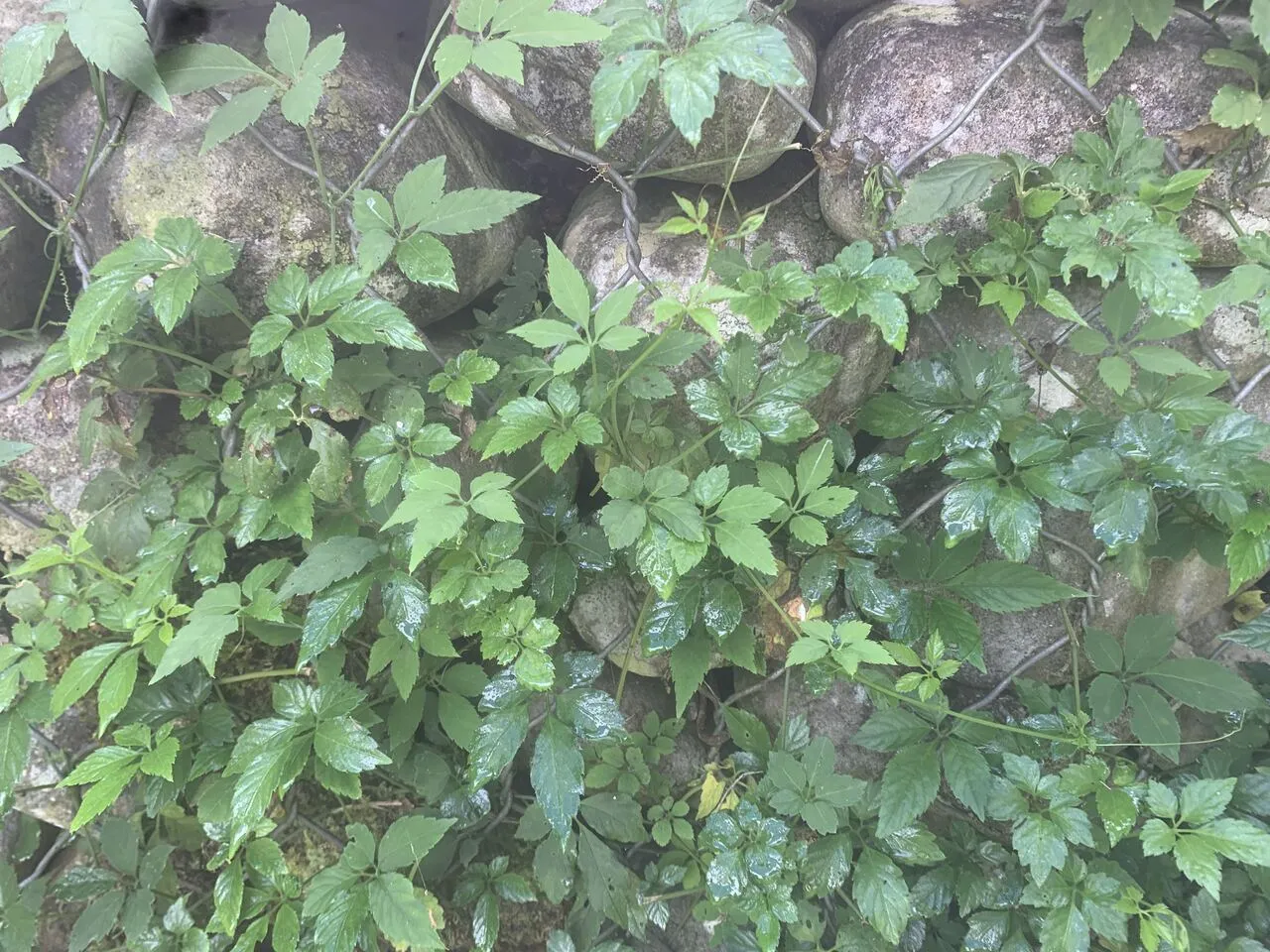
Jiaogulan is a mountain vine native to shaded, humid forests across East and Southeast Asia, and it’s genuinely hard to find growing anywhere in Panama. It thrives at Wild on the Farm, Boquete Cloud Forest Lodge, thanks to our cloud forest’s unusually cool, misty microclimate at 1,800 metres, which stays mild year-round and closely mirrors jiaogulan’s native mountain habitat — one of the few places in the country where it grows at all, and here it thrives as a lasting perennial.
This article is © Wild on the Farm, Boquete Cloud Forest Lodge. All rights reserved — it may not be reproduced, republished, or redistributed without prior written permission. Read our full legal notice →