Medicinal & Therapeutic Properties
Nettle is one of the most widely relied-upon plants in European herbal tradition, valued above all for its remarkable mineral density — it’s traditionally regarded as a remineralizing tonic, rich in iron, silica, and other trace minerals, which is why herbalists have long recommended it for general fatigue and for supporting healthy blood. Some herbalists also describe it in adaptogen-like terms: less a classic adaptogen than jiaogulan, but valued as a deep, restorative tonic that helps the body recover from prolonged stress and depletion rather than offering a quick lift. The leaf is commonly infused as a daily tea for people prone to joint stiffness and achy, inflamed joints, and it has a long folk history of use during hay-fever season, taken as an infusion in the weeks leading up to and during pollen season to ease seasonal sniffles. Traditional use also extends to skin conditions such as eczema and to easing chronic, tension-related headaches. Nettle root, prepared as a decoction, has traditionally been used to support prostate and urinary comfort in older men, and the seeds are regarded by some contemporary herbalists as a gentle kidney and adrenal tonic. As with any herbal remedy, nettle is a traditional support rather than a treatment for any diagnosed condition, and stinging fresh material should never be applied directly to skin or ingested raw.
This information is for educational purposes only and reflects traditional and commonly documented uses of this plant. It is not medical advice and does not replace the guidance of a qualified healthcare professional. Always consult your doctor before using any plant medicinally, especially if pregnant, nursing, or taking medication.
Culinary Interest
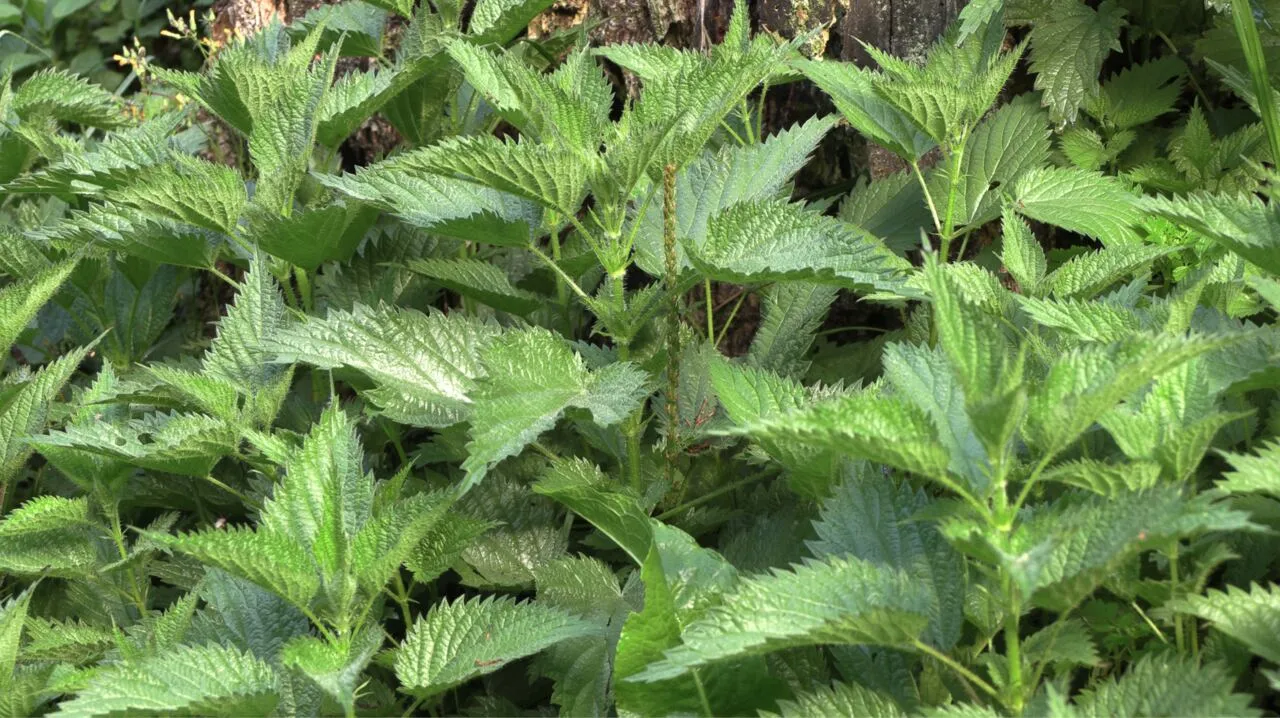
Once cooked, dried, or blanched, nettle loses its sting entirely and becomes a genuinely delicious wild green, often compared to spinach but with a slightly nuttier, more mineral-rich flavor. Only the young, tender top leaves and shoots should be harvested for the table — best gathered in spring before flowering, using gloves. The classic preparation is nettle soup, a rustic favorite across many European cuisines, where the leaves are wilted down and blended into a silky, deep-green potage — the same soup you’ll find on our Farm Products page. Nettle also makes an excellent pesto, standing in for basil, and can be folded into omelets, savory pancakes, or risottos. Dried leaves brew into an earthy, faintly grassy herbal tea — the base of our morning blend, alongside jiaogulan and rosemary.
Tea blends — buy direct from the farm → Nettle soup — buy direct from the farm →
Where to Find It in Panama
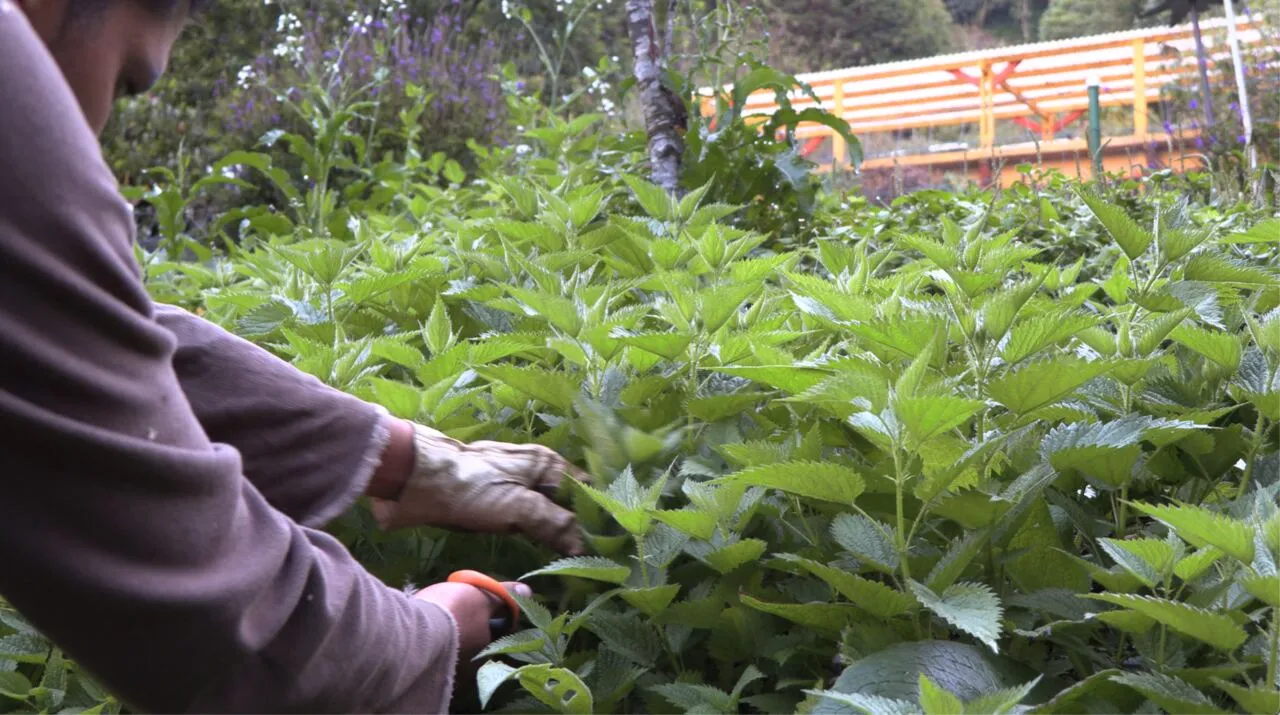
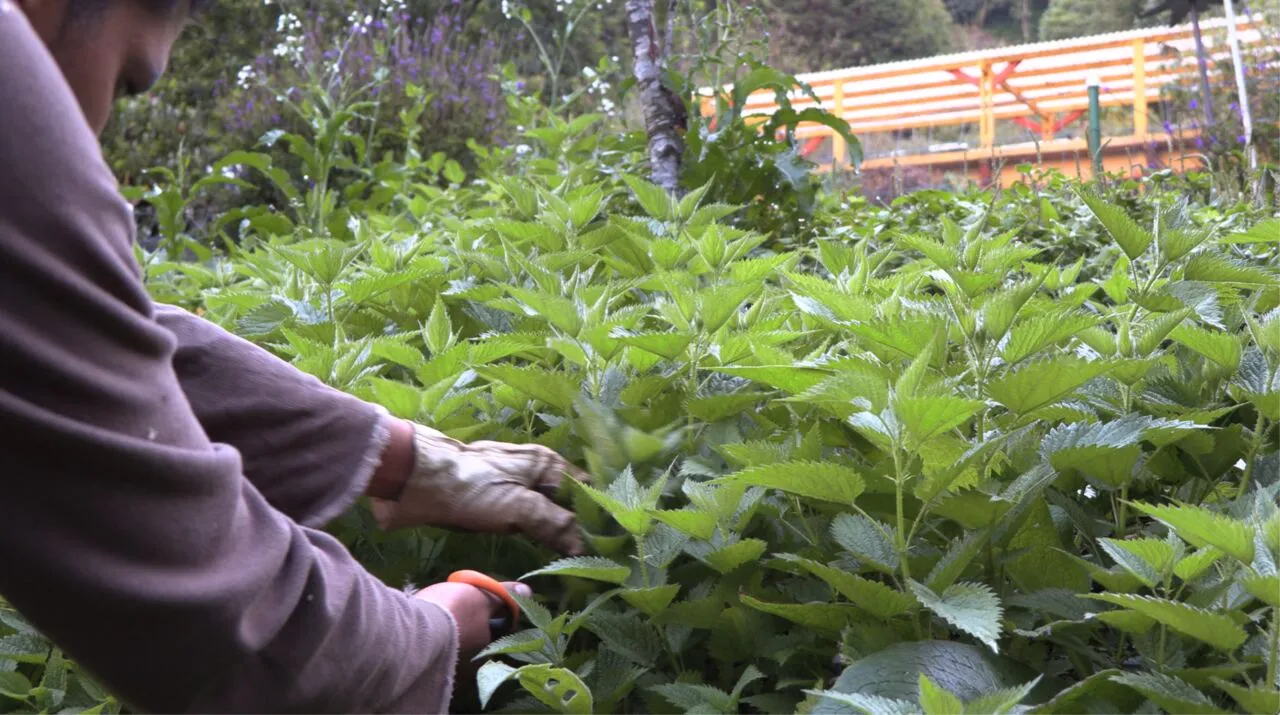
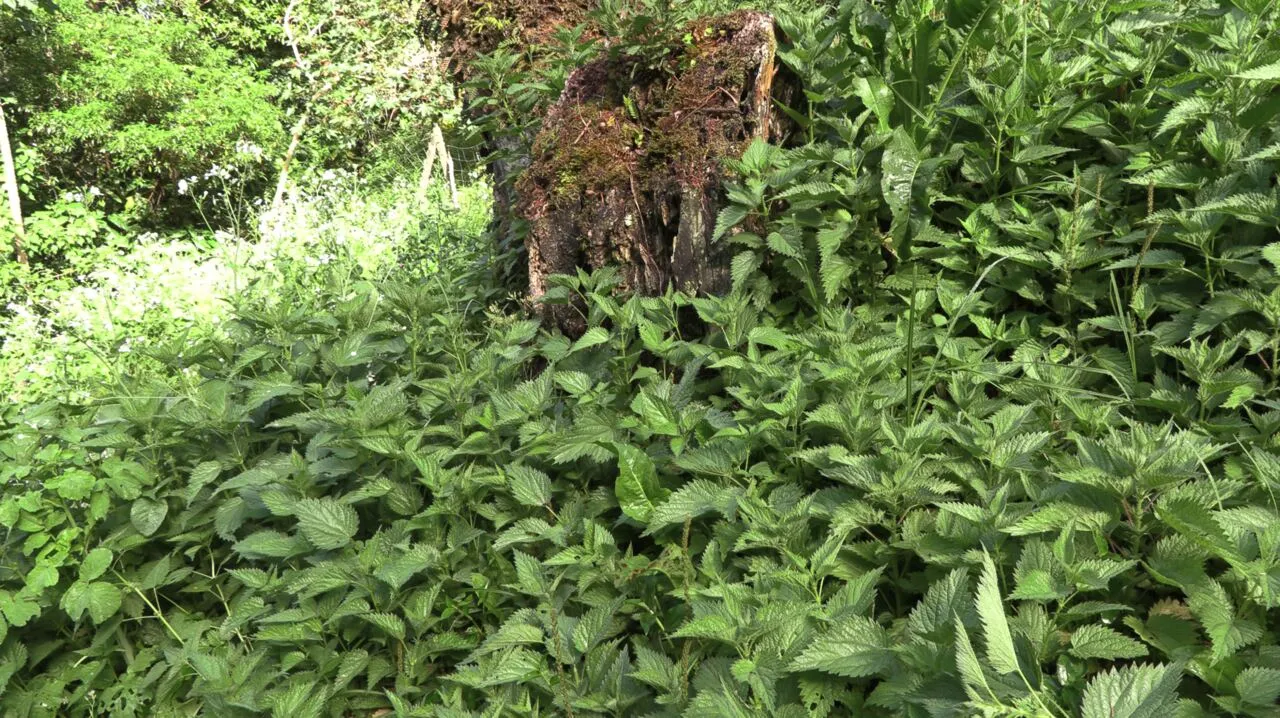
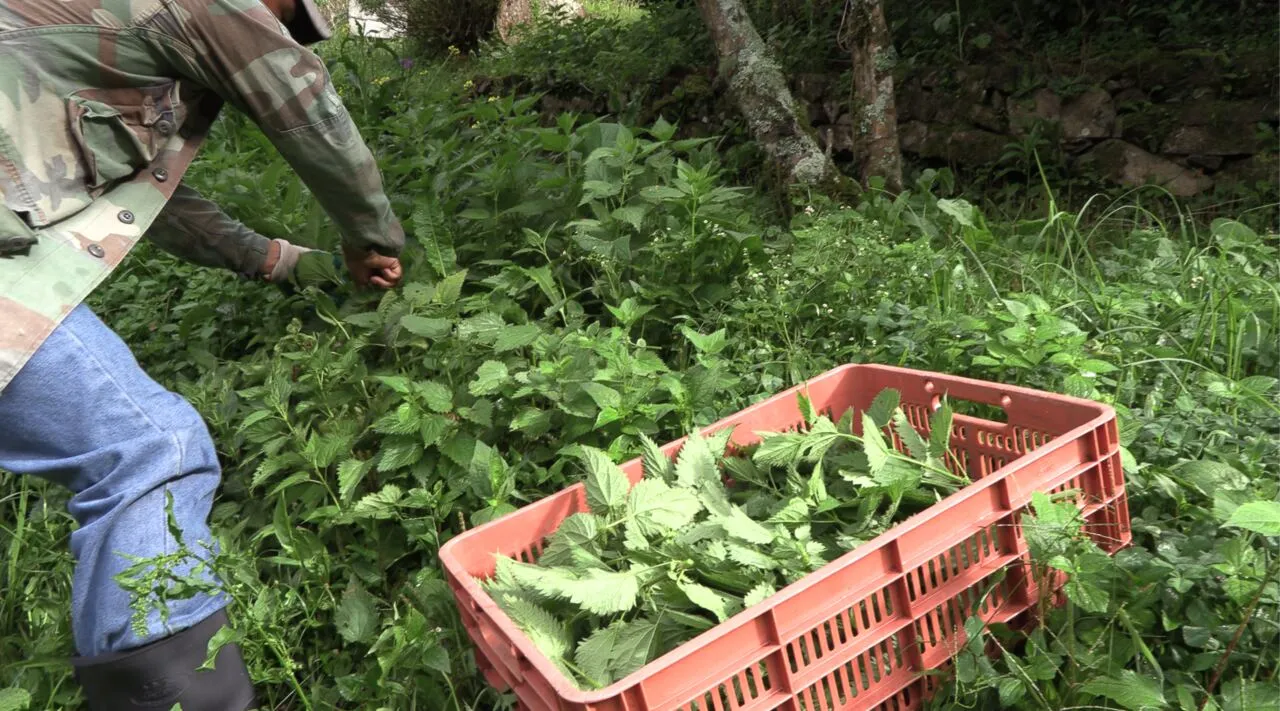
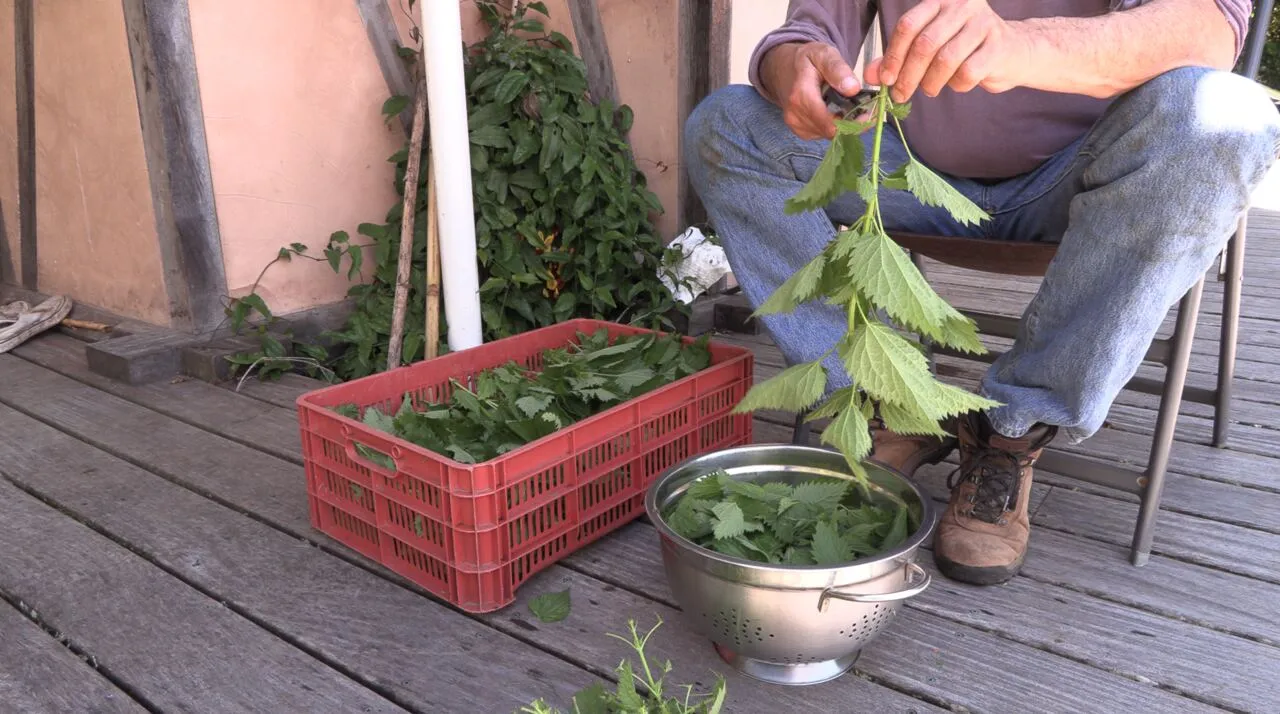
Nettle is a temperate-climate plant, and it’s genuinely hard to find growing anywhere in tropical Panama. It thrives at Wild on the Farm, Boquete Cloud Forest Lodge, thanks to our cloud forest’s unusually cool microclimate at 1,800m, which stays mild year-round — the cool nights, frequent mist, and rich volcanic soils mimic the conditions it enjoys in its native temperate range, making our small corner of Boquete one of the few places in the country where it grows at all. We harvest young shoots and top leaf pairs continually through the growing season — for the kitchen, the tea blends, and our 18-year garden fertilizer.
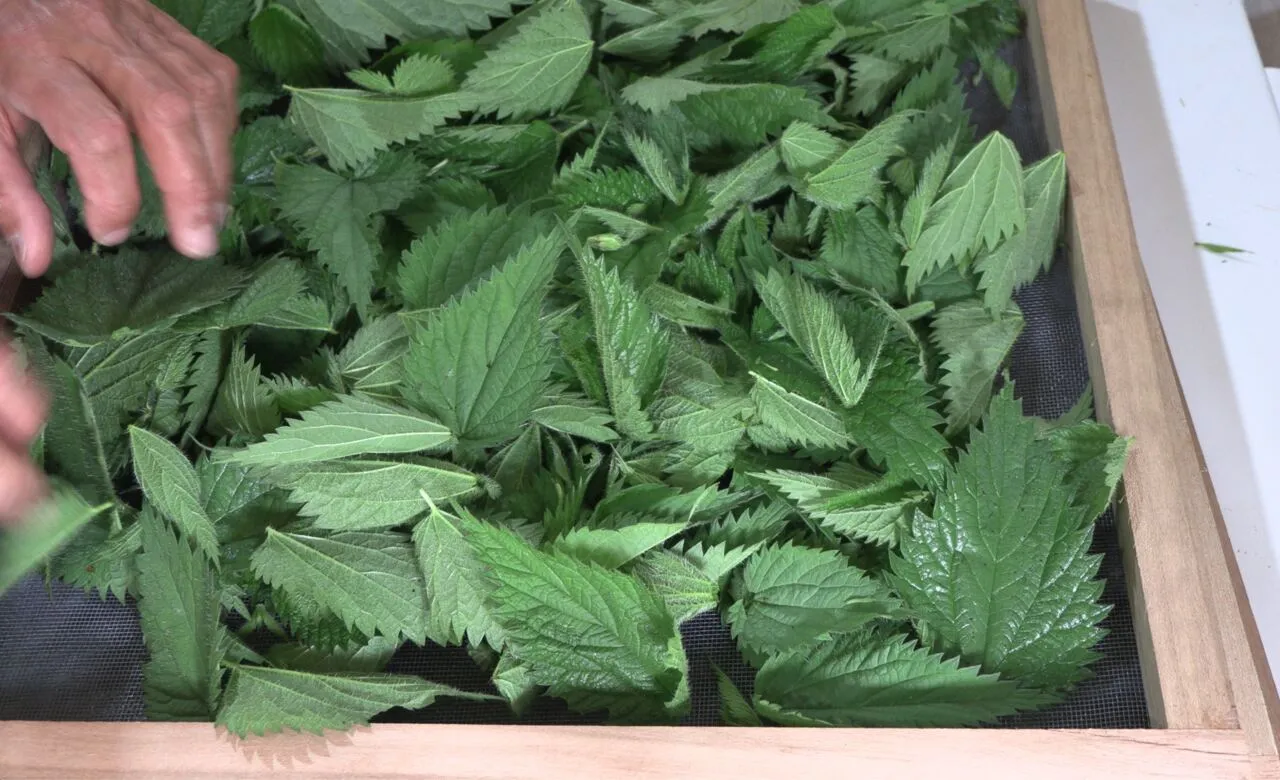
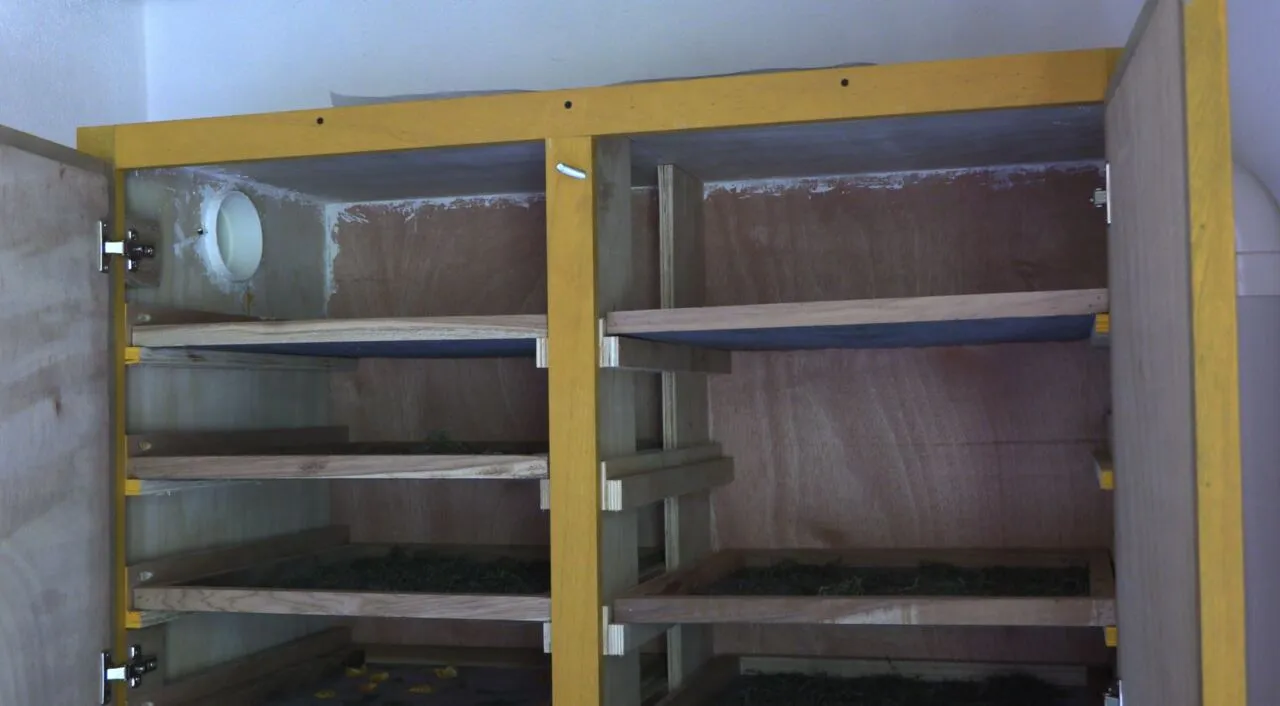
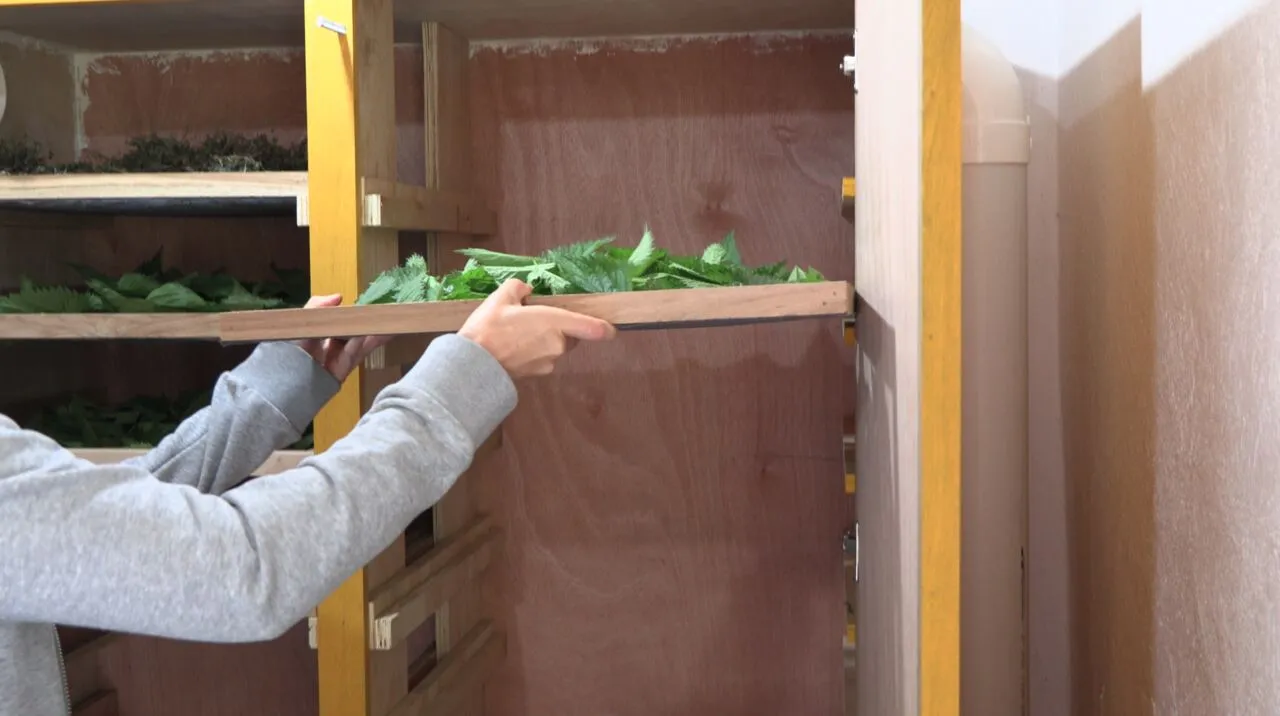
From Harvest To Drying
Picked by hand, dried on the farm.
This article is © Wild on the Farm, Boquete Cloud Forest Lodge. All rights reserved — it may not be reproduced, republished, or redistributed without prior written permission. Read our full legal notice →