Nutritional Properties & Benefits
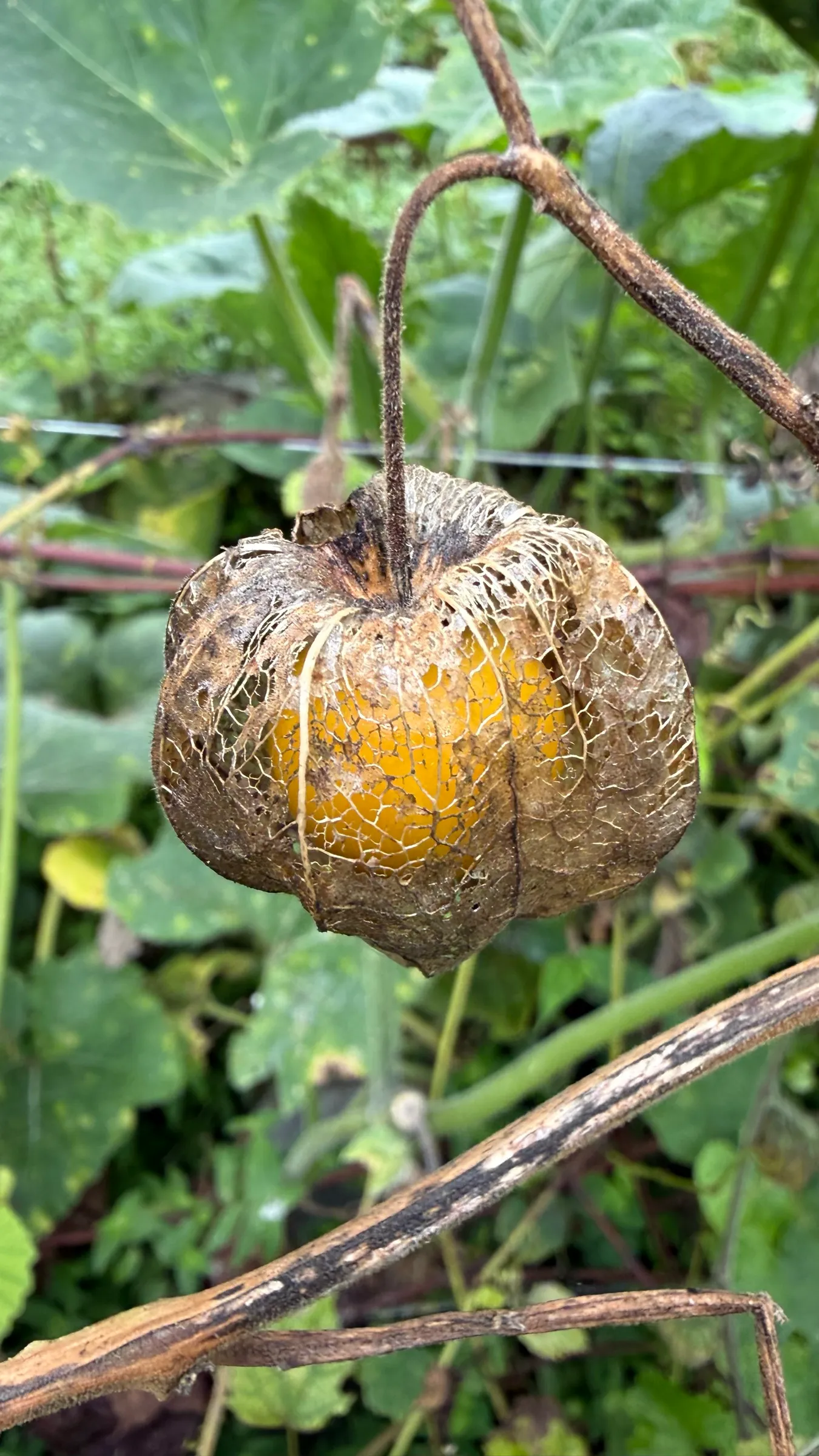
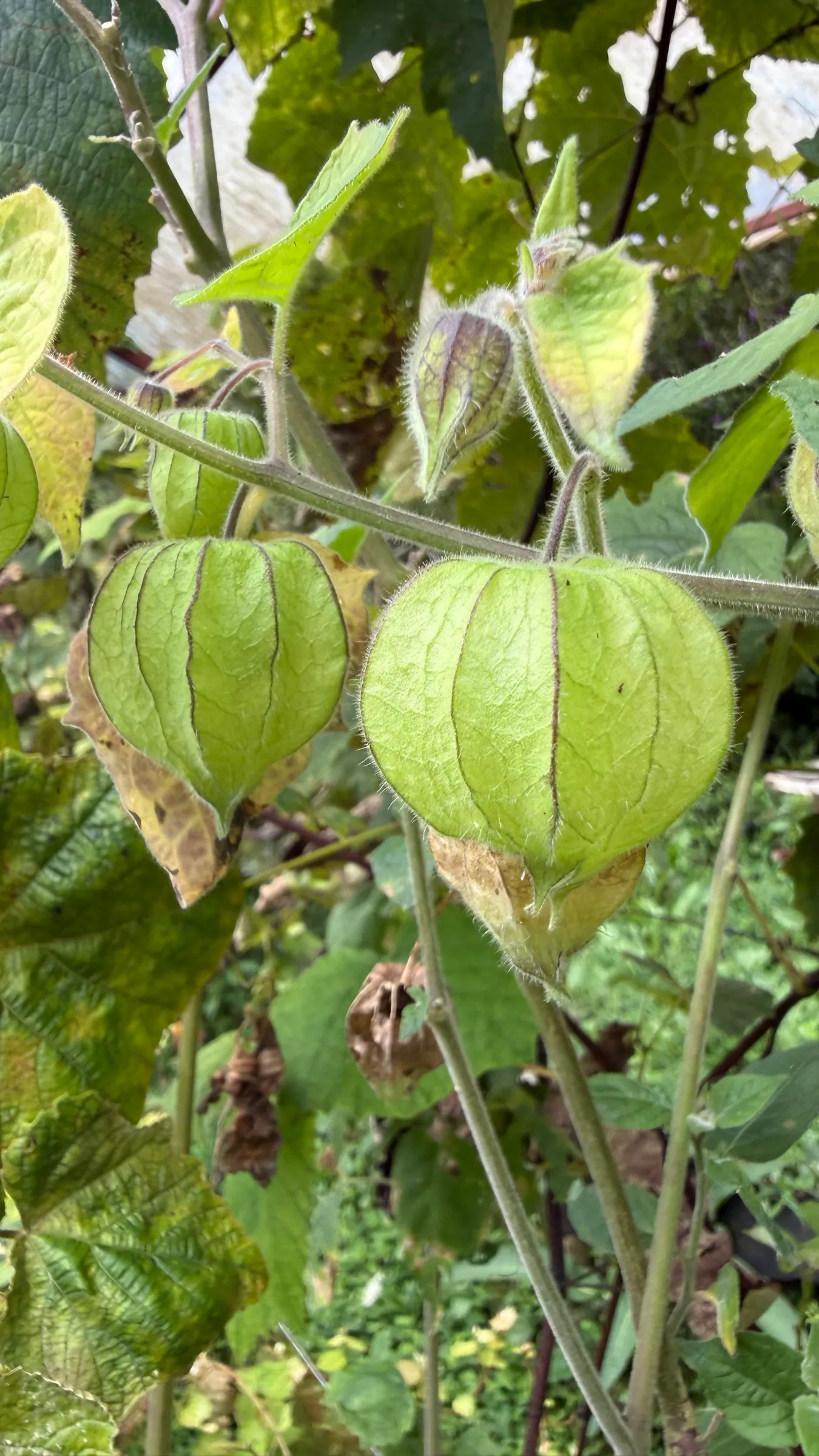
Uchuva (Physalis peruviana) has almost as many names as countries where it grows: uchuva in Colombia, aguaymanto in Peru, uvilla in Ecuador, physalis, goldenberry, Cape gooseberry, or, in France, amour en cage — “love in a cage” — after the calyx that wraps the fruit like a little lantern. This orange berry, the size of a large cherry, is rich in vitamin C and in provitamin A in the form of carotenoids, and also provides B vitamins, iron, phosphorus, and fiber. It contains compounds specific to the genus Physalis as well — withanolides and physalins — studied in the lab for their anti-inflammatory properties; promising research, but still a long way from confirmed applications in humans. One important caution: like many nightshades, the plant contains alkaloids in its leaves, stems, and unripe green fruit, which must not be eaten. Only fully ripe fruit — golden orange, with a dry, papery calyx — is edible.
This information is for educational purposes only and reflects traditional and commonly documented uses of this plant. It is not medical advice and does not replace the guidance of a qualified healthcare professional. Always consult your doctor before using any plant medicinally, especially if pregnant, nursing, or taking medication.
How to Eat It
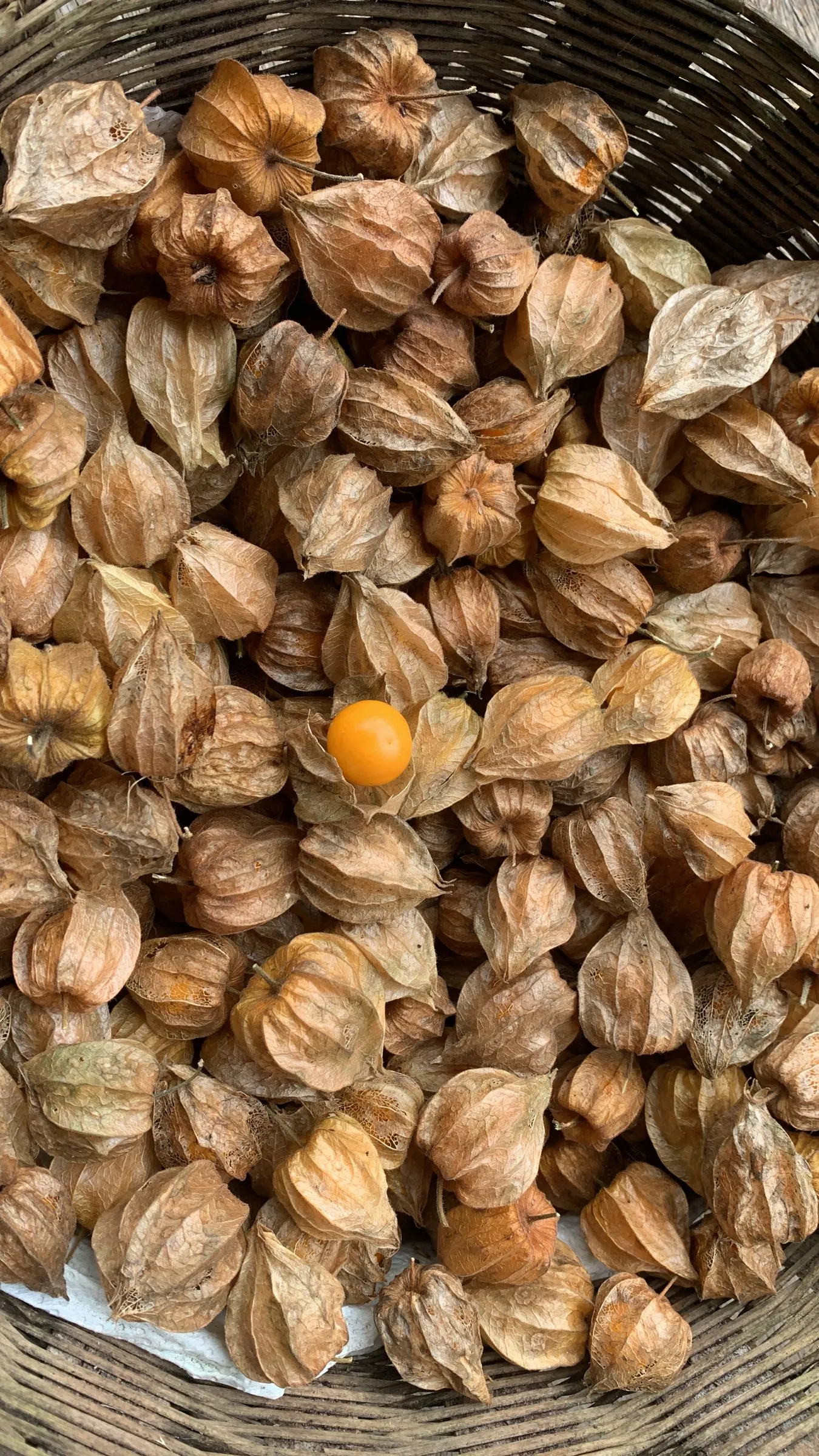
Uchuva is eaten above all fresh, slipped out of its lantern at the last moment. Its flavor is a surprise: tart and sweet at once, with notes that recall cherry tomato, pineapple, and mango. Eat it as it is, add it to a fruit salad, or use it to decorate desserts, the calyx folded back like petals above the fruit — which is how you often see it in European pastry shops. In the Andes, it’s readily turned into jams, syrups, and sweet-and-sour sauces served with grilled meats; in Peru, aguaymanto is also enjoyed dried, like a tart raisin. It pairs beautifully with dark chocolate — dipped in melted chocolate while you hold it by the calyx, it becomes a spectacular treat — and brings a lovely acidity to savory salads, with arugula and fresh cheese. Kept in its calyx, it stores for several weeks somewhere cool.
How to Grow It Organically
Uchuva is a generous, undemanding perennial that can produce for several years — its main requests are space and some support.
- Sow in a nursery. The tiny seeds germinate in two to three weeks in warm seed compost; transplant the seedlings when they reach about fifteen centimeters. Stem cuttings work very well too.
- A vigorous bush that needs staking. The plant can reach a meter to a meter and a half high and as wide; a stake or light trellis keeps fruit-laden branches from collapsing onto the ground.
- Well-drained soil, not too rich. Soil too rich in nitrogen gives lush foliage at the expense of fruit; a moderate helping of compost is enough.
- A harvest spread over time. The first fruit appears four to five months after planting, then the plant flowers and fruits continuously. Harvest when the calyx is dry and straw-colored — ripe fruit often drops to the ground by itself.
- Maintenance pruning after the big harvests, to open up the plant and encourage new fruiting shoots.
- Few serious pests, apart from the odd caterpillar or stink bug; in very humid climates, good air circulation limits fungal diseases on the dense foliage.
Uchuva in Our Garden
Uchuva doesn’t need acclimatizing to Horqueta: here it finds, almost identically, the conditions of its native mountains. Physalis peruviana grows naturally in the Andes, generally between 1,500 and 3,000 meters above sea level, in cool, humid, frost-free climates — exactly the profile of Boquete’s cloud forest at 1,800 meters. Colombia, the world’s leading producer, grows it precisely in its highlands. On the farm it’s an almost self-sufficient crop: once settled on a sunny terrace, it produces for months without asking for much more than a stake and regular picking. It also tends to reseed itself from fruit that falls to the ground — young plants often appear by themselves around the mother plant, easy to transplant elsewhere.
Good Companions
- Low aromatic herbs (basil, parsley). They enjoy the light shade of the bush and attract beneficial insects.
- Nectar-rich flowers (marigold, borage). They attract pollinators, useful for fruit set, even though uchuva is largely self-fertile.
- Legumes as the previous crop, which enrich the soil with nitrogen in moderation, without excess.
Plants to Avoid
- Other nightshades right next to it (tomato, potato, eggplant, tree tomato, naranjilla). They share the same diseases and pests; it’s better to space them out and alternate them in rotation.
- Fennel, for its general allelopathic effect.
- Low crops that need full sun, which the dense foliage of a mature uchuva could shade.
Good to Know
- In France it’s called “love in a cage.” A poetic name for a fruit enclosed in its calyx as if in a little paper cage.
- It’s in the same family as the tomato. Like tomato, potato, and naranjilla, uchuva is a nightshade — its closest cousin is the Mexican tomatillo, used in salsa verde.
- Its calyx protects it for weeks. Kept in its lantern, the berry stores far longer than once it’s been husked.
- It travelled the world in the 19th century. Introduced to South Africa, where it’s known as the Cape gooseberry, then to Australia and India, it’s now grown on almost every continent.
This article is © Wild on the Farm, Boquete Cloud Forest Lodge. All rights reserved — it may not be reproduced, republished, or redistributed without prior written permission. Read our full legal notice →