Nutritional Properties & Benefits
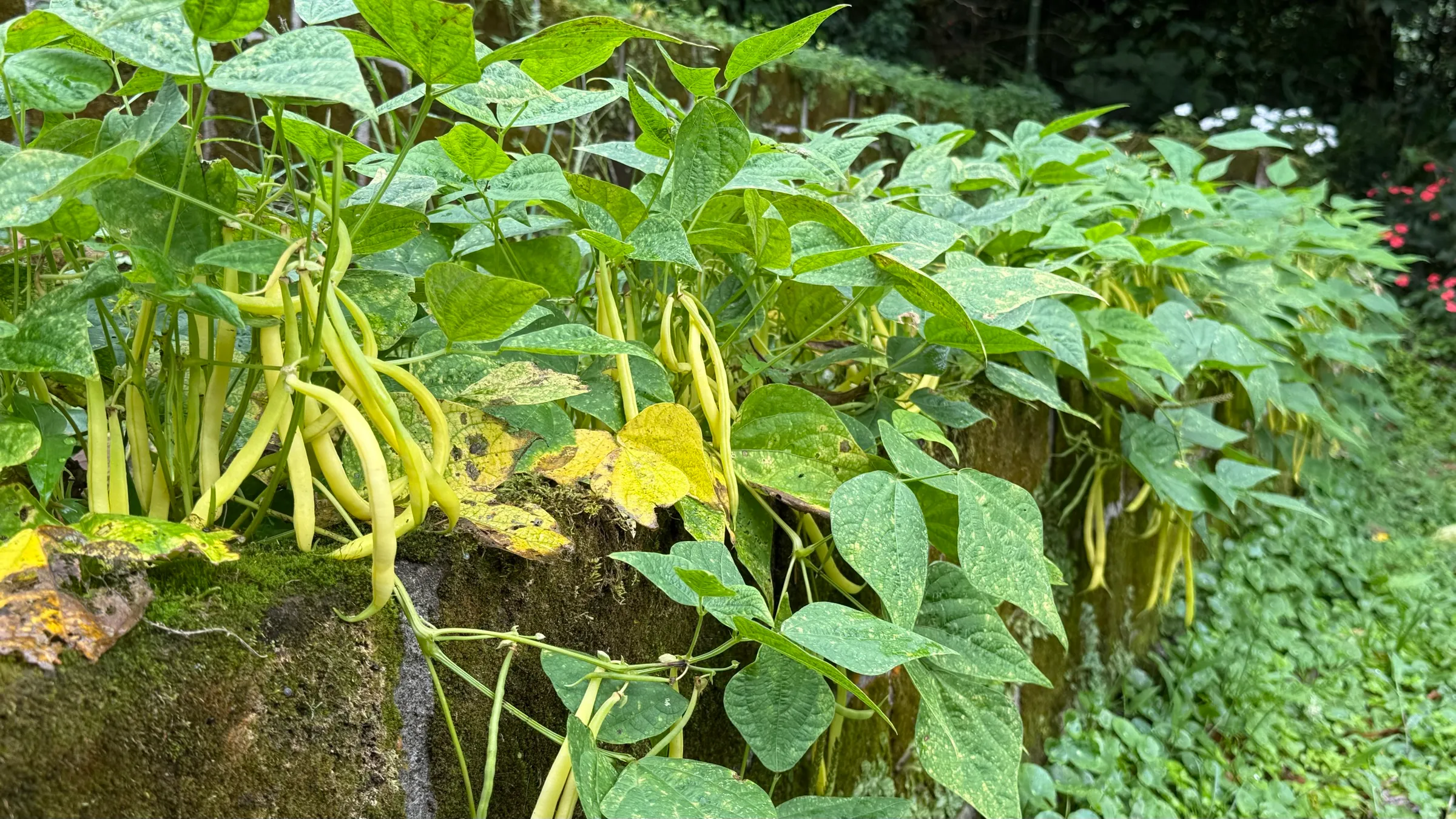
The yellow bean, or wax bean (Phaseolus vulgaris), belongs to exactly the same species as the green bean: only the color of the pod changes, the result of selecting varieties low in chlorophyll. That difference in pigment brings a small nutritional one: slightly fewer green carotenoids, but the same overall profile — fiber, vitamin C, vitamin K, folate, and manganese, for very few calories. Its French name, haricot beurre (“butter bean”), has nothing to do with fat content, which is virtually nil, but with its color and its flesh, reputed to be more melting and milder than the green bean’s. Like all beans of the genus Phaseolus, it contains phytohaemagglutinin when raw, a lectin destroyed by cooking: so it is never eaten raw, and a few minutes in boiling water is enough.
This information is for educational purposes only and reflects traditional and commonly documented uses of this plant. It is not medical advice and does not replace the guidance of a qualified healthcare professional. Always consult your doctor before using any plant medicinally, especially if pregnant, nursing, or taking medication.
How to Eat Them
Wax beans are prepared like green beans, with a few nuances that come from their more tender texture: they cook a little faster, and are worth watching so they don’t go soft. Blanched for a few minutes and then refreshed in iced water, they keep their lovely golden color — which sadly fades a little if they’re cooked too long. Their mildness lends itself especially well to brown butter and a squeeze of lemon, to parsley and garlic, or to a warm salad with new potatoes and shallots. Mixed with green beans in the same dish, they bring a very appetizing play of colors. They’re also used in dill pickles, where their yellow stands out prettily in the jar, and they freeze very well after blanching.
How to Grow Them Organically
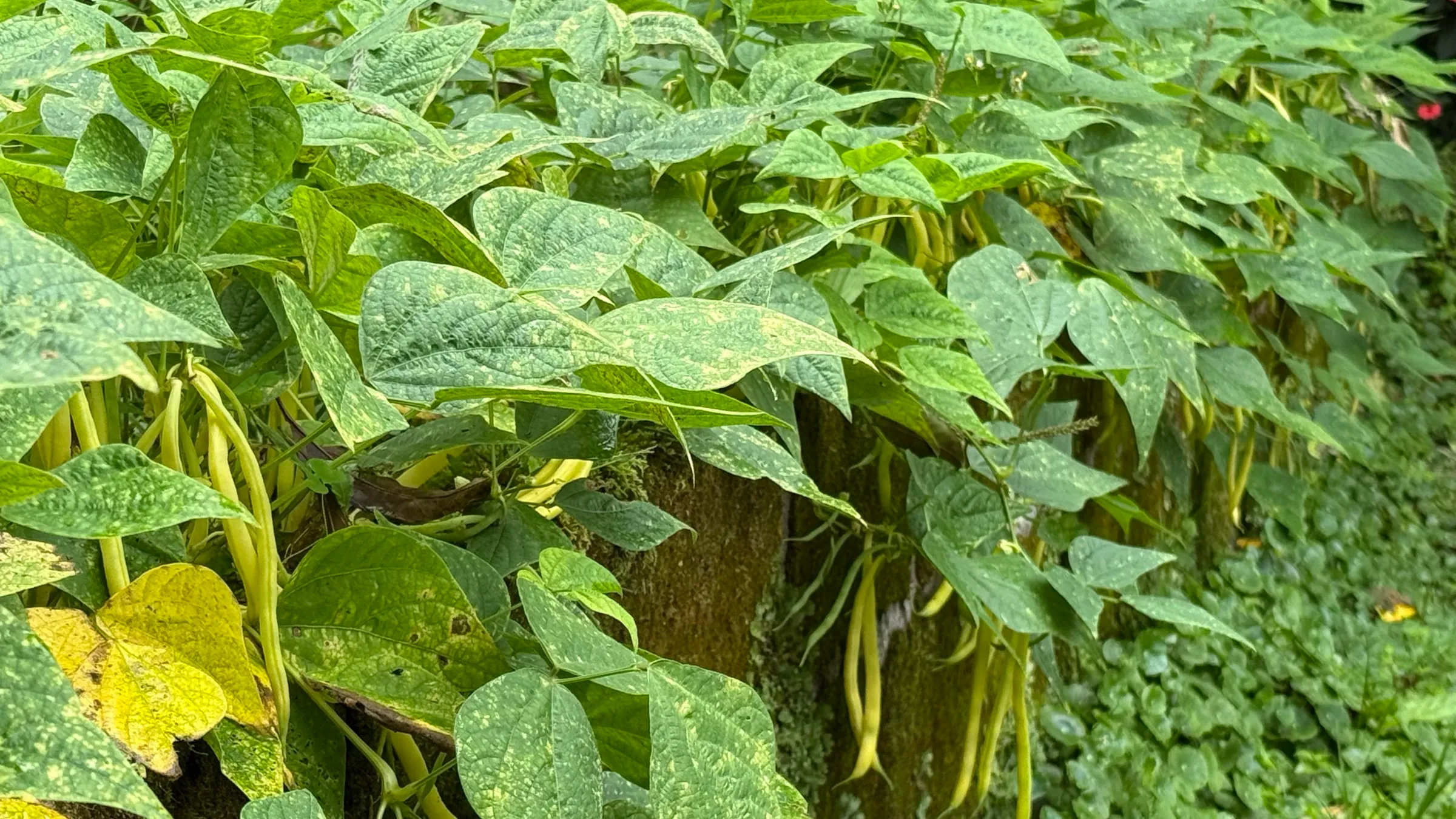
Yellow beans are grown exactly like green beans, with one practical advantage that’s far from negligible: their pale pods are much easier to spot among the foliage at picking time.
- Sow directly in warmed soil, at least 12 to 15 °C (54–59 °F), 2–3 cm deep; the seeds rot in cold, waterlogged earth.
- Bush or pole varieties. Bush wax beans form compact plants and give a concentrated harvest; pole varieties climb a support and produce for longer.
- No nitrogen feeding. Like all beans, they fix nitrogen from the air thanks to the bacteria in their root nodules; too much nitrogen favors foliage at the expense of pods.
- Regular watering, especially at flowering, always at the base and never on the foliage.
- Frequent picking. Harvested young, the pods stay tender and the plant keeps flowering; too big, they turn fibrous.
- The same enemies as the green bean — rust, anthracnose, black aphids — with crop rotation and good spacing as the best organic prevention.
Yellow Beans in Our Garden
Like its green cousin, the wax bean finds in the highlands of Central America the historic cradle of its species. Horqueta’s steady coolness spares it the heat spikes that make the flowers drop in the lowlands, but the humidity of the cloud forest calls for the same precautions: airy beds and well-spaced plants, bush or pole, so that air moves through the foliage. One practical detail we appreciate at harvest time: where you have to rummage through the leaves to find every green pod, the yellow ones show up at once — far fewer get missed, which encourages the plant to keep producing. Grown in alternation with green beans, it also spreads out the harvests and varies the colors in the basket.
Good Companions
- Corn and squash. The “three sisters” pairing works just as well with climbing varieties of wax bean.
- Cabbages and other brassicas, which benefit from the nitrogen the bean fixes.
- Savory, said to keep black aphids away and to make beans easier to digest on the plate.
- Potatoes, according to an often-cited traditional pairing: the bean is said to repel the Colorado potato beetle, and the potato certain bean pests.
- Marigold and nasturtium, to attract beneficial insects and act as trap plants.
Plants to Avoid
- Alliums (garlic, onion, leek, chives), reputed to hinder the bean’s nitrogen-fixing bacteria.
- Fennel, for its allelopathic effect.
- Green beans planted in a tight mix when saving seed. For eating there’s no problem, but if you want to harvest your own seed, it’s better to separate the varieties: crosses, though rare in beans, can blur their traits from one year to the next.
Good to Know
- Green beans and wax beans are the same plant. The only difference is a mutation that reduces chlorophyll in the pod, later fixed by selection.
- The pod is yellow, but the leaves stay green. The plant needs its chlorophyll for photosynthesis; only the pod goes without.
- In English it’s the “wax bean.” A reference to the waxy, glossy look of its pod, where French chose to evoke butter.
- There are purple beans too. Their color, due to anthocyanins, disappears in cooking: they turn green in the pan — a little magic that always delights children.
This article is © Wild on the Farm, Boquete Cloud Forest Lodge. All rights reserved — it may not be reproduced, republished, or redistributed without prior written permission. Read our full legal notice →