Nutritional Properties & Benefits
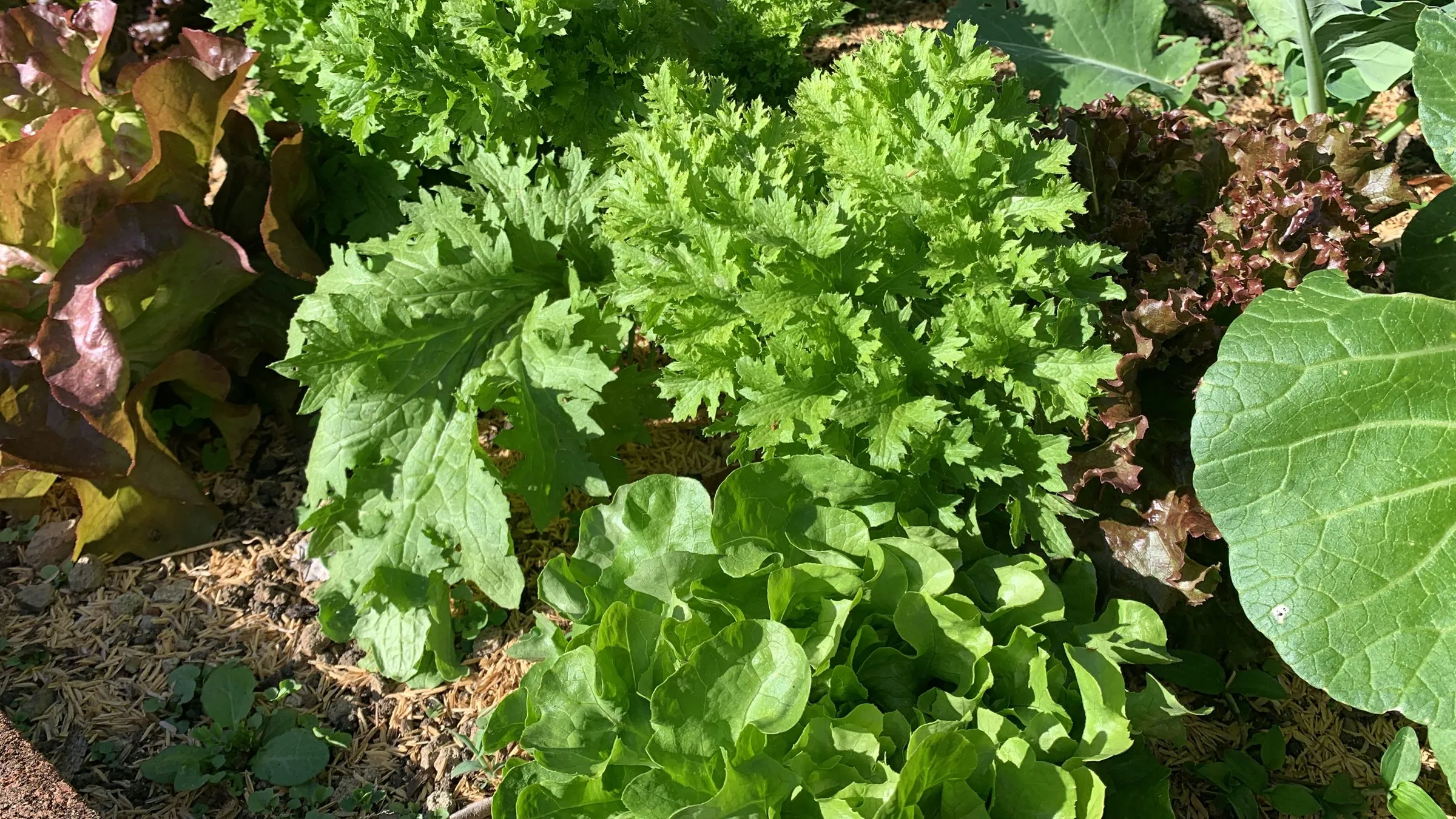
Wasabina (Brassica juncea) is a variety of Japanese mustard green, grown in Japan for centuries for its broad, bright green leaves with deeply cut edges. Like other mustard greens, it’s rich in vitamin C, vitamin K, and sulfur compounds called glucosinolates — in this case mainly sinigrin, which, when the leaf is chewed or cut and exposed to air, turns into allyl isothiocyanate, the compound responsible for its pungent flavor and the sensation of heat in the nose. It’s precisely this same chemical family, also found in horseradish and in true wasabi (Eutrema japonicum), that explains the similar taste of these three plants despite their fairly distant botanical relationship — wasabi and mustard both belong to the brassica family, but to quite distinct genera. Its Japanese name, which translates as “like wasabi,” is therefore a descriptive, commercial name rather than an indication of any real botanical kinship. Cooking markedly tones down its heat, since sinigrin and its derivatives are largely destroyed or driven off by heat — much as happens with horseradish or prepared mustard.
This information is for educational purposes only and reflects traditional and commonly documented uses of this plant. It is not medical advice and does not replace the guidance of a qualified healthcare professional. Always consult your doctor before using any plant medicinally, especially if pregnant, nursing, or taking medication.
How to Eat It
Raw, wasabina slips into composed salads, where its young leaves add a real peppery kick — to be used as sparingly as a very spicy arugula. Once cooked — quickly sautéed, or added at the end of cooking to a miso soup or broth — its flavor softens noticeably while keeping a characteristic edge, which makes it more approachable for anyone who finds the raw leaf too sharp. In Japan, mustard greens of this kind are traditionally made into quick pickles (a technique close to tsukemono), salted and then lightly fermented, which tames their heat while developing a pleasant acidity. Some cooks also use it as a fresh garnish for sushi and sashimi, as a nod to its name, when fresh wasabi isn’t available — a symbolic use more than a true substitute, since wasabina has neither the texture nor the exact intensity of grated wasabi root.
How to Grow It Organically
Wasabina is one of the easiest mustard greens to grow in the organic garden, with fast growth and good cold tolerance — its main requirement remains coolness.
- Easy, fast direct sowing. The seeds germinate in just a few days, and wasabina doesn’t need transplanting: sowing directly in place, about a centimeter deep, is plenty.
- A very short cycle — 30 to 45 days for young leaves. Harvest it early as “baby leaf” for salads, or later for larger leaves meant for cooking.
- Good heat tolerance for a brassica, with a slower tendency to bolt than most other mustards — a real asset compared with cousins in more of a hurry to flower.
- Cut-and-come-again harvesting. Take the outer leaves as needed, leaving the heart to produce new leaves for several weeks, rather than harvesting the whole plant at once.
- Regular watering to keep the leaves tender. A lack of water sharpens its heat and toughens its texture, while steady watering keeps the leaves supple and the flavor more balanced.
- Flea beetles, the main pest of mustards. These small beetles riddle young leaves with tiny holes; insect netting laid at sowing remains the best organic prevention.
Wasabina in Our Garden
The cool, stable climate of the cloud forest around Horqueta suits this Japanese mustard well: its relative heat tolerance — a real advantage at tropical latitudes — combines here with temperatures that almost never climb high enough to make it bolt too quickly. The region’s volcanic soils, rich in organic matter, support its fast, leafy growth, and its short cycle makes it an ideal crop to slot in between two longer harvests, or to sow continuously for a steady supply of peppery leaves. It’s also a simple way to add an unusual flavor to the garden, in a climate well suited to trying cool-climate Asian crops that are usually absent from tropical market stalls.
Good Companions
- Nasturtium. A classic trap crop for brassicas, it lures aphids and flea beetles away from the wasabina onto its own foliage.
- Dill and cilantro. These herbs attract predatory beneficial insects that help limit populations of mustard pests.
- Onion and chives. Their strong scent is thought to disrupt the scent-tracking of certain flying pests drawn to brassicas.
- Lettuce. Just as fast-growing, with similar water needs and no notable competition for space or nutrients.
- Celery. A good traditional companion in the organic garden, appreciated for coexisting without marked competition.
Plants to Avoid
- Other brassicas planted too close or crowded into the same bed — not because of direct chemical incompatibility, but because they share the same pests (flea beetles, caterpillars) and the same soil diseases; good rotation limits this buildup from one season to the next.
- Tomatoes and other nightshades, a pairing traditionally discouraged for brassicas in general, although evidence of direct incompatibility remains mostly empirical.
- Strawberries, for similar reasons, which come more from gardening practice than from rigorous scientific demonstration.
Good to Know
- Its name literally means “like wasabi” in Japanese, but it has no close botanical kinship with true wasabi (Eutrema japonicum) — the two plants belong to the same large brassica family, but to different genera, and their similar taste comes from shared chemistry rather than a common origin.
- True wasabi is notoriously difficult to grow, requiring cool running water and several years before its root is ready to harvest — which is why the vast majority of “wasabi” served outside Japan is actually horseradish dyed green. Wasabina, meanwhile, offers a related flavor in a few weeks, without any of those demands.
- The heat of wasabi, horseradish, and wasabina all rests on the same chemical mechanism: enzymes released when the plant is cut or chewed transform inactive sulfur compounds into volatile isothiocyanates, responsible for that sensation of heat that rises into the nose rather than staying in the mouth.
- The species Brassica juncea includes a wide diversity of mustards around the world, from Asian mustard greens to the seeds used for brown mustard — wasabina stands out for its especially broad leaves and deeply serrated leaf edges.
This article is © Wild on the Farm, Boquete Cloud Forest Lodge. All rights reserved — it may not be reproduced, republished, or redistributed without prior written permission. Read our full legal notice →